




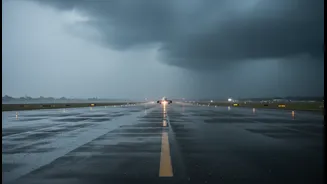



Understanding Delhi's Weather Challenges
Delhi's Indira Gandhi International Airport (DEL) contends with two primary weather adversaries: dense winter fog and severe monsoon conditions. While winter fog is notorious for causing widespread disruptions due to low visibility, the monsoon season,
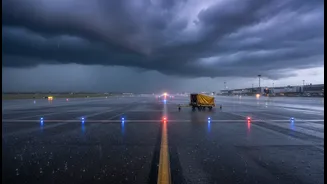
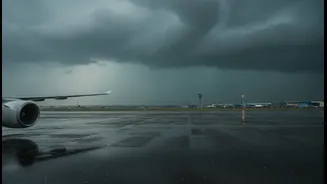
typically from July to September, presents its own set of challenges. Heavy rains, strong gusty winds, and thunderstorms can lead to sudden flight diversions, delays, and even cancellations, as seen recently with multiple airlines issuing advisories. Intense rainfall not only impacts visibility for pilots but can also lead to waterlogging on runways and surrounding roads, complicating travel to and from the airport.
Your Pre-Flight Weather Toolkit
Being forewarned is being forearmed. Don't rely on a single source for weather information. Start by consulting the official India Meteorological Department (IMD). The IMD issues detailed forecasts and colour-coded alerts (like Yellow, Orange, and Red) that indicate the severity of expected weather events. For today, July 9th, an Orange Alert is in effect for Delhi, warning of heavy rain. Several reliable weather apps and websites can supplement this by providing real-time precipitation maps and hourly forecasts. Cross-referencing a few sources in the days leading up to your flight will give you a clearer picture of potential disruptions.
Beyond the Forecast: Tracking Your Flight
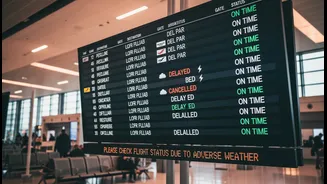
A good weather forecast is only half the battle. Your most crucial tool is real-time flight status information. Airlines consistently urge passengers to check their flight status before leaving for the airport during adverse weather. Do not assume your flight is on time just because you haven't received a notification. Visit your airline's official website or use their mobile app, which provides the most accurate and up-to-the-minute information. Additionally, the official Delhi Airport website (delhiairport.in) has a live flight tracker for all arrivals and departures. This simple check can save you a needless trip to a crowded terminal.
Know Your Rights During Disruptions
Panic often stems from uncertainty. Understanding your rights as a passenger, as outlined by the Directorate General of Civil Aviation (DGCA), can provide peace of mind. For cancellations or delays caused by 'extraordinary circumstances' like bad weather, airlines are not required to pay monetary compensation. However, their 'duty of care' obligations remain. For significant delays, this includes providing meals and refreshments. For very long or overnight delays, this extends to providing hotel accommodation and transfers. The airline must also offer you the option of a full refund or rebooking on an alternative flight. Knowing this allows you to calmly ask for what you're entitled to instead of getting into arguments.
The Proactive Traveller's Final Checklist
In the 24 hours before your flight, especially during a weather alert, take these steps. First, check the weather forecast and flight status one last time. Second, allow significantly more travel time to the airport; rain often causes severe traffic congestion. Third, ensure your phone is fully charged and consider carrying a power bank. Fourth, have your airline's contact number and social media handles (often a quick way to get information) saved. Finally, pack some patience. Weather disruptions are frustrating for everyone, including airline staff, and a calm demeanour will often get you better assistance.