








The Allure of the Giant Bargain
There's a certain thrill to buying in bulk. The per-unit cost is almost always lower, and it feels like a savvy financial move. It promises fewer trips to the store, a pantry stocked for any emergency, and even a nod to sustainability with less overall
packaging. This psychology of abundance is powerful; seeing a large quantity of a household staple can create a sense of security and smart planning. Retailers understand this, structuring volume discounts to encourage larger purchases. However, this rational thinking can be thrown out the window by psychological factors that drive us to buy more than we need, sometimes triggered by a feeling of being in 'survival mode'.
The Hidden Costs of 'Saving Money'
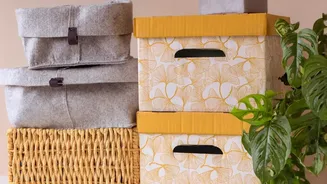
The initial sticker price of a bulk purchase can be high, putting a strain on a household's immediate cash flow. Beyond the upfront cost, there are other downsides. A huge supply of one item can lead to overuse, negating the cost savings. More critically, it creates a significant storage problem. Where does a 10-kilogram bag of rice or a case of 48 toilet paper rolls actually go? In a shared space, this can quickly lead to clutter and resentment. Perhaps the biggest risk is waste. Perishable items may expire before they can be used, and even non-perishables can fall victim to 'pantry blindness,' where they are forgotten at the back of a cupboard. What starts as a bargain can easily become expensive trash.
It's Not Just About Chips, It's About Communication
When you live with someone—a partner, a roommate, or family—unilateral decisions about shared resources can create friction. Money is a common source of stress in relationships, and differing spending habits can cause major disagreements. A surprise bulk purchase can feel like a disregard for the other person's space, budget, and preferences. The key is to talk about it beforehand. These conversations aren't about controlling each other but about creating a shared understanding and making decisions as a team. Healthy household finances depend on open communication, whether you're discussing a gigantic jar of pickles or how to split utility bills.
How to Create a Household Shopping Pact
To avoid future conflicts, establish some ground rules together. Start by having a calm, open conversation about finances and shopping habits. Creating a written roommate or household agreement can be a great resource to prevent arguments. This doesn't need to be a rigid legal contract, but a simple guideline posted on the fridge can work wonders. Agree on a list of shared expenses, which can include groceries and household supplies. Consider setting a price threshold for individual purchases that affect the household; for anything over that amount, a quick discussion is required. Using a shared digital spreadsheet or app can help track expenses and keep everyone on the same page. For groceries, you might agree to shop together or take turns, sticking to a pre-approved list.
Smarter Strategies for Stocking Up
Agreeing to avoid massive, spontaneous bulk buys doesn't mean you can't be smart shoppers. Planning weekly meals can help you create a precise shopping list, ensuring you only buy what you'll actually use. Many stores have bulk bin sections where you can buy the exact quantity you need of items like grains, nuts, and spices, which reduces both packaging waste and the risk of overbuying. For one-time large purchases like furniture or small appliances, decide ahead of time who will pay for it and who will get to keep it if you eventually part ways. The goal is to find a system that works for your specific household, balancing the desire for savings with the realities of your shared space and budget.