



Start by Finding the Right Tailor
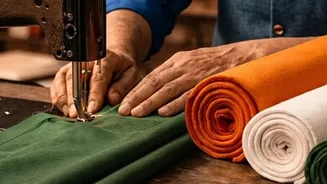
Before you can alter any clothing, you need a skilled professional you can trust. A good tailor or seamstress does more than just sew; they understand garment construction and how fabric drapes. Ask for recommendations from well-dressed friends or check
reviews for local dry cleaners and tailoring shops. For your first visit, consider bringing a simple item, like a pair of trousers that need hemming. This small job can help you evaluate their work and build a relationship before entrusting them with more complex or valuable pieces.
Prepare for Your Fitting
To get the best possible result, you need to prepare for your appointment. Always bring the shoes you intend to wear with the garment, as heel height dramatically affects the proper hem length for trousers and dresses. Similarly, wear the undergarments you plan to pair with the outfit, as they can change how the fabric sits on your body. Before you go, wash and dry any new items to account for potential shrinkage. Be ready to communicate what you want. If you're unsure how to describe the issue, just pointing out that the waist gaps or the sleeves feel too baggy is a great start.
Common Trouser Alterations
Trousers are one of the most frequently altered items. Hemming is the most common adjustment, ensuring your pants have the right 'break' over your shoes. Another transformative change is adjusting the waist and seat. If pants fit your hips but are loose at the waist, a tailor can take in the back seam for a snug fit. Tapering the leg is also a popular option, creating a slimmer silhouette from the knee down. This is particularly effective for updating older suit pants or jeans that feel too wide.
Perfecting a Dress
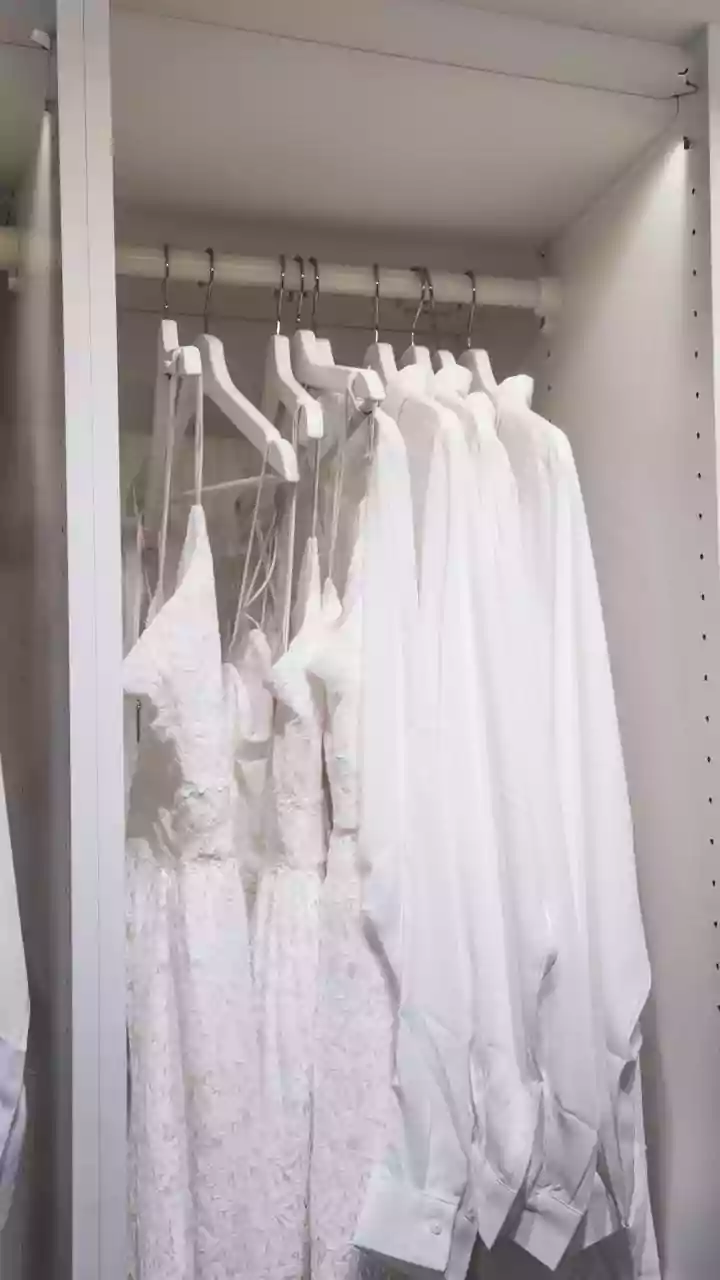
Dresses can be adjusted in several key areas. Hemming a dress to the most flattering length is a simple yet powerful change. Taking in the side seams or adding darts can eliminate bagginess around the waist and bust, creating a more defined shape without changing the overall style. Adjusting the straps or shoulders is another common fix that can correct a neckline that sits too low or armholes that gape. However, altering the shoulders of a garment can be complex and costly, so it's a change best reserved for items you truly love.
Getting the Right Fit in a Shirt
A well-fitting shirt can elevate your entire look. Shortening the sleeves is a frequent request; on a dress shirt, this usually involves removing and reattaching the cuff. If a shirt billows at the waist, a tailor can add darts to the back or take in the side seams for a trimmer, more modern fit. While shortening the body of a shirt is possible, it can be tricky. Removing too much length can throw off the button placement at the bottom. Slimming the sleeves is another high-impact alteration that prevents a 'blousy' look, especially in blazers and dress shirts.
Know When It's Worth the Cost
While alterations can work wonders, they are an investment. Consider the original cost and quality of the garment. It makes sense to spend money tailoring a high-quality, timeless piece that you'll wear for years, like a classic blazer or a formal gown. For inexpensive, fast-fashion items, extensive alterations may cost more than the garment itself. Ultimately, the decision comes down to value. If an alteration will make you feel confident and extend the life of a beloved piece of clothing, it is often money well spent.