




Upgrade to Airtight Containers
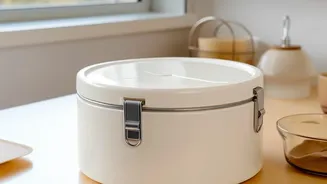
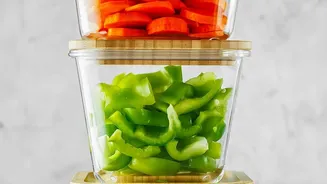
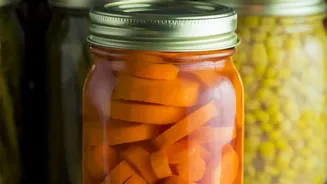
Humidity is the number one enemy of dry goods during the monsoon. Items like flour, rice, dals, spices, and even biscuits absorb ambient moisture, which leads to clumping, mould, and pest infestations. The single most effective step is to transfer these
staples from their original bags into genuinely airtight containers, preferably made of glass or high-quality steel with secure lids. This barrier is crucial for preventing spoilage. Do this before the humidity climbs, not after you've already discovered a problem. For items like atta (wheat flour), which spoil very quickly in humid weather, this step is non-negotiable.
Buy Less, More Often
While buying in bulk might seem economical, it’s a risky strategy during the monsoon. A large stock of flour or rice is more likely to spoil before you can use it all. Instead, adjust your shopping habits to buy smaller quantities that will last for about two to three weeks. This ensures that your ingredients are always fresh and reduces the window for moisture and pests to cause damage. This is especially important for fresh produce like fruits and vegetables, which have a much shorter shelf life in high humidity.
Master Your Vegetable Storage
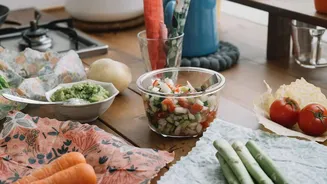
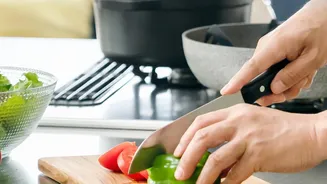
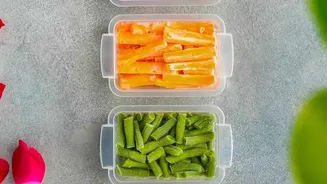
Fresh produce is particularly vulnerable to the damp monsoon air. A key rule is to avoid washing fruits and vegetables before storing them, as this adds excess moisture that accelerates decay. Instead, wipe them with a dry cloth and wash them just before use. Wrap leafy greens in paper towels or newspaper before placing them in the fridge; the paper absorbs extra moisture. Store items like onions, potatoes, and garlic in a cool, dry, and airy place away from other vegetables. Proper refrigeration is key for most perishables, so ensure your fridge is set at or below 4°C to slow bacterial growth.
Use Natural Repellents and Absorbers
Traditional Indian kitchen wisdom offers many effective, natural solutions. Placing a few dried bay leaves, cloves, or dried neem leaves inside containers of rice and pulses acts as a natural pest deterrent. These ingredients create a second line of defence against weevils and other insects without affecting the taste of your food. You can also place small, cloth-wrapped pieces of charcoal or sachets of activated charcoal in your pantry shelves to absorb ambient humidity in the storage space. For salt and sugar jars, adding a few grains of uncooked rice can help prevent clumping by absorbing moisture.
Keep Your Kitchen Dry and Ventilated
Managing the environment in your kitchen is just as important as how you store your food. Ensure your pantry and cabinets are well-ventilated to prevent damp air from stagnating. If possible, allow sunlight and fresh air to circulate on dry days. A simple but crucial habit is to always use a completely dry spoon when scooping out spices, flour, or sugar. Avoid opening containers directly over a steaming pot, as the rising steam can introduce moisture and lead to spoilage. Regular cleaning of surfaces with a vinegar solution or antibacterial spray also helps prevent mould and mildew growth.
Adopt the First-In, First-Out (FIFO) Method
Good organization can significantly cut down on waste. The 'First-In, First-Out' principle is simple: arrange your pantry and refrigerator so that older items are at the front and new purchases are placed at the back. This ensures you use up food before it has a chance to expire or spoil. Keeping storage areas organized also helps you see what you have at a glance, preventing you from buying duplicates and allowing you to spot any signs of spoilage early.