




As India's aviation sector prepares for a major overhaul, passengers should brace for significant changes. Starting January 1, 2027, the new Bharatiya Vayuyan Niyam will replace decades-old rules, impacting everything from booking to boarding.
Full Fare Transparency is Mandatory
One of the
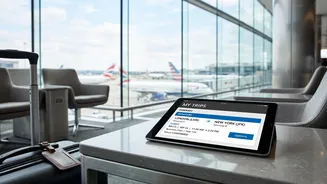
most significant changes is the mandate for complete fare transparency. Airlines will be required to display the total ticket price upfront, with a clear and itemised breakdown of all charges. This must include the base fare, government taxes, airline fees, and, crucially, any applicable cancellation charges and refund conditions. This move aims to eliminate the frustration of discovering hidden costs at the final payment stage, allowing passengers to see the actual cost before completing a booking. While airlines retain the freedom to set prices based on market demand, this transparency empowers you to make more informed comparisons.
Government Power to Intervene in Pricing
The new framework grants the Central Government the authority to intervene in airline ticket pricing during 'extraordinary situations' to protect the public interest. This power, under Rule 192 of the Bharatiya Vayuyan Niyam, 2026, allows for temporary, proportionate directions to be issued to airlines. However, the rules do not define what constitutes an 'extraordinary situation', leaving it to the government's discretion. This does not mean a routine cap on airfares. Airlines will continue to determine their pricing under normal circumstances, but the government now has a legal mechanism to step in during crises or periods of extreme price hikes.
Enhanced Passenger Rights and Refunds
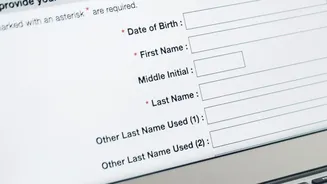
Recent updates, which will be consolidated under the 2027 framework, have significantly strengthened passenger rights. A key provision is the 48-hour 'look-in' window, which allows passengers to cancel or make changes to their booking without penalty, provided the flight's departure is at least seven days away for domestic travel. This applies to tickets booked directly on the airline's website. Furthermore, minor name spelling errors can be corrected free of charge within 24 hours of booking. Refund timelines have also been made stricter; airlines must process credit card refunds within seven days and those from travel agents within 14 working days, without levying extra processing fees.
Compensation for Delays and Cancellations
Airlines are now subject to clearer compensation rules for disruptions they cause. If a flight is cancelled or significantly delayed, passengers may be entitled to compensation ranging from Rs 5,000 to Rs 20,000, depending on the flight distance and length of the delay. Importantly, airlines can no longer force passengers to accept a travel voucher or credit shell instead of a cash refund for cancelled flights. Passengers have the right to choose their preferred refund method. These rules, however, do not apply in cases of 'force majeure' events like severe weather or air traffic control restrictions.
The Continued Expansion of Digi Yatra
While Digi Yatra remains optional, its expansion is a key feature of modernising Indian airports. The facial recognition system, designed for seamless, paperless transit through airport checkpoints, is already active at dozens of airports and is expected to be available at 64 by March 2027. Passengers register on the app using their Aadhaar details to create a digital travel credential. Though there were earlier talks of it becoming mandatory, for now, manual security lanes remain fully operational for those who opt out. The system currently only works for domestic flights. Its growing presence means passengers should familiarise themselves with the service for potentially faster airport processing.
Standardised Rules for Seating and Baggage
To address common passenger grievances, regulations introduced in 2026 brought more clarity to seating and baggage policies, which will continue under the new 2027 rules. Airlines must now make at least 60% of their seats available for selection free of charge. The rules also aim to ensure that families or groups travelling on a single booking are seated together without being split up. For special items like sports equipment or musical instruments, airlines are required to publish their carriage policies clearly and upfront, rather than hiding them in fine print. This allows travellers to understand all potential costs and rules before booking their ticket.