

The End of Single-Purpose Rooms
The traditional concept of a home, with each room serving a single, rigid function, is rapidly becoming a thing of the past. The living room was for receiving guests, the dining room for eating, and the bedroom for sleeping. Today, driven by the rise
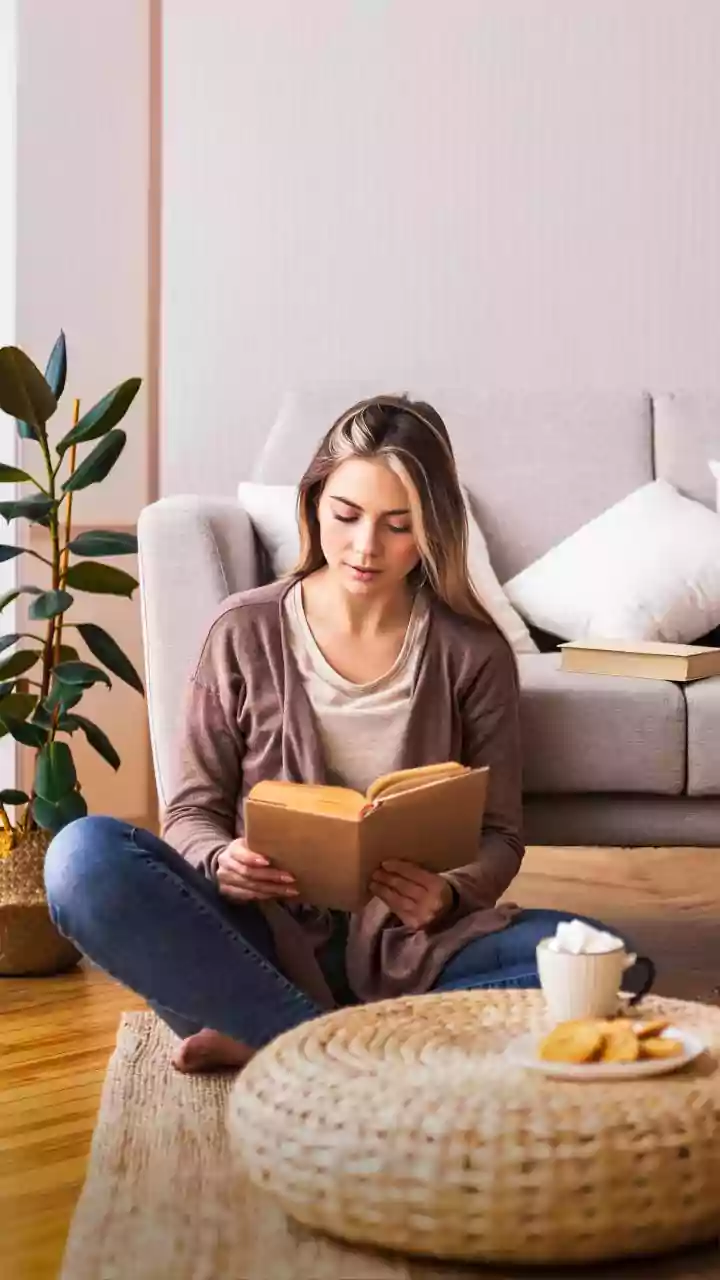
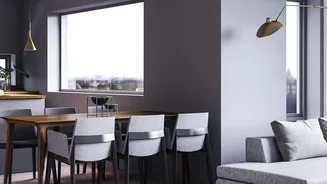
of remote work and the realities of modern urban living, our homes must work harder. This shift was the central theme at The Den's 2026 comeback, where designers showcased spaces that effortlessly transition between work, leisure, and family life. Instead of walls, designers are now using visual cues like area rugs, distinct lighting schemes, or modular shelving to create different 'zones' within a single open-plan area. A living area can now seamlessly contain a workspace that disappears when the workday is done, or a quiet corner for reading that can be integrated back into the social space when hosting friends. This approach maximizes every square foot, a crucial consideration in compact city apartments.
Furniture That Works Overtime
The hero of the multi-use space is undoubtedly adaptable furniture. At The Den, the focus was on pieces that are both beautiful and incredibly functional. Think coffee tables that lift to become work desks, sleek daybeds that transform into comfortable guest beds, and modular sofas that can be reconfigured for a movie night or a formal gathering. In the Indian context, this trend merges modern innovation with traditional needs for hospitality. Collapsible desks, nesting tables, and expandable dining tables are no longer just for small spaces; they are smart solutions for anyone wanting a home that can change with their needs. Storage, too, is getting a clever makeover. Ottomans with hidden compartments, sleek wall-mounted cabinets that take advantage of vertical space, and built-in window benches with storage underneath help keep clutter at bay, which is essential for a space that needs to feel both productive and peaceful.
A Focus on Comfort and Calm
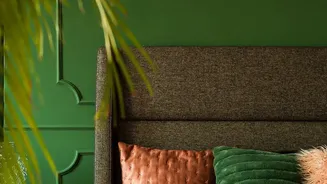
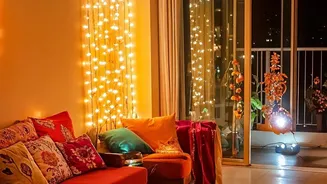
A space that serves many purposes could easily feel chaotic, but the 2026 trend counters this with a strong emphasis on creating a calm, relaxing atmosphere. This is where the 'relaxed' part of the trend comes in. It’s achieved through a carefully considered palette of materials, colours, and lighting. Designers are moving away from stark minimalism towards what's being called 'cozy minimalism'. This involves using warm neutrals, earthy tones like terracotta and muted greens, and natural textures such as wood, linen, and boucle fabrics. These elements create a soothing, grounded environment that feels personal and inviting. Lighting is layered to support different functions—bright overhead for work, and soft, ambient lamps to signal relaxation time. The goal is to design spaces that not only work efficiently but also enhance our well-being.
Smarter Homes for a Fluid Lifestyle
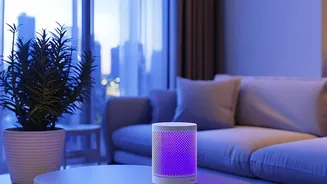
Technology is the invisible enabler of these fluid spaces. The best tech integrations are those you barely notice, but that significantly enhance a room's adaptability. This includes everything from wireless charging pads built directly into side tables to circadian lighting systems that adjust their brightness and colour temperature throughout the day to support your natural rhythm. With more people working from home, there's also a greater focus on creating tech-ready environments with seamless high-speed internet, good acoustics for video calls, and smart ventilation systems. The home of 2026 is not just a smart home in terms of gadgets; it's smart in its very design, anticipating the needs of its inhabitants and transforming to meet them.