







Triple-Check Tickets and Timings
Booking tickets well in advance is standard advice, but confirming them is just as critical. For trains, ensure your PNR status is 'Confirmed' (CNF) and not 'Waitlisted' (WL), as rules may prohibit waitlisted passengers from boarding sleeper or AC coaches.
Check the final reservation chart, which is typically prepared a few hours before departure, for any last-minute seat allocations. For flights, check in online 24 to 48 hours beforehand to secure your seats. Keep a digital and physical copy of all tickets. Also, monitor your flight or train status for any delays or schedule changes, which are common during the festive rush.
Know Your Luggage Limits
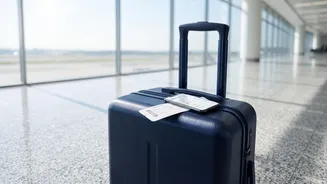
Airlines and Indian Railways have specific baggage allowances that are strictly enforced during peak season. For most domestic flights, the check-in allowance for economy class is typically 15 kg, with cabin baggage limited to one bag of around 7 kg. For trains, the free allowance varies by class, but oversized baggage may need to be booked separately in the brake van. Given that Diwali travel often involves carrying gifts and sweets, weigh your bags at home to avoid paying hefty excess baggage fees at the airport or station. Remember to never pack flammable items like firecrackers, kerosene, or gas cylinders, as they are strictly prohibited on both trains and flights for safety reasons.
Plan for Peak Rush at Terminals
Airports and railway stations become incredibly crowded during the days leading up to and following Diwali. Passenger traffic can increase by 30-50%, leading to long queues for check-in, security, and boarding. Plan to arrive at the airport at least 2.5 hours before a domestic flight and at the railway station 60-90 minutes before departure. This extra time is crucial, especially when travelling with children or elderly family members. To manage crowds, major stations often set up holding areas to regulate passenger flow onto platforms. Be prepared for a slower-than-usual journey through the terminal.
Confirm Health and Safety Guidelines
While pandemic-era restrictions have eased, it is always wise to check for any current health advisories from airlines or railways before you travel. Carry a basic medical kit with essentials like sanitiser, masks (especially for crowded areas), pain relievers, and any personal medications. If travelling with children, pack their necessary items, snacks, and distractions to keep them comfortable and occupied. It's also a good practice to have your own water bottles and pre-packed food, as onboard services can be stretched thin and station vendors might be overwhelmed during the festive period.
Arrange Your Onward Journey
Your travel doesn't end when you deboard. Arranging for transport from the destination airport or station is a crucial final step. The demand for taxis and ride-hailing services skyrockets during Diwali, leading to long waits and surge pricing. Pre-booking a cab or coordinating with family for a pickup can save you a lot of time and stress after a long journey. Many airports now have designated zones for app-based cabs, but these areas can also get congested. Having a confirmed ride waiting for you is one of the best ways to ensure a smooth transition from the terminal to your family's doorstep.
Special Care for Kids and Seniors
Travelling with a multi-generational family requires extra foresight. Keep identification details for every member handy. For children, it's useful to have a note with their name and your contact number in their pocket. Dress everyone in comfortable clothing and shoes suitable for long periods of standing or walking. Pack a small 'go-bag' with essentials like water, snacks, wet wipes, a portable charger, and any required medicines that you can easily access without having to open your main luggage. The chaos of festive travel can be disorienting, so keeping your family's immediate needs within reach makes the journey much more manageable.