





A Sky Full of Ambition
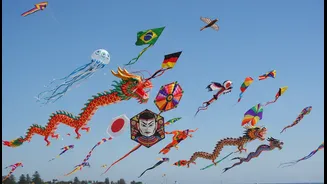
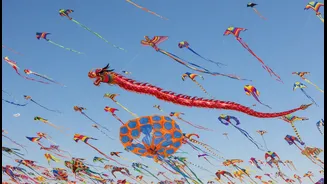
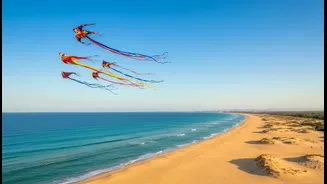
The Tamil Nadu International Kite Festival (TNIKF) has quickly become a highlight on the state's cultural calendar. First launched in 2022, the event transforms the shoreline near Mahabalipuram into a vibrant spectacle. For four days, typically around
the Independence Day long weekend in August, hundreds of kites from teams across the globe fill the air. These aren't your everyday kites; they are massive, professionally crafted creations in every imaginable shape, flying alongside evening LED kite shows, DJ performances, and cultural events. Organized by Global Media Box in collaboration with the state's Department of Tourism, the festival's clear ambition from day one was to put Tamil Nadu on the international kite festival map.
More Than Just a Festival
While the festival is a resounding success in its own right, attracting thousands of visitors and families, its true significance lies beyond the four-day event. It serves as a highly visible case study for a much broader economic vision: leveraging Tamil Nadu's vast coastal assets for event-driven tourism. Officials have noted that for too long, the state’s tourism narrative was confined to its incredible temple circuits and heritage sites. Events like the TNIKF are a deliberate pivot, designed to showcase a different side of the state and create new reasons for tourists to visit. The goal is to move beyond marketing existing attractions and towards creating new ones that generate buzz and economic activity.
Unlocking the Coastal Corridor
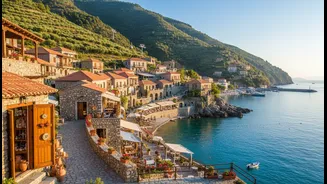
With 1,076 kilometres of coastline, the second longest in India, Tamil Nadu's coast has been described by officials as a largely untapped resource. The state's Tourism Policy 2023 is heavily focused on changing this. The strategy involves identifying new locations along the coast for development, creating fresh opportunities for tourism beyond the usual circuits. This includes plans for coastal trails, adventure sports hubs, eco-friendly resorts, and even developing ferry circuits to connect towns like Nagapattinam and Rameswaram. The kite festival, strategically placed on the East Coast Road, is a perfect anchor for this strategy, drawing attention and investment to the region.
The Economics of Experience
The business logic is compelling. Event-based tourism creates a concentrated economic injection into local communities. The direct benefits are obvious: ticket sales, hotel bookings, and spending at food stalls and local shops. But the indirect impact is even more significant. Festivals enhance a region's brand, making it a more attractive destination for future travel and investment. They create seasonal employment and provide a platform for local artisans and performers. State officials have highlighted that tourism already contributes significantly to Tamil Nadu's GSDP, and a focus on high-impact events is seen as a key driver for future growth, with plans to generate tens of thousands of jobs through new tourism projects.
Mahabalipuram: The Perfect Microcosm
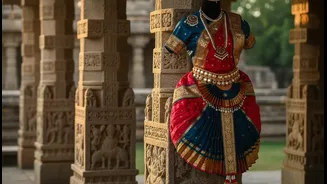
There is no better place to see this strategy in action than Mahabalipuram. A UNESCO World Heritage site, it already possesses world-famous monuments like the Shore Temple and the Five Rathas. By hosting the kite festival here, the tourism department masterfully blends the ancient with the contemporary. Visitors drawn by the festival are exposed to the area's rich history, while those coming for the heritage sites discover a modern, dynamic event. The state has further committed to enhancing this synergy, announcing a ₹100 crore investment to develop infrastructure and tourism amenities in Mahabalipuram, turning it into a model for how heritage and modern event tourism can coexist and amplify each other.