






A Step Away from the Screen
After years of life moving increasingly online, a shift is underway. Young Indians are actively seeking authentic, real-world connections, and they're finding them on foot. This isn't about rejecting technology, but about balancing it. The rise of walking
clubs in cities like Delhi, Mumbai, and Bengaluru signals a growing desire for experiences that are both physically and socially nourishing. Following the pandemic, which heightened awareness around both mental and physical health, many are re-evaluating their priorities. The intense, often intimidating, atmosphere of a traditional gym is being swapped for the low-pressure, inclusive environment of a group walk in a park or a scenic neighbourhood.
More Than a Workout
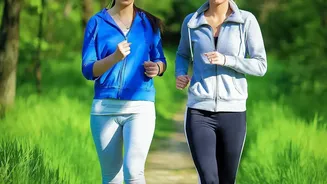
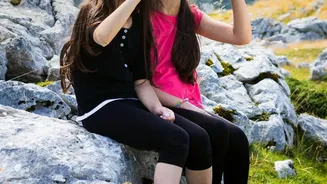
While the physical benefits of walking are well-known, the primary driver of this trend is the sense of community. For many young professionals and students, especially those who have migrated to new cities for work or education, these clubs are an antidote to loneliness. They offer a relaxed setting to meet like-minded people without the expectations that come with typical nightlife or dating apps. Groups like 'City Girls Who Walk Delhi' have created safe, supportive spaces for women to socialise, explore their city, and build friendships. The conversation flows as freely as the walk, covering everything from career advice to personal stories, creating bonds that extend well beyond the walking trail.
Rediscovering the City on Foot
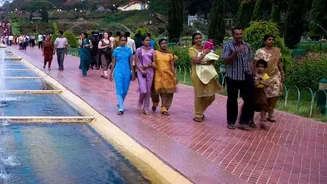
These walking groups are also turning into a form of urban exploration. Members are rediscovering their own cities, from the historical monuments of Delhi to the green trails of Bengaluru and the seaside promenades of Mumbai. It’s a chance to notice the architectural details, find hidden cafes, and experience the city's pulse in a way that’s impossible from inside a car. Groups often choose a new location for each walk, transforming a simple fitness activity into a micro-adventure. This element of discovery adds a layer of excitement and keeps people coming back, eager to see where their feet will take them next. It’s a simple reminder that there’s always something new to see, even in a familiar place.
Accessible and Inclusive Fitness
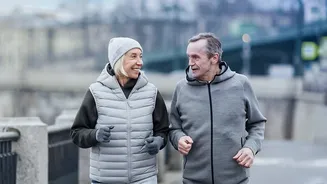
A major part of the appeal is accessibility. Walking requires no expensive membership or specialised equipment, just a comfortable pair of shoes. It's a low-impact exercise that's gentle on the joints and suitable for various fitness levels, making it a truly inclusive activity. Unlike competitive sports or high-intensity training, the focus is on participation, not performance. This has democratised fitness, making it less about achieving a certain body type and more about the holistic benefits of movement, fresh air, and social connection. The emphasis is on overall well-being, where mental and social health are just as important as physical health.
Finding Your Stride
Joining the movement is straightforward. Many of these clubs are organised informally through social media platforms like Instagram and messaging apps, with details of the next walk shared a few days in advance. Platforms like Meetup also list numerous walking groups in major cities, catering to different interests, from brisk morning walks to leisurely heritage trails. Most groups are free to join and have a spontaneous, welcoming vibe. For those tired of the socialising status quo and looking for a healthier, more meaningful way to connect, the answer might just be a walk in the park.