



Understanding the Grand Feast
The Onam festival culminates with Thiruvonam, which in 2026 falls on August 26. This day is marked by the Onasadhya, a magnificent vegetarian banquet that symbolises prosperity and honours the return of the mythical King Mahabali. Traditionally, a Sadhya
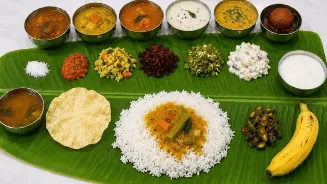
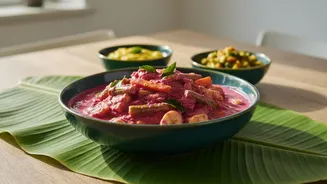
can feature over 26 dishes, a balanced culinary experience incorporating sweet, salty, sour, spicy, and bitter flavours. Served on a banana leaf, it's not just a meal but a cultural ritual. The idea of preparing so many dishes can be intimidating, but the key is not to replicate a professional spread, but to capture its spirit with a curated, manageable menu.
Plan Your Manageable Menu
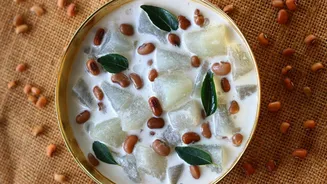
Instead of aiming for all 26-plus items, focus on a core selection that provides a complete Sadhya experience. A balanced home Sadhya can be built around 10 to 12 key dishes. Start with the essentials: steamed Kerala Matta rice is the centerpiece. For the main curries, plan for Parippu (a simple dal with ghee), Sambar, and a tangy Rasam. Then, choose a few signature side dishes. Aviyal, a mix of vegetables in a coconut-yogurt sauce, is considered a must-have. Add a Thoran (a dry vegetable stir-fry with coconut), a Pachadi or Kichadi (yogurt-based dishes), and perhaps Olan (a mild curry with ash gourd in coconut milk). Don't forget a sweet finish with a simple Payasam (like Pal Payasam, a rice kheer). This selection ensures a variety of textures and flavours without overwhelming the home cook.
The Power of Pre-Preparation
The secret to a stress-free Sadhya is planning and prepping in advance. A day or two before, you can tackle several tasks. All the vegetables can be chopped and stored in airtight containers; grate coconut and keep it refrigerated or frozen. Some dishes, like Inji Puli (a sweet and sour ginger pickle) and other pickles, actually taste better when made ahead. You can also prepare the base for some curries. For instance, you can boil the dal for your Sambar and Parippu curry and refrigerate it. Frying the Pappadams a day in advance and storing them in an airtight container is another time-saver. This leaves only the final cooking and assembly for Thiruvonam day.
A Game Plan for Onam Day
On the day of the feast, start early and work strategically. Begin with the dishes that take the longest to cook or can be gently reheated, such as Sambar and Kalan if you're making one. While they simmer, you can prepare the quicker dishes. A thoran comes together fast, as do yogurt-based dishes like pachadi and kichadi. Aviyal is best made fresh on the day of the sadya to retain the texture of the vegetables. The rice should be cooked last to ensure it is served hot. A clever hack is to do all your tempering in one batch. Heat coconut oil, splutter mustard seeds, curry leaves, and dried red chillies, and then distribute this aromatic mixture across the various dishes that require it.
The Art of Serving
Serving the Sadhya is a tradition in itself. The banana leaf is placed with its narrow end pointing to the left of the guest. Serving starts from the top left. This is where you place the accompaniments: a pinch of salt, banana chips (upperi), jaggery-coated chips (sharkara varatti), and pickles like inji puli and mango pickle. The main vegetable dishes like Aviyal, Thoran, and Kootu Curry are served on the top half of the leaf. The bottom half is reserved for the rice, which is served in the centre. The liquid curries—Parippu with ghee, then Sambar, and later Rasam—are poured over the rice in courses. The meal concludes with Payasam, which is often served directly on the leaf.