
Why Autumn is Sohra’s Secret Season
While Sohra (also known as Cherrapunji) is famous for its record-breaking monsoon, the post-monsoon period from October to November offers a unique and arguably more comfortable travel window. During autumn, the relentless rains recede, leaving behind
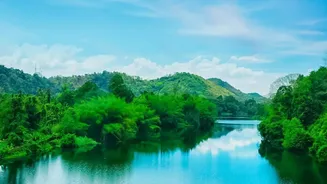
a landscape that is intensely lush and green. The weather becomes pleasantly cool, perfect for trekking and sightseeing without the constant downpour. Waterfalls, still fed by the heavy rains, are majestic and full-flowing. Crucially, the tourist crowds thin out, allowing for a more serene experience. You get the best of both worlds: the dramatic, rain-fed beauty of the region with clearer skies and safer, drier trails for exploration.
Chasing Sohra’s Majestic Waterfalls
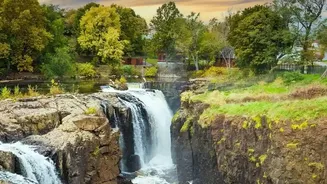
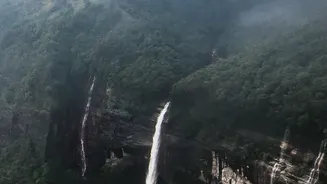
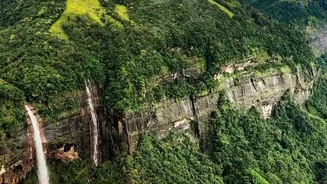
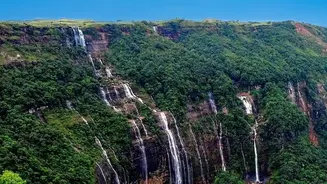
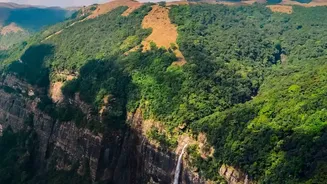
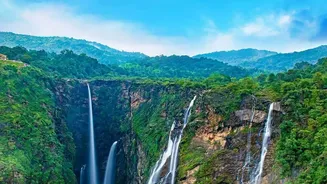
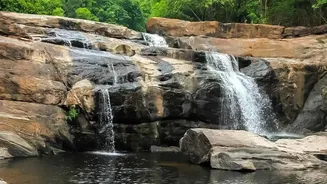
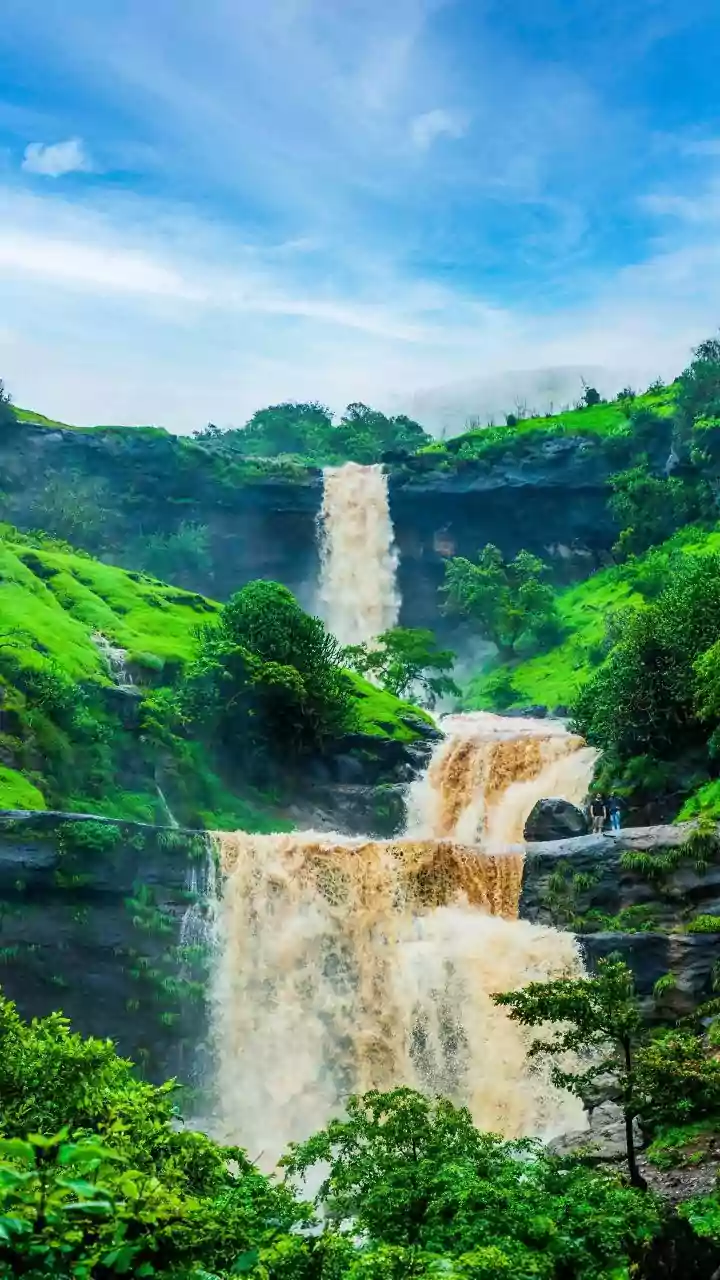
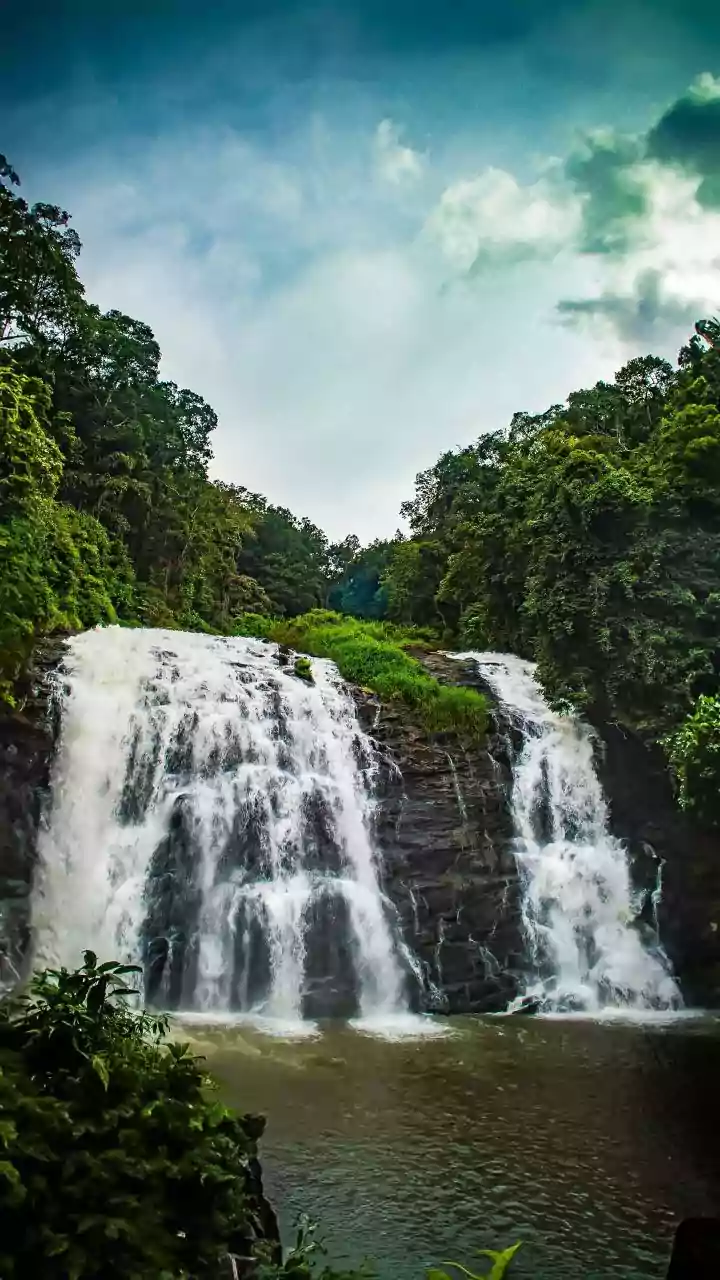
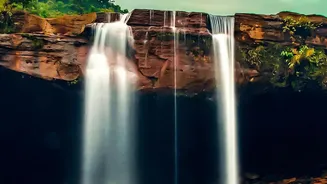
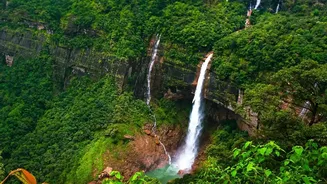
Sohra is a land of liquid legends, and its waterfalls are at their most photogenic in autumn. Topping the list is Nohkalikai Falls, India's tallest plunge waterfall, which cascades 340 metres into a stunning turquoise-green pool. The tragic Khasi legend behind its name, which translates to "Jump of Ka Likai," adds a layer of poignant history to its grandeur. Another must-see is the Nohsngithiang Falls, famously known as the Seven Sisters Falls, a seven-segmented cascade that creates a spectacular panorama. Dainthlen Falls, with its wide, rocky expanse, offers a different but equally dramatic vista, tied to another local legend of a battle against a giant serpent. In autumn, the reduced fog means you are more likely to get the clear, sweeping views often obscured during the monsoon.
The Trek to the Living Root Bridges
No trip to Meghalaya is complete without witnessing the astonishing living root bridges, a marvel of bio-engineering perfected by the Khasi and Jaintia tribes over centuries. These bridges are not built but grown, by guiding the aerial roots of the Ficus elastica (rubber fig) tree across rivers and streams. The most iconic of these is the Jinkieng Nongriat, or the Double Decker Living Root Bridge, located in the remote village of Nongriat. Reaching it requires a challenging but deeply rewarding trek of approximately 3,500-3,600 steps down into a valley from the starting point in Tyrna village. The journey takes about 4-6 hours for a round trip. Autumn is the ideal season for this adventure, as the stone steps are less slippery and the weather is far more forgiving than during the rainy season.
Exploring Caves and Valleys
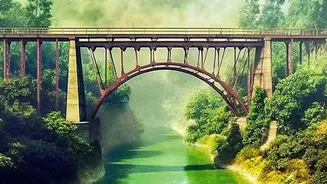
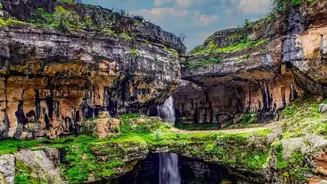
Beyond the waterfalls and root bridges, Sohra’s limestone geology has created a fascinating subterranean world. Mawsmai Cave is the most accessible of these, with a well-lit path that takes you through impressive stalactite and stalagmite formations. For the more adventurous, the Arwah Caves offer a more rugged experience, where you can spot fossils embedded in the limestone walls with the help of a local guide. For breathtaking panoramic views, head to the Mawkdok Dympep Valley Viewpoint on the road from Shillong, where a bridge spans a dramatic gorge often filled with swirling clouds. The Eco Park in Sohra also provides splendid views of the surrounding hills and, on a clear day, the plains of Bangladesh.
Your Sohra Travel Blueprint
Planning your autumn trip is straightforward. The nearest major airport is in Guwahati, Assam (150 km away), from where you can hire a private taxi or take a shared sumo to Sohra, a journey of about 4-5 hours. Alternatively, you can fly to Shillong (54 km away) and take a 2-hour cab ride. Accommodation in and around Sohra ranges from resorts to a wide variety of homestays, which offer an authentic Khasi experience. Staying in Nongriat village is an option for those who want to be close to the Double Decker bridge. Pack layers—light clothing for pleasant days and a warm jacket for chilly evenings. While the monsoon has passed, carrying a light raincoat or umbrella for unexpected showers is always wise.