








The Paradox of Plenty
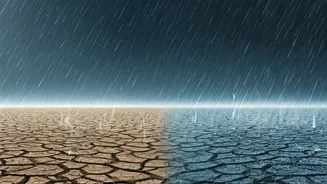
It seems contradictory to talk about saving water when it's pouring outside. However, for urban India, this is a critical misunderstanding. Most monsoon rainwater in cities doesn't replenish our water supply. Instead, it becomes runoff, flowing over concrete
surfaces, picking up pollutants, and overwhelming drainage systems before rushing into the sea. This is why cities can experience floods and water scarcity simultaneously. Erratic rainfall patterns, worsened by climate change, mean we can no longer depend on a steady monsoon to fill our reservoirs. A delayed or weak monsoon, as seen in recent years, can leave major city reservoirs dangerously low, leading to water cuts even before summer peaks. The monsoon period, which provides about 75% of India's annual rainfall, is not a time for complacency; it is the single most important window to capture water for the dry months ahead.
Rainwater Harvesting: Your First Step
Rainwater harvesting (RWH) is the most direct way to reset your water habits. It doesn't have to be a complex or expensive process. It can be as simple as placing barrels or drums under downpipes to collect water for non-potable uses. This collected water is perfect for flushing toilets, washing vehicles, mopping floors, and watering plants. For a 100-square-meter roof, a single monsoon can yield over 200,000 litres of water in a city like Mumbai. For those in apartments or with more space, installing a more formal system with filters that directs water to a storage sump or a recharge pit is a powerful move. Recharge pits allow water to percolate slowly into the ground, replenishing depleted groundwater tables—a critical issue for cities like Bengaluru and Delhi, which are predicted to face severe groundwater shortages. Many municipalities now mandate or offer incentives for RWH, making it an economically and environmentally sound choice.
Reset Your Indoor Habits
Even with rain lashing outside, your indoor water consumption matters. The habits you maintain during the monsoon are the ones that will stick through the dry season. Start with the basics: fix all leaks immediately. A single dripping tap can waste thousands of litres a year. Turn off the tap while brushing your teeth or scrubbing dishes. Opt for a bucket bath over a long shower; a shower can use over seven litres per minute, while a bucket uses a fixed, smaller amount. When using washing machines or dishwashers, wait for a full load. Another significant source of water is the reject water from RO purifiers. Instead of letting it go down the drain, collect it. This water can be used for mopping floors or cleaning bathrooms, saving an equivalent amount of fresh water.
Smarter Outdoor and Garden Care
The monsoon demands a complete shift in how we manage water outdoors. The most obvious change is to stop watering your garden and potted plants. Let the rain do the work. If you have a sprinkler system, turn it off for the season. Watering plants when it's already raining is a sheer waste. Similarly, avoid the habit of washing cars, balconies, or driveways with a hose. If cleaning is necessary, use the rainwater you've collected. This not only saves precious treated water but also prevents soapy, polluted runoff from entering storm drains. Directing any excess runoff from paved areas towards garden patches or unpaved ground can also help with natural groundwater recharge. These simple adjustments reduce the strain on municipal water supplies, which often struggle to treat water effectively during periods of heavy rainfall due to increased turbidity and contamination.