



The Monsoon's Double-Edged Sword
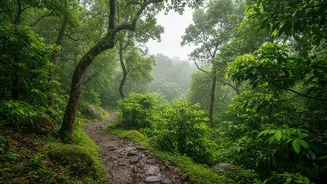
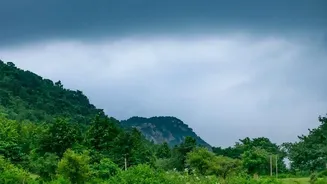
Visiting a wildlife sanctuary between June and October is a trade-off. The pros are undeniable: the forests are incredibly lush, washed clean of summer dust, and the air is fresh. Landscapes turn a vibrant green, offering stunning photographic opportunities.
With fewer tourists, the experience is often more peaceful and intimate. However, the monsoon also brings challenges. Heavy rains can make forest tracks slippery, muddy, and sometimes impassable. Rivers and streams can swell, potentially cutting off access to certain areas. This is why many national parks implement seasonal closures—not to spoil the fun, but to ensure visitor safety and allow the forest ecosystem and its inhabitants an undisturbed breeding season.
Understanding Core vs. Buffer Zones
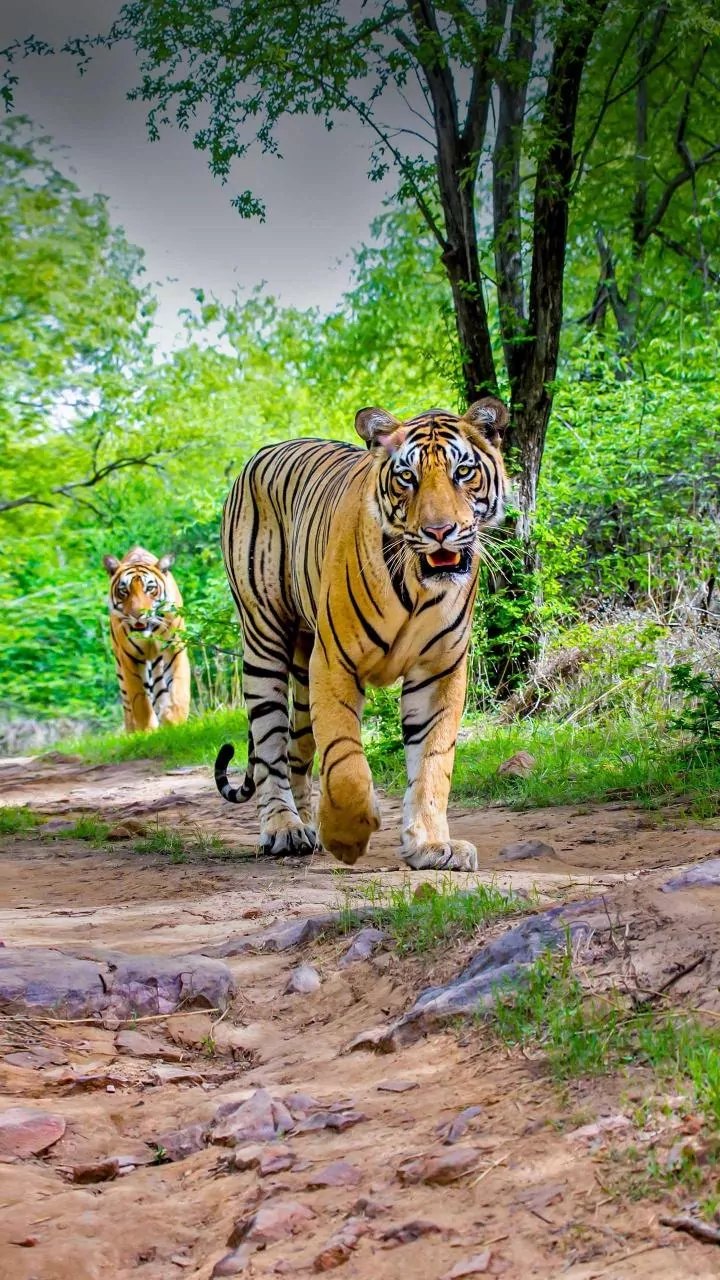
To plan a monsoon safari, you must understand how parks are structured. Most major tiger reserves in India are divided into a 'core' area and a 'buffer' area. The core zone is the central, most protected part of the park, considered a critical habitat for wildlife with minimal human interference allowed. These core zones are almost always closed to tourism during the monsoon, typically from early July to late September or mid-October. The buffer zone is the area surrounding the core. It acts as a transitional space between the pristine forest and human settlements. Wildlife, including tigers, does not recognise these man-made boundaries and moves freely between them. Crucially, many of these buffer zones remain open for safaris year-round, offering a fantastic alternative when the core is inaccessible.
How to Check Official Zone Status
This is the most critical part of your planning. Do not rely on old travel blogs or generic information. The status of different zones can change based on weather conditions and local administrative decisions. Your primary source should always be the official park website. For example, Corbett Tiger Reserve has an official portal for bookings and announcements. Similarly, state forest departments, like that of Madhya Pradesh, operate centralised booking sites. These official sources will provide the most accurate, up-to-date information on which zones are open, safari timings, and booking procedures. Be wary of unauthorized third-party booking sites, which may have outdated information or engage in scams. Always verify with the official source before making any payments.
Parks Offering Monsoon Safaris
While many famous parks like Kaziranga and Gir close completely, several others offer monsoon access through their buffer zones. In Rajasthan, Ranthambore National Park keeps zones 6 through 10 open for safaris. In Uttarakhand, Jim Corbett National Park allows visitors into its Jhirna, Dhela, and Garjiya zones. In Madhya Pradesh, the buffer areas of parks like Bandhavgarh, Kanha, and Pench often remain operational. Maharashtra’s Tadoba Andhari Tiger Reserve is famous for its productive buffer zone safaris. Down south, parks in Karnataka like Nagarhole (Kabini) and Bandipur often operate year-round, weather permitting. Periyar National Park in Kerala is another destination that remains open and is particularly beautiful during the rains.
Beyond the Safari: Essential Monsoon Tips
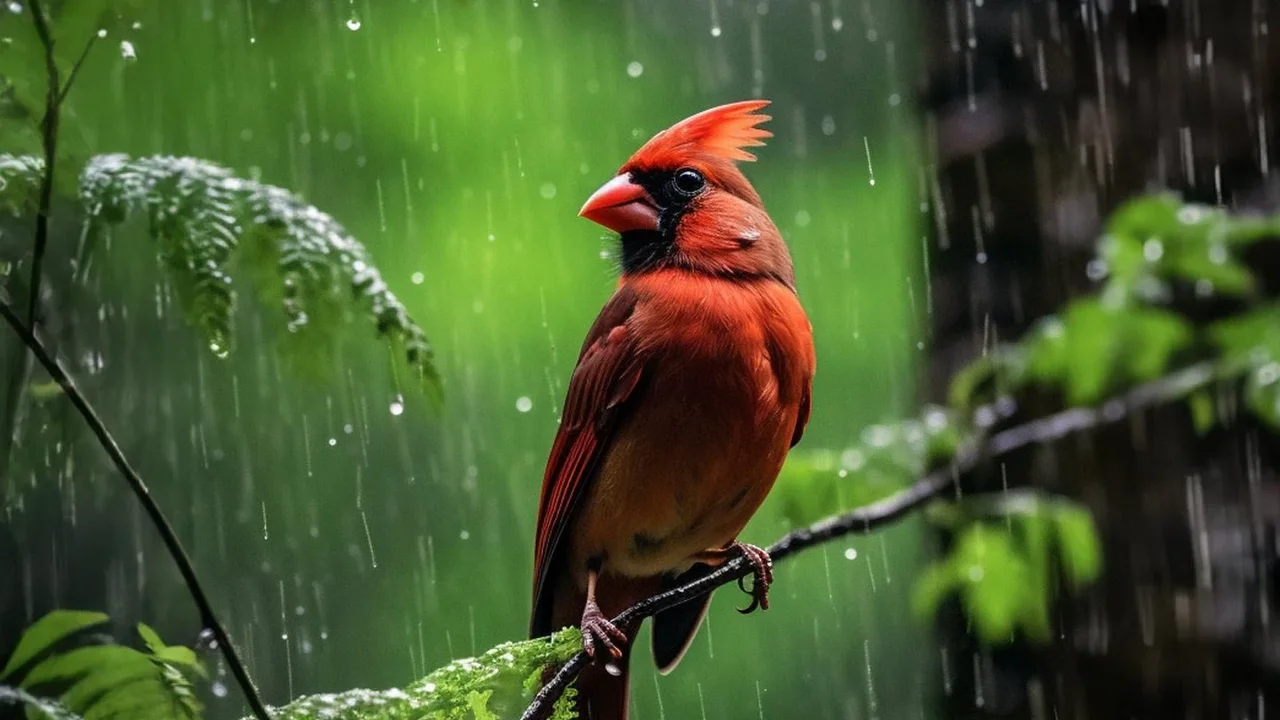
A successful monsoon wildlife trip requires more than just a safari booking. Check road conditions leading to the park, as heavy rains can cause landslides or blockages, especially in hilly areas. Pack appropriately with waterproof jackets, quick-dry clothing, and protective footwear. Leeches can be common, so leech socks are a wise addition. Protect your camera and electronic gear with waterproof bags. Most importantly, be flexible. A safari might be cancelled or delayed due to a sudden downpour. Embrace the unpredictability; sometimes, the best moments come from simply sitting on a veranda, sipping chai, and watching the rain transform the jungle into a vibrant, living paradise.