







Know the Current Weather Situation
The monsoon season can be unpredictable, with conditions changing rapidly. As of late August 2026, the India Meteorological Department (IMD) has active warnings for several regions. For instance, an orange alert for very heavy rainfall has been issued
for parts of Madhya Pradesh. Heavy rainfall is also expected in states like Uttarakhand, Himachal Pradesh, Odisha, and parts of the Northeast. This kind of intense weather can lead to flash floods and landslides, particularly in hilly and coastal areas, making travel hazardous. Before you even consider a destination, it's crucial to understand the broader weather patterns affecting the country.
Your First Stop: Official Weather Forecasts
Your most reliable source for weather information is the India Meteorological Department (IMD). Its official website, Mausam, provides detailed, district-wise forecasts, colour-coded warnings (like red or orange alerts), and updates on cyclonic circulations or low-pressure areas. Pay close attention to these advisories, as they can indicate the potential for severe weather that could disrupt travel plans. The IMD also issues specific bulletins on flash flood risks, which are critical for anyone planning to travel near rivers or in mountainous terrain. Never rely on generic weather apps alone; always cross-reference with official IMD alerts for the most accurate information.
Assessing Road and Route Safety
A clear weather forecast at your destination is only half the battle; the journey itself needs to be safe. Monsoon rains can cause waterlogging, road closures, and landslides, especially on national highways and ghat roads. Driving becomes more dangerous due to slippery surfaces and poor visibility. For information on major routes, check with the National Highways Authority of India (NHAI). For local and state roads, the websites and social media accounts of state-level traffic police are invaluable resources. It's also wise to avoid driving at night in hilly areas, as the risk of falling rocks and poor visibility increases significantly.
Choose Your Destination Wisely
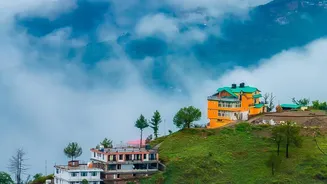
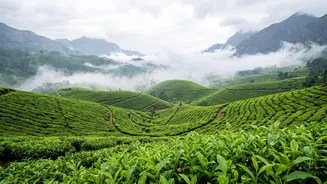
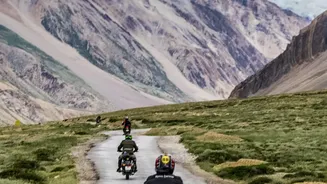
Not all destinations are created equal during the monsoon. While places like Lonavala, Munnar, and Coorg are popular for their lush greenery, they are also in regions that can experience intense rainfall and associated risks. Hilly regions in Himachal Pradesh, Uttarakhand, and parts of the Northeast are often prone to landslides. Conversely, some areas like Ladakh or parts of Rajasthan receive much less rainfall and can be safer alternatives if you want to travel during this time. Research your intended destination thoroughly, paying attention to its specific monsoon risks. Some sources provide lists of safer monsoon destinations vetted for factors like road stability and low landslide risk.
On-the-Ground Intelligence and Packing
Before and during your trip, gather local intelligence. Call your hotel or resort ahead of time to ask about current road conditions and any local disruptions. Local news outlets can also provide real-time updates on a very specific area. When packing, prioritise practicality. Include waterproof bags for electronics and documents, quick-drying clothes, and appropriate non-slip footwear. A first-aid kit with essentials like antiseptics, bandages, and insect repellent is non-negotiable, as the moist conditions can increase the risk of infections and mosquito-borne illnesses. Finally, always carry a fully charged power bank, as power cuts can be common.