



Why Monsoon Is A High-Risk Season
The rainy season dramatically increases moisture in the air. High humidity accelerates food spoilage and provides an ideal environment for harmful microbes like bacteria and fungi to thrive. This dampness affects everything from fresh produce to dry goods,
increasing the risk of foodborne illnesses like gastroenteritis, cholera, and diarrhoea. The Food Safety and Standards Authority of India (FSSAI) regularly issues advisories during this period, highlighting that the risk of food contamination and disease rises significantly with the rains. Therefore, being extra vigilant about kitchen hygiene isn't just good practice; it's a necessity for staying healthy.
Handle Produce with Extra Care
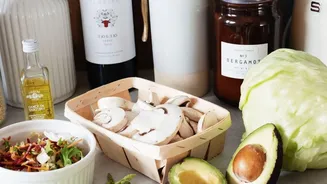
Vegetables, especially leafy greens like spinach and cabbage, can harbour dirt, worms, and microbes hidden within their layers, a problem that worsens during the monsoon. It is crucial to wash all produce thoroughly. A common and effective method is to soak vegetables and fruits in a bowl of water with a tablespoon of salt or a splash of white vinegar for about 10-15 minutes. This helps dislodge germs and even small insects. After soaking, rinse them again under clean, running water. For vegetables with complex layers like cabbage, it's advisable to separate the leaves before cleaning to ensure every part is washed properly.
Combat Moisture in Dry Goods
Humidity is the enemy of dry goods like flour (atta), grains, pulses, spices, and biscuits. It causes them to clump, lose their freshness, and become breeding grounds for mould. The most important step is to store these items in clean, dry, and airtight containers immediately after purchase. Never leave them in their original paper or plastic bags. Avoid topping up old stock with a new batch; finish the old one first, clean the container, and then refill. For extra protection, you can add natural moisture absorbers like a few bay leaves or dried neem leaves to your grain containers.
Mastering Meat and Seafood Safety
Meat, poultry, and fish are highly perishable and require strict handling, especially in humid weather. Always buy these from reputable vendors who maintain proper refrigeration. Once home, store them in the freezer or the coldest part of your refrigerator immediately. To prevent cross-contamination, which is a major cause of food poisoning, keep raw meat separate from all other foods. Use a dedicated cutting board for raw meat and another one for vegetables. Wash your hands, the cutting board, and any knives or utensils with hot, soapy water immediately after handling raw meat.
Keep Your Kitchen Surfaces and Tools Dry
Damp surfaces in the kitchen are a haven for bacteria. Regularly wipe down countertops, shelves, and your stovetop with a clean, dry cloth. Pay special attention to wooden cutting boards and utensils, as wood can retain moisture. It's best to use plastic or glass cutting boards during this season, but if you use wooden ones, ensure they are completely dry before storing. Also, clean your refrigerator frequently. Spills and condensation can lead to mould growth inside, compromising the safety of all the food you store in it. A weekly wipe-down can make a huge difference.
Cook, Serve, and Store Food Wisely
Eating freshly cooked food is always the safest bet during the monsoon. Heat kills most harmful germs. Avoid raw foods like salads unless you've prepared them at home with properly washed ingredients. If you have leftovers, refrigerate them promptly in airtight containers, ideally within two hours of cooking. High humidity can make food go bad quickly even at room temperature. When you are ready to eat leftovers, make sure to reheat them thoroughly until they are steaming hot to eliminate any bacteria that might have developed.