

The Challenge of the Traditional Thali
For generations, the Indian meal has been a lovingly prepared, elaborate affair. A typical thali, with its multiple components of dal, sabzi, roti, and rice, is a testament to culinary dedication but often demands hours in the kitchen. In today's fast-paced
world of dual-income households, long commutes, and demanding careers, this traditional approach is becoming a source of daily pressure. The choice often boils down to either spending precious evening hours cooking or resorting to ordering in, which brings concerns about health and expense. This has created a clear need for a middle path: food that is both quick to prepare and genuinely nourishing.
Redefining 'Quick' and 'Healthy'
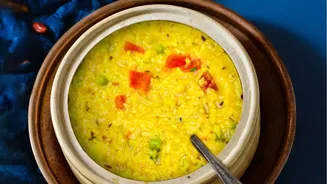
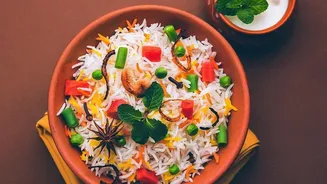
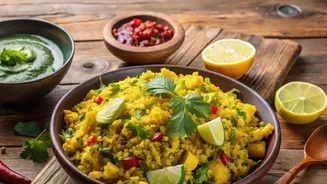
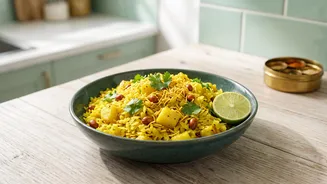
The 30-minute meal trend directly challenges the old notion that 'fast' food is unhealthy and 'healthy' food is time-consuming. This new direction is not about shortcuts that compromise on nutrition but about smart, efficient cooking. It centres on one-pot meals like khichdi or pulao, quick stir-fries, and simple dals that are ready in the time it takes to freshen up after work. Dishes like paneer bhurji or a spinach and chickpea curry can be cooked in under 20 minutes, offering a balanced mix of protein, fibre, and essential nutrients without the long hours of simmering or grinding. The focus is on maximizing flavour and nutrition while minimizing time and cleanup.
The Modern Indian Pantry
This cooking style is powered by a well-stocked, modern pantry. Quick-cooking dals like masoor and moong are staples, as they don't require lengthy soaking. Whole grains such as quinoa, millets, and brown rice are increasingly preferred over white rice for their added fibre and nutrients. Having pre-chopped or frozen vegetables, ready-to-use ginger-garlic paste, and quality paneer can dramatically cut down prep time. These ingredients form the backbone of a kitchen strategy where a healthy, home-cooked meal is never more than half an hour away. The shift is towards ingredients that are both convenient and wholesome.
Smarter Meal Prep, Not Longer Hours
The secret to successful 30-minute cooking often lies in a bit of planning, a concept known as meal prep. This doesn't mean cooking all your meals for the week at once. For Indian cooking, meal prep can be as simple as batch-prepping base gravies like an onion-tomato masala over the weekend. Other strategies include chopping vegetables for the next two to three days, pre-soaking lentils, or making a large batch of dal that can be seasoned differently each day with a fresh tadka. This approach of preparing components in advance allows for a full meal to be assembled in minutes on a busy weeknight, removing the daily decision fatigue and stress.
More Than Just Saving Time
Adopting the 30-minute meal philosophy offers benefits that extend far beyond the kitchen. For many, it's a powerful tool for stress reduction, freeing up evenings for family, relaxation, or other pursuits. It puts you in complete control of your food, allowing you to manage oil, salt, and sugar intake—something that's impossible with restaurant food. This shift towards mindful, home-cooked meals supports better health outcomes, from improved digestion to better nutrient absorption. Ultimately, it brings back the joy of eating 'ghar ka khaana' without the associated exhaustion, fostering a more balanced and sustainable modern lifestyle.