

The Foundation: Protein First
The secret to a satisfying, high-protein vegetarian lunch isn't just about adding a side of dal; it's about building your meal around a primary protein source. While paneer is a fantastic option, the world of vegetarian protein is vast and versatile.
Think beyond the block and consider integrating sources like chickpeas, kidney beans (rajma), black-eyed peas (lobia), tofu, and soya chunks into the core of your meal. A typical Indian diet can sometimes fall short of the required protein intake, but deliberate planning can easily close this gap. The goal is to make protein the star of your lunchbox, ensuring you stay full and energised through the afternoon.
Embrace the World of Legumes
Lentils and legumes are the undisputed champions of the Indian vegetarian pantry. A simple bowl of cooked dal offers a significant protein boost, with varieties like moong, masoor, and toor dal providing around 9 grams of protein per cooked 100 grams. But their use extends far beyond the traditional dal tadka. Use whole lentils to create hearty soups, turn chickpeas (chana) into a spicy sundal or a filling for wraps, or sprout moong beans for a crunchy, protein-rich salad that's easy to digest. Even besan (gram flour), made from chana dal, can be used to whip up savoury pancakes called cheelas, which can be stuffed with paneer or vegetables for a complete meal.
Unlock Protein in Grains and Seeds
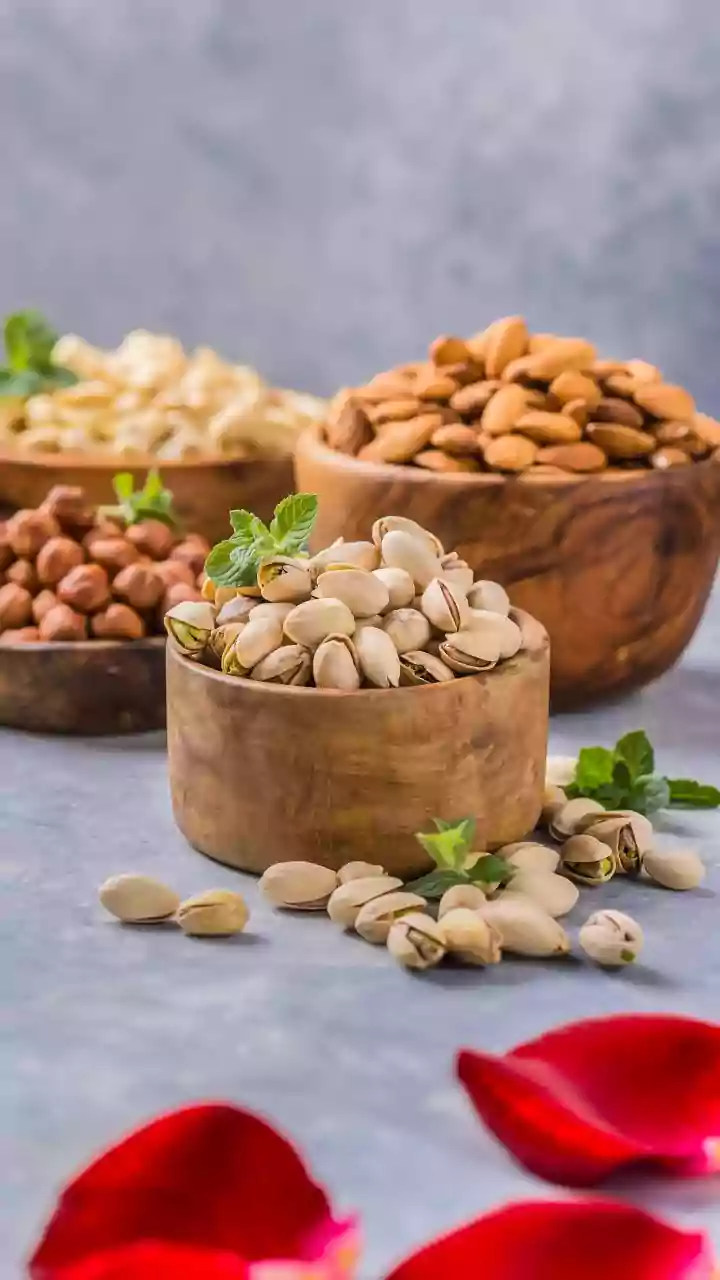
Your grain choices matter. While rice and roti are staples, incorporating high-protein grains and seeds can dramatically increase your meal's nutritional value. Quinoa, technically a seed, is a complete protein and can be used to make a delicious vegetable pulao. Millets like bajra and ancient grains like amaranth (rajgira) are also excellent choices that add texture and nutrients. Don't underestimate the power of seeds. Sprinkling a tablespoon of pumpkin, sunflower, or chia seeds over your curd, salad, or even sabzi is an effortless way to add a few extra grams of protein, healthy fats, and fibre.
The Modern Indian Lunch Bowl
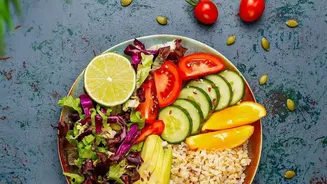
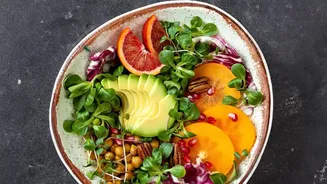
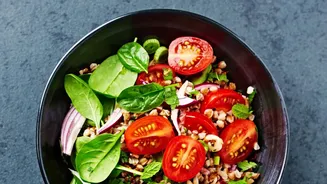
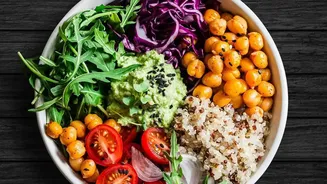
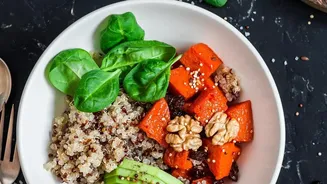
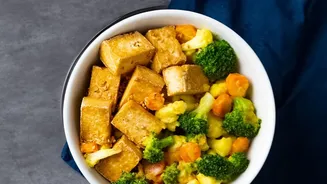
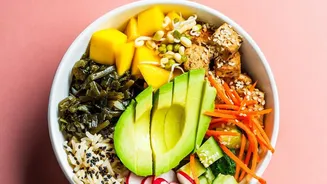
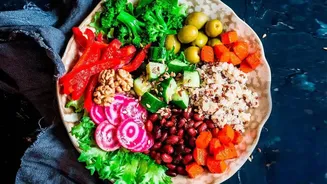
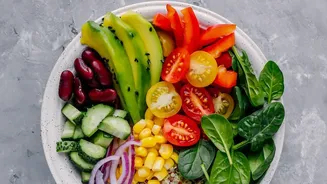
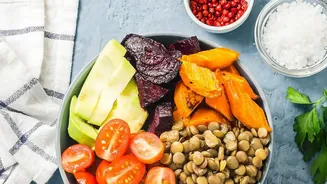
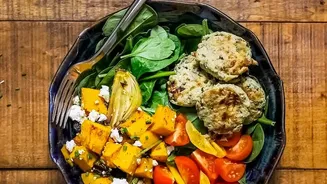
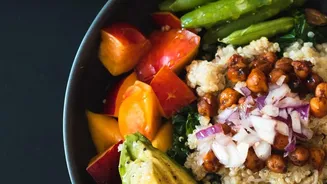
For a truly customisable and portable lunch, embrace the concept of the grain bowl. This format is perfect for meal prepping and ensures a balanced meal. Start with a base of a high-protein grain like quinoa or millets. Add a generous portion of your main protein, such as spiced rajma, chana masala, or crumbled tofu bhurji. Fill the rest of the bowl with roasted or fresh vegetables like bell peppers, broccoli, and sweet potatoes. Top it all off with a dollop of thick curd or a sprinkle of toasted peanuts for extra flavour, texture, and another layer of protein. This approach keeps lunches interesting and nutritionally complete.
Go Beyond the Roti-Sabzi
A standard roti-sabzi is a classic comfort meal, but it can be reimagined for a bigger protein impact. Use whole wheat roti or a besan chilla as a wrap. Fill it with a high-protein filling like soya keema, a mash of black beans and corn, or spicy paneer bhurji. This turns a simple meal into a convenient, all-in-one lunch that's easy to eat on the go. Another strategy is to incorporate protein directly into your flatbreads by making paneer parathas or sattu-stuffed rotis. Sattu, a flour made from roasted gram, is a protein powerhouse popular in several regions and an excellent addition to your diet.