


Why Monsoon is a Paw Problem
The magic of the monsoon—the petrichor, the cool breeze, the lush greenery—also brings a less magical element: constant dampness. For our pets, this means their paws are frequently wet from walks on drenched grass and muddy paths. These warm, moist conditions,
especially in the crevices between their toes, create an ideal breeding ground for fungi and bacteria. The skin on paws, which is naturally home to small amounts of yeast, can suddenly see an overgrowth of these organisms, leading to infections. This is particularly true for long-haired breeds, where fur between the toes can trap even more moisture. This combination of wetness and warmth is why many pet parents notice their dogs excessively licking their paws and see redness appear as soon as the rains set in.
Spotting the Early Warning Signs
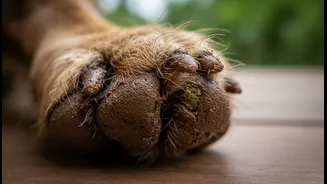
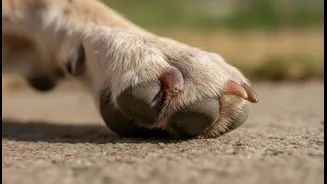
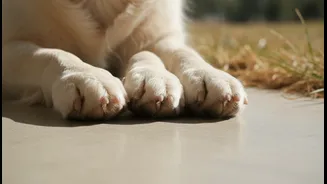
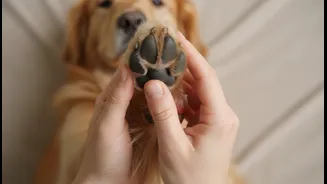
Fungal issues can escalate if not caught early. The first sign is often a change in your pet's behaviour. Pay close attention if you notice them persistently licking, chewing, or biting at their paws. This is a tell-tale sign of itching and discomfort. Upon closer inspection, you might see the skin between their toes or on their paw pads looking pink or red. Other early signs include slight swelling, flaky skin, or a faint, musty odour often described as smelling like 'corn chips'. In the initial stages, your pet may not be in severe pain, but they will be uncomfortable. Acting on these early symptoms can prevent the condition from worsening into painful sores, hair loss, or secondary bacterial infections.
A 4-Step Home Care Routine
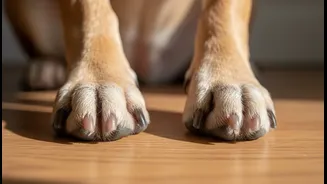
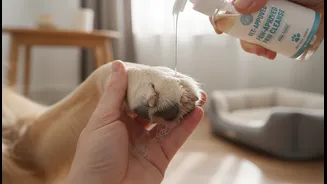
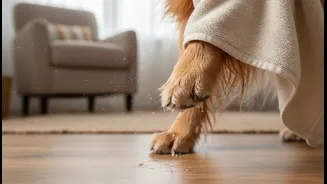
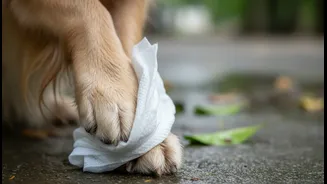
For mild, early-stage redness, a consistent home care routine can manage the issue and provide relief. The absolute non-negotiable rule is to keep paws clean and dry. First, after every single walk, gently rinse your pet’s paws with lukewarm water to remove mud and potential irritants. Second, and most critically, dry them thoroughly. Use a soft, absorbent towel and pay special attention to the area between the toes. For thick-coated dogs, a hairdryer on a low, cool setting can be a great help. Third, consider a gentle, diluted antiseptic soak a few times a week. A solution of povidone-iodine diluted with water to the colour of weak iced tea is an effective option recommended by vets for its gentle antiseptic properties. Alternatively, a 1:1 mix of apple cider vinegar and water can help balance the skin's pH. Soak the paws for 3-5 minutes, then pat dry without rinsing. Fourth, keep the fur between the paw pads trimmed short to improve air circulation and prevent moisture from getting trapped.
What You Should Never Do
When trying to help your pet, it's crucial not to make things worse. Never use human antifungal creams, medicated powders, or ointments unless specifically instructed by your veterinarian. Products made for humans can have ingredients that are toxic if licked by your dog. Avoid using harsh soaps, detergents, or undiluted chemicals, which can strip the skin of its natural oils and worsen irritation. Also, do not use apple cider vinegar or any other soak on paws that have open sores, cuts, or broken skin, as it can cause significant pain. Most importantly, do not ignore the problem. Persistent licking is a clear sign of an underlying issue that needs to be addressed, not just a bad habit.
When to Call the Veterinarian
Home care is for early, mild cases only. You must consult a veterinarian if you notice any of the following red flags. If the redness worsens or doesn't improve after a few days of diligent home care, it's time for a professional opinion. Seek immediate veterinary help if you see open sores, blisters, pus-filled lesions, or if there is a foul odour coming from the paws. Limping, reluctance to walk, or showing signs of pain when you touch the paw are also serious indicators that professional treatment is needed. A vet can accurately diagnose the issue—distinguishing between fungal, bacterial, or allergic causes—and prescribe the necessary medicated shampoos, topical treatments, or oral medications to resolve the infection safely and effectively.