


The Humble Hero: What is Sattu?
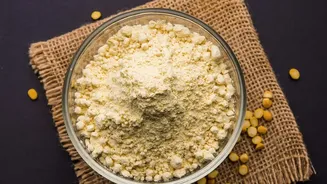
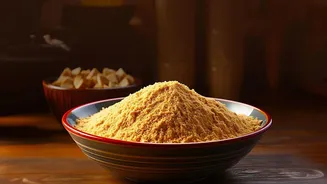
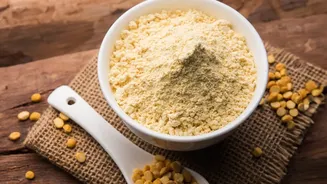
For generations, sattu has been a staple in regions like Bihar, Jharkhand, and Uttar Pradesh, often dubbed the 'poor man's protein' for its affordability and dense nutrition. It's a flour made from roasted Bengal gram (chana) or a mix of other pulses
and cereals. The traditional process involves dry-roasting the grains, often in an iron vessel with sand, which locks in nutrients and gives sattu its distinct nutty, earthy flavour. This ancient superfood has long been the go-to for farmers and laborers, consumed as a doughy ball or a refreshing drink to provide sustained energy for a hard day's work.
A Nutritional Powerhouse
The reason sattu is stepping into the modern wellness spotlight is its incredible nutritional profile. It is packed with high-quality plant-based protein, with some sources stating it contains between 20 to 25 grams of protein per 100 grams. This makes it an excellent choice for vegetarians, vegans, and fitness enthusiasts. Beyond protein, it's rich in dietary fibre, which aids digestion, helps prevent constipation, and promotes a feeling of fullness, making it beneficial for weight management. It also has a low glycemic index, meaning it releases sugar into the bloodstream slowly, which is great for managing blood sugar levels. Traditionally, it is known for its natural cooling properties, making the famous 'sattu sharbat' a go-to summer drink to combat heat and dehydration.
From Sharbat to Smoothie Bowl
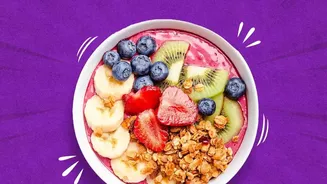
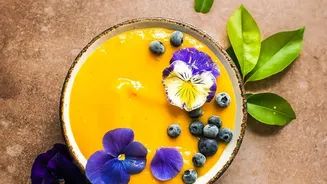
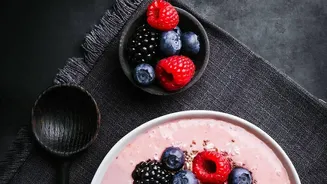
While the salty and tangy sattu sharbat is a timeless classic, the ingredient's versatility is now being explored in new and exciting ways. The smoothie bowl is a perfect modern adaptation. It transforms the simple flour into a complete, satisfying meal that feels both indulgent and incredibly healthy. Unlike a simple drink, a smoothie bowl offers a thicker, creamier base that can be loaded with toppings, adding layers of texture, flavour, and even more nutrients. This evolution allows sattu to blend seamlessly with fruits, nuts, and seeds, creating a balanced meal that’s perfect for a power-packed breakfast or a post-workout recovery meal.
Crafting Your Perfect Sattu Smoothie Bowl
Creating your own sattu smoothie bowl is simple and highly customisable. The goal is a thick, spoonable consistency. Start with a base of 3-4 tablespoons of sattu flour. For the liquid, use about 250-300 ml of your choice of milk (dairy or plant-based like almond milk) or even yogurt for extra creaminess and a probiotic boost. Add a natural sweetener like a few dates, a drizzle of honey, or a spoonful of jaggery powder. For the main flavour and thickness, blend in half a banana, a handful of berries, or a scoop of mango pulp. A pinch of cardamom or cinnamon can add a delightful warmth to the flavour profile. Blend everything until smooth and thick, adding a splash more liquid if needed to reach your desired consistency.
Elevate Your Bowl with Toppings
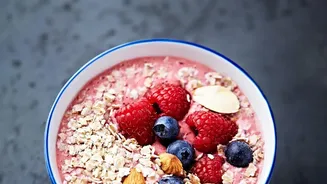
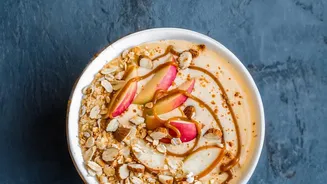
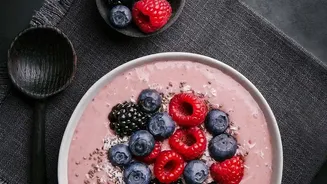
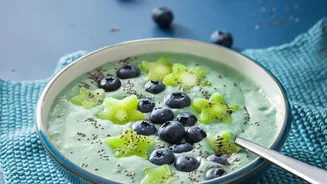
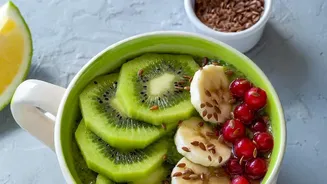
The real magic of a smoothie bowl lies in the toppings. They add crunch, flavour, and a final nutritional punch. Sprinkle your sattu bowl with a variety of textures and tastes. Good options include chopped nuts like almonds and walnuts for healthy fats, and seeds like chia, flax, or pumpkin for fibre and omega-3s. Fresh fruit slices, such as banana, strawberries, or pomegranate arils, add natural sweetness and vitamins. For a touch of decadence, consider a sprinkle of raw cacao nibs or a small handful of toasted coconut flakes. These additions not only make the bowl more visually appealing but also contribute to a more balanced and satiating meal.