


The Strategy of Smart Overlap
Ingredient overlap is a strategic approach to meal planning where you intentionally choose recipes that share core components. Instead of creating five different meals with five unique shopping lists, you build a menu around a handful of versatile items.
This immediately leads to tighter grocery lists, less time spent in the store, and a significant reduction in food that spoils before you can use it. The goal isn't to eat the same meal all week, but to create varied dishes from a common, curated selection of ingredients, making your kitchen more efficient and your budget healthier.
Identify Your Foundational Staples
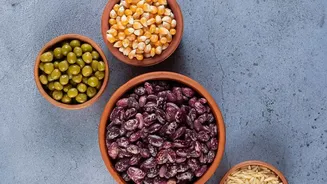
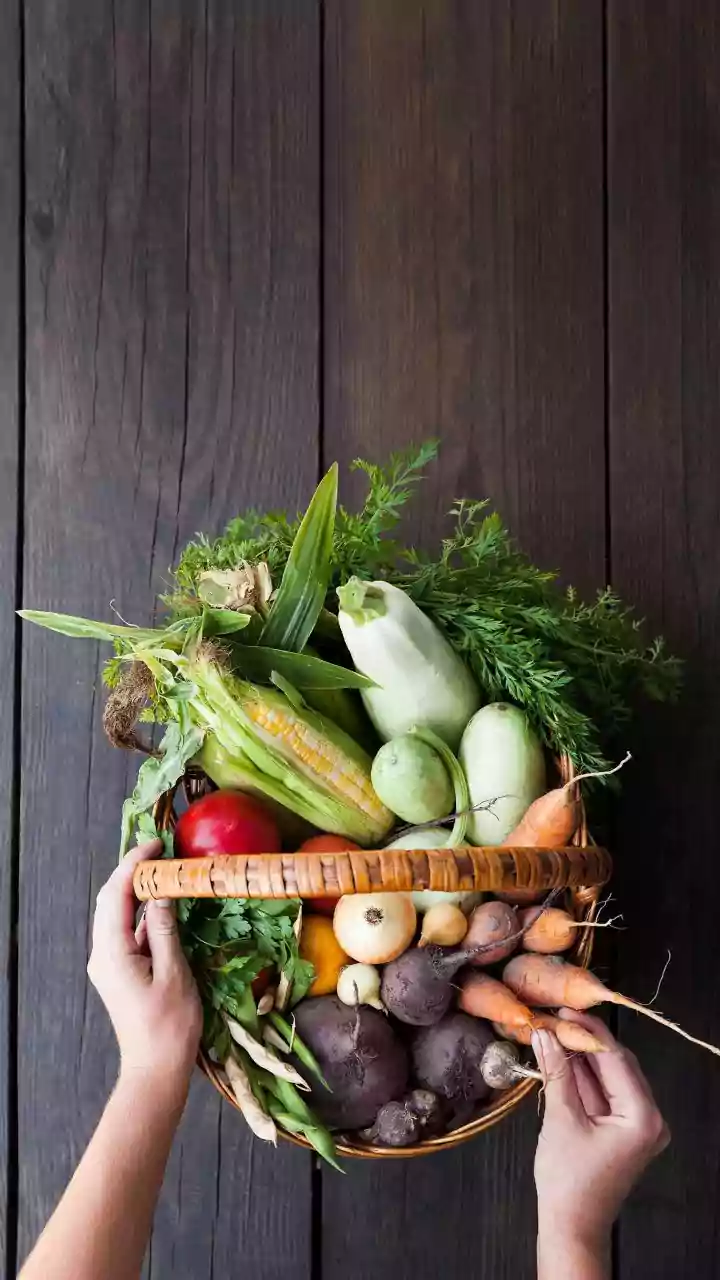
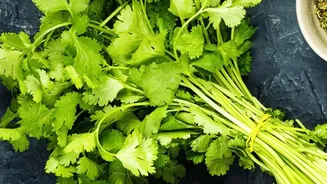
Before you can overlap, you must identify your staples. These are the workhorse ingredients that form the foundation of your cooking style. A good way to start is by taking an inventory of your pantry, fridge, and freezer. What do you already have? What do you use most frequently? Staples can be divided into two categories. First are the long-lasting pantry items like rice, dals, chickpeas, pasta, flour, oils, and spices. Second are your go-to perishable staples—the items you buy almost weekly. For many Indian households, this includes onions, tomatoes, potatoes, ginger, garlic, yogurt, and fresh coriander.
Choose a Weekly 'Hero' Ingredient
One of the most effective ways to practice ingredient overlap is to select one or two 'hero' ingredients for the week and build several meals around them. This works especially well for proteins or robust vegetables. For instance, a large batch of cooked chicken on Sunday can be used for chicken curry on Monday, pulled chicken sandwiches for lunch on Tuesday, and added to a vegetable stir-fry on Wednesday. Similarly, a whole cauliflower can be used for gobi matar one night, roasted as a side dish the next, and its florets used in a fried rice dish later in the week. This 'cook once, use thrice' method is a massive time-saver.
Think in Components, Not Just Meals
Shift your mindset from prepping entire meals to prepping versatile components. This gives you flexibility and makes assembling dinner much faster. Instead of making a finished dish, you could prepare a large batch of a basic onion-tomato masala. This base can be used for a dal, a paneer curry, or a vegetable sabzi on different days. Other useful components to prep ahead include boiled potatoes, a simple lentil dal, or chopped vegetables like carrots and capsicum. Storing these prepped components in clear containers makes it easy to see what you have and quickly put together a nourishing meal.
Build a Purposeful Shopping List
Your shopping list is where your planning pays off. Once you’ve mapped out your meals and their shared ingredients, create a list based only on what’s missing from your inventory. Be specific about quantities to avoid overbuying. This is the crucial step that prevents the purchase of 'orphan' ingredients—items bought for a single recipe with no other purpose. A well-planned list, organized by store section, not only makes shopping faster but also acts as a powerful defence against impulse buys that lead to clutter and waste.
An Example of Overlap in Action
Let’s see how this works with a simple three-day plan. Your shared staples are onions, tomatoes, and paneer. On Day 1, you make paneer bhurji, a quick scramble with onions, tomatoes, and spices. On Day 2, you use the same core ingredients to create a base for matar paneer, adding peas for variety. On Day 3, you can use the leftover paneer, cut into cubes, along with some capsicum and onion to make paneer tikka skewers. Three distinct meals, all stemming from the same core purchases, minimizing waste and decision fatigue.