




Why Good Drainage is Non-Negotiable
Before we get into the shells, let's talk about soil. Healthy plants need a balance of air and water around their roots. When soil is too dense or compacted, water fills all the air pockets, effectively drowning the roots. This leads to root rot, fungal
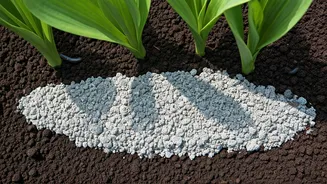
diseases, and weak, unhealthy plants. Good drainage allows excess water to escape, ensuring roots can breathe. Materials that create air pockets in the soil are called amendments, and common ones include perlite, vermiculite, and sand. But an everyday kitchen scrap is proving to be a worthy, eco-friendly alternative. [7, 22]
An Unlikely Garden Hero
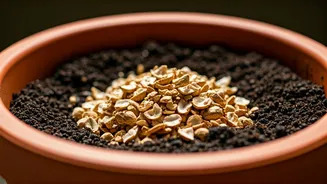
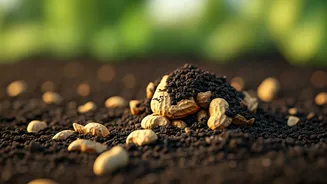
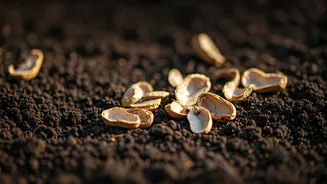
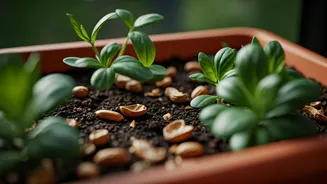
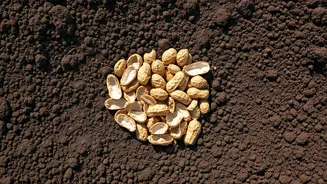
Peanut shells, often tossed in the trash without a second thought, have a unique structure that makes them surprisingly useful in the garden. [7] Their rigid, irregular shapes prevent them from compacting, creating a network of air pockets within the soil. [1] This process, known as improving aeration, is key to good drainage. Unlike leaves or grass clippings that break down quickly, peanut shells are high in lignin and cellulose, making them durable and slow to decompose. [19] This means they provide a lasting structure to keep soil loose and well-draining for a longer period. [19, 20]
The Benefits Beyond Drainage
The advantages of using crushed peanut shells extend beyond just drainage. As a waste product, they are a fantastic, cost-effective resource for sustainable gardening. Using them reduces landfill waste and the need to purchase commercially mined amendments like perlite. [9] Their light weight is another major plus, especially for container gardening; adding shells to large pots or hanging baskets significantly reduces their overall weight compared to filling them entirely with soil. [3, 7] Over time, as the shells do eventually break down, they add valuable carbon and organic matter to the soil, improving its long-term health and structure. [2, 9, 14]
A Few Shells to Crack: What to Watch Out For
While promising, peanut shells aren't without their caveats. The most critical factor is salt. Shells from salted peanuts must be avoided, as excess sodium can harm or even kill plants. [2, 7] If you only have salted shells, they must be thoroughly rinsed or soaked—ideally for 12 hours with a water change—to remove the salt before use. [5, 6, 11] Some gardeners also express concern about fungal diseases, as shells can retain moisture and potentially harbor mold if kept too wet, particularly in humid climates. [2, 5] Finally, it's important to be mindful of severe peanut allergies; if you plan to give away plants grown in a mix containing shells, you should inform the recipient. [9, 10]
Your Step-by-Step Guide to Using Peanut Shells
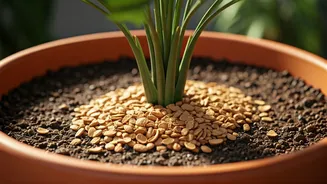
Ready to give it a try? Here’s how to prepare and use peanut shells for better drainage. First, collect clean, unsalted peanut shells. [2] Next, crush them into smaller pieces. You can do this by placing them in a bag and stepping on them or running over them with a lawnmower for larger quantities. [2, 5] The smaller the pieces, the faster they will integrate into the soil. For improving soil in garden beds, especially heavy clay, work a generous amount of the crushed shells into the top 6-8 inches of soil. [6] For potted plants, a common recommendation is to mix the shells into your potting soil at a ratio of about 1 part shells to 3 parts soil. [3, 9] This creates a balanced, well-aerated medium that your plants will love.
Best Uses in Your Garden
Crushed peanut shells are particularly effective in a few key areas. They are a game-changer for container gardening and raised beds, where soil is more prone to compaction and drainage issues. [1, 7] They also work wonders for amending heavy, clay-like soils that retain too much water. [3, 6] You can even use them as a top-layer mulch to help suppress weeds and retain soil moisture, though their primary strength lies in being mixed into the soil for aeration. [2, 6, 14] While they won't replace amendments like perlite entirely—perlite is inorganic and doesn't decompose at all—peanut shells offer a fantastic, renewable alternative for the budget-conscious and eco-friendly gardener. [19, 20]