




The Unshakeable Kingdom of Namkeen
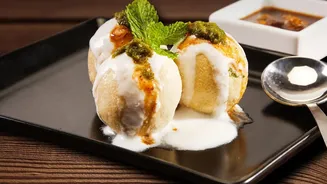
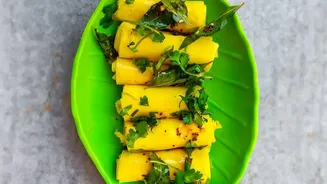
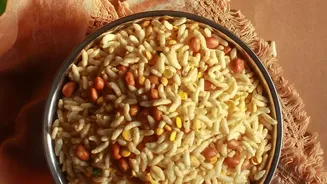
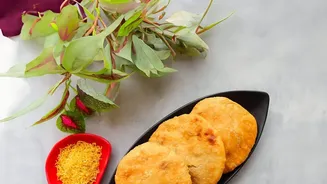
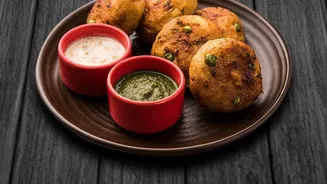
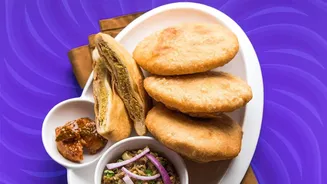
For generations, the Indian snack landscape has been dominated by a rich, diverse, and flavourful array of traditional treats. From the crunchy delights of bhujia and chakli to the savoury comfort of kachori and farsan, these snacks are more than just
food; they are an expression of regional culture and culinary heritage. The market for these traditional namkeens is colossal, forming the bedrock of a sector valued at thousands of crores. This is a world built on familiar ingredients like gram flour (besan), lentils, and aromatic spices, with recipes passed down through generations. These snacks are not just popular; they are a nostalgic and integral part of daily life, forming a baseline against which all new entrants must be measured.
A Hunger for Something Different
Despite the enduring love for tradition, a significant shift in consumer behaviour is reshaping the market. The primary driver is a powerful wave of health consciousness sweeping across the nation. Urban Indians, increasingly aware of lifestyle-related health issues, are actively seeking out snacks that do more than just satisfy a craving. They are flipping over packets to read ingredient lists, looking for terms like 'baked,' 'roasted,' 'low-sugar,' and 'high-protein'. This, combined with the time-pressured routines of modern urban life, has created a surging demand for convenient, on-the-go options that are both nutritious and tasty. Consumers are no longer just mindlessly munching; they are making intentional choices, and brands are taking notice.
The New Snack Aisle
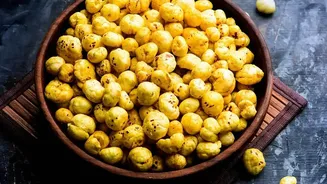
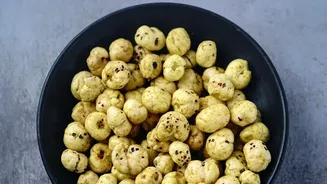
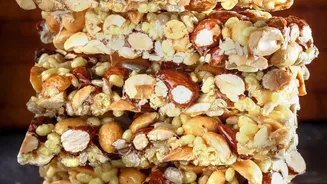
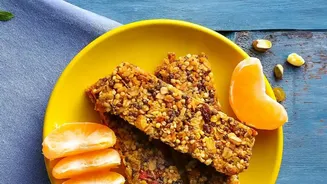
This demand has fuelled an explosion of innovation, led largely by a dynamic cohort of new-age, direct-to-consumer (D2C) brands. The 'modern alternatives' to traditional namkeen are varied and exciting. Millet-based snacks, using ancient grains like jowar, bajra, and ragi, have become mainstream, partly thanks to government initiatives promoting them as 'superfoods'. You'll now find everything from millet puffs to ragi chips. Another star performer is makhana (fox nuts), which has been transformed from a simple puffed seed into a gourmet snack available in dozens of flavours. The aisle also features roasted and flavoured nuts, seeds, fruit and vegetable chips, and a burgeoning market for protein bars and energy bites. Brands like Farmley, The Whole Truth, and Slurrp Farm have built entire businesses on the promise of clean labels, no preservatives, and innovative flavour combinations.
An Evolution, Not a Revolution
However, this makeover isn't about replacing the old with the new. It's about expansion. The modern Indian consumer's palate has broadened, creating a 'snack portfolio' for different needs and occasions. They might still reach for a classic samosa during a rainy afternoon but opt for a protein bar after a gym session or a packet of baked millet chips for their child's tiffin box. Even legacy players are adapting; for instance, PepsiCo introduced baked, millet-based versions of its popular Kurkure snacks to cater to this evolving taste. This indicates that the market is not a zero-sum game but rather a growing space where tradition and innovation coexist. Consumers want the comfort of the familiar alongside the benefits of the new, blending nostalgia with nutrition.