




A Legacy of Community and Cuisine
Parsi clubs, or gymkhanas, have been pillars of the Zoroastrian community in India for over a century. Established in cities like Mumbai and Kolkata, they began as social and sporting hubs, often centred around a shared love for cricket. Clubs like the Ripon
Club, founded in 1884, or the Dadar Parsee Colony Gymkhana became legendary, not just for their sporting achievements, but for the distinct culture fostered within their dining halls. These spaces are living museums, boasting antique furniture and an atmosphere that harks back to a bygone era. The food served is central to this identity. While Wednesday dhansak lunches are famous, the menus often feature a wide array of dishes that tell the story of a cuisine that beautifully marries Persian roots with Gujarati and British influences.
The Vegetarian Surprise in a Meat-Lover's Kitchen
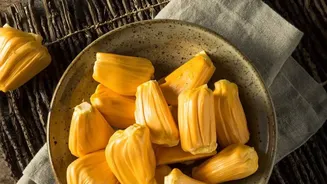
Parsi cuisine is unabashedly celebrated for its iconic non-vegetarian dishes like Sali Boti and Patra ni Machhi. However, there is a rich, albeit lesser-known, tradition of vegetarian cooking. Ingredients are often treated with the same complexity and care. Raw jackfruit, or kathal, is a prime example. Its fibrous texture, which softens while retaining a satisfying bite, makes it an excellent substitute for meat. In the inventive hands of Parsi cooks, kathal sheds its everyday identity and becomes the star of a 'korma' or a flavourful 'shaak' (a vegetable preparation). It's a testament to the cuisine's adaptability and resourcefulness, creating a dish hearty enough to stand proudly alongside its meaty counterparts.
The Parsi Kathal Korma Recipe
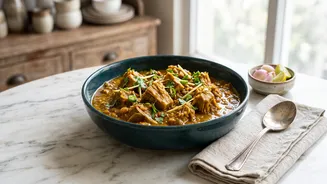
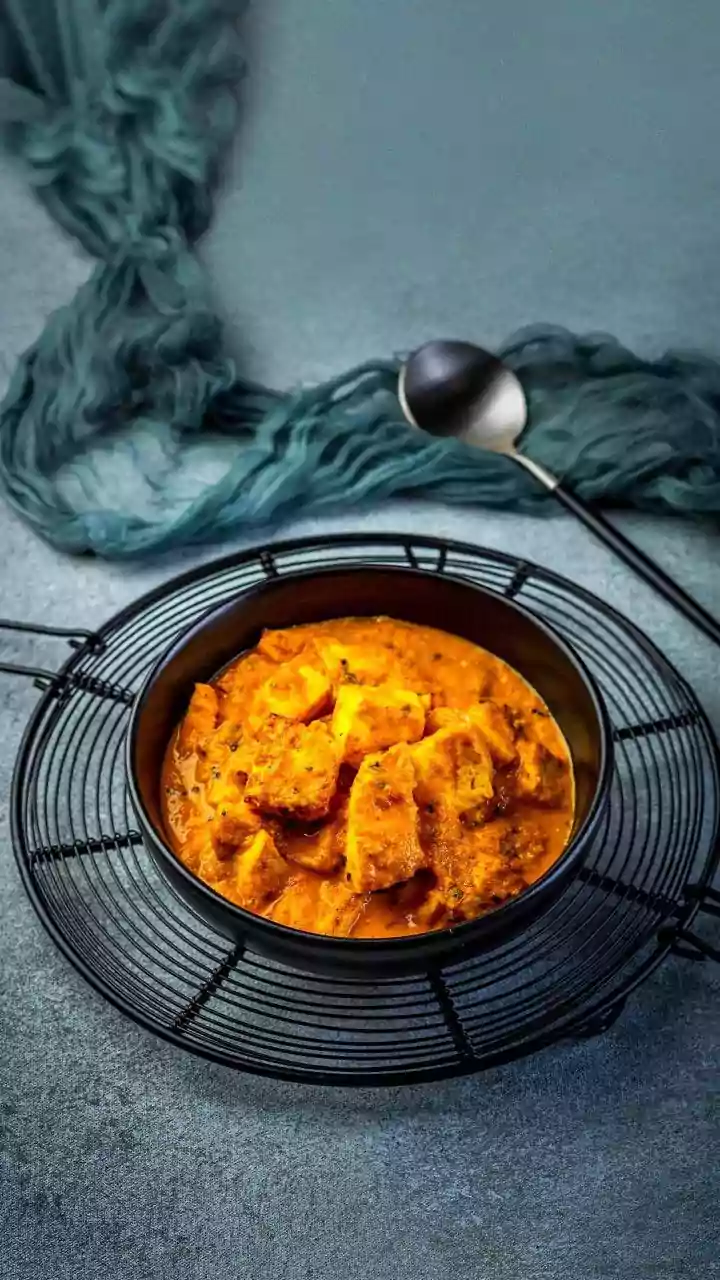
This recipe, inspired by the culinary traditions of Parsi clubs, transforms kathal into a rich and aromatic korma. It reflects the classic Parsi triad of sweet, sour, and spicy notes, creating a complex and deeply satisfying dish. Ingredients: 500-600g raw jackfruit (kathal), cleaned and cut into bite-sized pieces 2 large onions, thinly sliced 1 tablespoon ginger-garlic paste 1 cup thick curd (yoghurt), beaten 2 tablespoons poppy seeds (khus khus), soaked in warm water 10-12 cashews, soaked in warm water 2 tablespoons ghee or vegetable oil 1 teaspoon cumin seeds 2-3 green cardamoms 2-3 cloves 1-inch cinnamon stick 1/2 teaspoon turmeric powder 1 teaspoon red chilli powder (adjust to taste) 1 teaspoon Parsi dhana-jeera masala (or coriander-cumin powder) 1 tablespoon jaggery or sugar 1 tablespoon vinegar or lime juice Salt to taste Fresh coriander, chopped, for garnish * A handful of fried onions (birista) for garnish (optional)
Method: From Humble Fruit to Royal Dish
1. Prepare the Jackfruit: Start by boiling the jackfruit pieces in salted water with a pinch of turmeric until tender but not mushy, about 10-15 minutes. Drain and set aside. This step ensures the kathal is cooked through. 2. Make the Cashew-Poppy Seed Paste: Grind the soaked cashews and poppy seeds into a fine, smooth paste. Add a little water if needed to facilitate grinding. 3. Sauté the Aromatics: Heat ghee or oil in a heavy-bottomed pan. Add the whole spices: cumin seeds, cardamom, cloves, and cinnamon. Once they start to sizzle, add the sliced onions and fry until they turn golden brown. 4. Build the Masala: Add the ginger-garlic paste and cook for a minute until the raw smell disappears. Stir in the turmeric, red chilli powder, and dhana-jeera masala. Cook for another minute, then add the cashew-poppy seed paste. Sauté this masala mixture for 4-5 minutes until the oil begins to separate from the sides. 5. Create the Gravy: Lower the heat and slowly whisk in the beaten curd, stirring continuously to prevent it from splitting. Once incorporated, add the cooked jackfruit pieces, salt, jaggery, and about one cup of water. Bring the curry to a gentle simmer. 6. Simmer and Finish: Cover the pan and let the curry cook on low heat for 10-12 minutes, allowing the jackfruit to absorb all the flavours. Finally, stir in the vinegar or lime juice. Garnish with fresh coriander and fried onions before serving.