


Decoding the IMD's Colour Code
The India Meteorological Department (IMD) is the official agency that issues weather warnings. To make these alerts easy to understand, the IMD uses a colour-coded system to signify the severity of expected weather. A Green alert means 'All is Well' and no
advisory is needed. A Yellow alert means 'Be Aware'; it indicates that weather could worsen and disrupt daily activities, so it’s wise to stay updated. An Orange alert means 'Be Prepared'. This is a warning for extremely bad weather that is likely to disrupt road, rail, or air travel and could cause power outages. The most severe is the Red alert, which means 'Take Action'. This is issued for events like extremely heavy rainfall (over 204.5 mm in 24 hours) that pose a significant threat to life and property, often leading to severe flooding and landslides.
Beyond the Rain: Common Monsoon Dangers
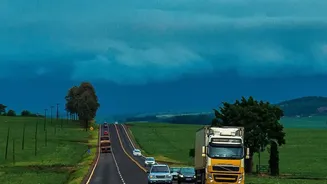
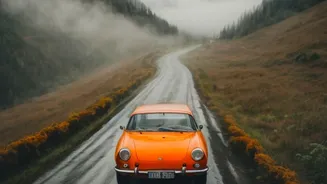
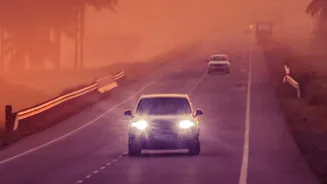
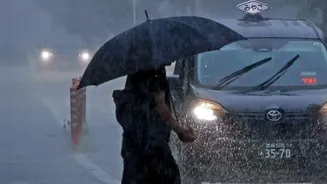
An alert for heavy rain hints at several specific dangers that every road traveller should anticipate. The most obvious is reduced visibility from downpours and fog, making it difficult to spot hazards. Wet roads dramatically increase your vehicle’s stopping distance and can lead to hydroplaning, where your tyres lose contact with the road surface and you lose control of the vehicle. Waterlogging is another major issue, concealing deep potholes that can severely damage your tyres and suspension. Attempting to drive through flooded streets is a gamble; just six inches of water can be enough to stall many cars, and two feet can sweep a vehicle away entirely. In hilly or mountainous regions, prolonged rainfall saturates the soil, creating a high risk of landslides that can block roads or, in the worst cases, sweep vehicles off the road.
Your Pre-Trip Monsoon Checklist
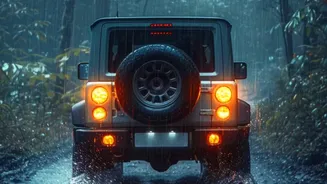
Before you even start the engine, preparation is your best defence. First, give your vehicle a thorough check. Ensure your tyres have adequate tread depth to channel water away and maintain grip on slippery surfaces. Worn-out tyres are a primary cause of skidding. Next, inspect your brakes. They are less effective when wet, so ensure your brake pads are in good condition. Check that all your lights are working—headlights, taillights, and indicators. In poor visibility, being seen is as important as seeing. Finally, make sure your windscreen wipers are not old or cracked, as they are critical for maintaining a clear view. It’s also wise to pack an emergency kit containing a first-aid kit, a torch, jumper cables, a tow strap, drinking water, and a power bank for your phone.
On-the-Road Strategy
Once you are driving, adapt your behaviour to the conditions. The single most important rule is to reduce your speed. This gives you more time to react and helps prevent hydroplaning. Double the normal following distance between you and the vehicle ahead; a three-second gap in dry weather should become at least six seconds in the rain. Use your low-beam headlights to improve your visibility to others, but avoid high beams, which reflect off the rain and can worsen your view. Be extra cautious on painted road markings like zebra crossings, as they become exceptionally slippery when wet. If you encounter a waterlogged road, do not attempt to drive through it unless you are certain it is shallow. If your car stalls in water, do not try to restart the engine, as this can cause catastrophic damage. It is always safer to turn around and find an alternative route.
If You Get Caught
Sometimes, despite all precautions, you can find yourself trapped. If your vehicle gets caught in rapidly rising floodwater, the priority is to get out immediately. Do not panic. Unbuckle your seatbelt, roll down the windows, and exit the vehicle as quickly as possible. Trying to open a door against the pressure of the water can be impossible. Once out, move to higher ground. Even six inches of fast-moving water can knock an adult off their feet. Avoid downed power lines, which can electrify the water. In landslide-prone areas, if you are stuck in traffic and see signs of a slide (like trickles of mud or falling rocks), it may be safer to leave your vehicle and move to a more stable location on foot.