





Beyond the Gridlock
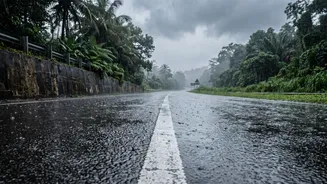
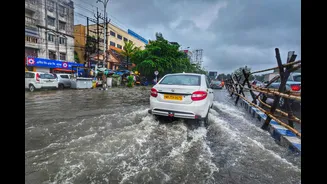
In major Indian cities, heavy rain is synonymous with waterlogged roads and standstill traffic. This is often the most visible and immediate impact. Unplanned urbanisation, concretised surfaces that prevent water absorption, and overwhelmed drainage systems
are the primary culprits. A commute that normally takes 30 minutes can stretch into hours, leaving people stranded. But the problem is far greater than just a delayed journey. It represents the first link in a chain of failures. When roads are impassable, it doesn't just affect commuters; it prevents emergency services from reaching those in need, disrupts supply chains delivering goods to your local store, and can turn entire neighbourhoods into isolated islands. Your backup plan, therefore, isn't just about an alternate route home; it's about anticipating being cut off entirely.
When the Lights Go Out
Heavy rainfall is a direct threat to our power infrastructure. Intense downpours can lead to a significant increase in power outages. High winds can cause trees and branches to fall on overhead power lines, causing short circuits and physical damage that can take hours or even days to repair. Substations, which are critical hubs in the electrical grid, are vulnerable to flooding, which can cause widespread blackouts. In an age where many rely on electricity for everything from work to cooking to communication, a prolonged power cut is debilitating. It knocks out Wi-Fi, renders elevators useless, and can disrupt the water supply in high-rise buildings. A backup plan must account for a potential loss of power, including having torches, power banks for essential devices, and a plan for food that doesn’t require electrical appliances.
The Fragile Digital Lifeline
In our connected world, losing the internet can feel like losing a limb. During heavy rains, this is a very real possibility. Power outages are a primary cause of internet disruption, as both your home router and local service provider equipment require electricity. Even with power, physical damage to infrastructure, such as flooded underground cables or damaged fibre lines, can sever your connection. Mobile networks also come under strain. Cell towers can lose power or get damaged, and with more people trying to use their mobile data simultaneously, network congestion can slow speeds to a crawl. This makes it difficult to get information, contact family, or access emergency services. A good backup plan includes having a fully charged power bank, a battery-operated radio for news updates, and agreeing on a communication plan with family in case networks fail.
Preparing Your Home Base
The most important place to be during a severe weather event is a safe one. A backup plan starts at home with an emergency kit. This isn't about preparing for a doomsday scenario; it's about having essentials on hand to ride out a 72-hour disruption comfortably and safely. Your kit should include non-perishable food, several litres of clean drinking water, a first-aid kit, any necessary medications, torches, and spare batteries. It’s also wise to have copies of important documents in a waterproof bag. Check your home for potential risks before the rain starts, such as loose roof tiles or clogged drains. Ensure your windows and doors seal properly to prevent water from entering. These small preparations can make a significant difference, preventing minor inconveniences from turning into major emergencies.