








The Old-School Stretch to Reconsider
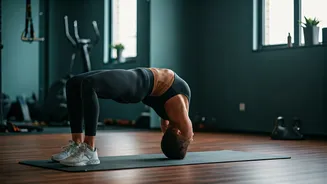
Remember holding a hamstring or quad stretch for 30 seconds before a run? That’s called static stretching, where you lengthen a muscle to its farthest point and hold it. For years, it was the go-to warm-up. However, a growing body of research shows that
performing long-hold static stretches before exercise might actually do more harm than good. Studies suggest it can temporarily reduce muscle strength, power, and explosiveness. Think of your muscles like a rubber band; a long, slow stretch can make them too relaxed and less able to snap back with force, which is crucial for activities like sprinting, jumping, or lifting weights. This doesn't mean static stretching is bad—it's just a matter of timing.
The New Pre-Workout Essential: Dynamic Stretching
The current consensus in sports medicine points to a different approach for your warm-up: dynamic stretching. Unlike its static counterpart, dynamic stretching involves active, controlled movements that take your muscles and joints through a full range of motion. Instead of holding a pose, you're moving. These movements often mimic the activity you're about to perform, which is key to its effectiveness. By preparing the body in a more specific way, dynamic stretching serves as a perfect bridge between being at rest and being active.
Why Dynamic Stretching Works
So, why is active movement better before a workout? A dynamic warm-up does several important things for your body. Firstly, it increases your heart rate and boosts blood flow to your muscles. This raises your muscle temperature, making them more pliable and less resistant to movement, which in turn reduces the risk of injury. Secondly, it activates your central nervous system, essentially waking up the mind-muscle connection and improving coordination and reaction time. The result is better overall performance; studies have shown that dynamic stretching can enhance power, speed, and agility.
Your New 5-Minute Dynamic Warm-Up
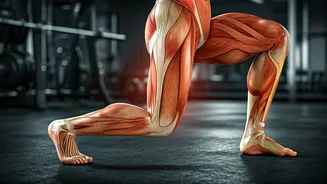
Building a dynamic warm-up is simple and quick. The goal is to get your whole body moving. Aim for about 5-10 minutes of continuous movement. For a general workout, try a combination of the following exercises, performing each for about 30 seconds: * **Leg Swings (Forward and Sideways):** Stand and hold onto a wall for balance. Swing one leg forward and back 10 times, then side to side 10 times. Switch legs. This opens up the hips. * **Arm Circles:** Stand with your feet shoulder-width apart and extend your arms to the sides. Make small circles, gradually getting bigger, then reverse direction. * **Walking Lunges with a Twist:** Step forward into a lunge and gently twist your torso over your front leg. This engages your core and mobilises your spine. * **High Knees and Butt Kicks:** Alternate between bringing your knees up towards your chest and kicking your heels back towards your glutes. * **Inchworms:** From a standing position, bend over and walk your hands out to a plank position. Hold for a second, then walk your feet in towards your hands and stand up. This is a great full-body activator.
The Right Time and Place for Static Stretching
While static stretching has been demoted from its pre-workout role, it remains incredibly valuable. Its ideal place is *after* your workout, during your cool-down. When your muscles are warm and pliable from exercise, holding a stretch for 15-60 seconds can help improve long-term flexibility, increase your range of motion, and release muscle tension. Think of it as a way to help your muscles relax and recover after hard work. It can help reduce post-workout stiffness and even improve posture over time.