







The Myth of the 'Perfect' Posture
The long-held belief in a single, universally correct sitting position is being challenged by ergonomic experts and physiotherapists. The truth is, our bodies are not designed to be static. There is no one ideal sitting posture that works for everyone
or for extended periods. Holding any single position for hours, even a supposedly 'good' one, can lead to muscle fatigue, reduced blood flow, and strain on your ligaments and spinal discs. Think about it: even in a 'perfect' posture, some muscles are constantly working while others are inactive, creating imbalances that lead to discomfort, stiffness, and pain over time. The discomfort and fidgeting you feel after a while is your body's natural defense against this postural stress.
Your Best Posture Is Your Next Posture
Instead of aiming for a rigid, static ideal, the focus should be on creating a dynamic workspace. The new mantra for spinal health is: 'Your best posture is your next posture'. This concept emphasizes the importance of frequent movement and changing your position throughout the day. Experts differentiate between static posture (how you hold yourself when still) and dynamic posture (how you position your body while moving). Both are important, but the key to avoiding the pitfalls of a sedentary day is to incorporate more dynamic activity. Moving frequently helps to distribute weight and stress more evenly across different muscle groups, promotes better circulation, and keeps your joints lubricated and healthy.
How to Sit Smarter, Not Harder
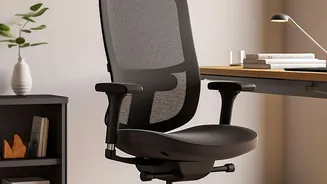
While there's no single perfect posture, there are guidelines for a healthier starting point. When sitting, aim to have your feet flat on the floor, with your knees at or slightly below your hips. Your back should be supported against the chair, maintaining the natural curve of your lower spine — a small pillow or rolled towel can help. Keep your shoulders relaxed and your elbows bent at roughly a 90-degree angle, close to your body. Your computer screen should be at eye level to prevent you from craning your neck forward. Remember, this is just a neutral base, not a position to be frozen in. From here, the goal is to shift and adjust regularly.
Practical Tips for More Movement
Integrating movement doesn't have to be disruptive. Set a timer for every 30 to 45 minutes to remind yourself to change your position. Stand up during phone calls or while reading a document. Perform simple 'deskercises' like neck stretches, shoulder rolls, spinal twists, and leg raises while seated. If possible, alternate between sitting and standing. Even small movements like crossing and uncrossing your legs or shifting your weight in your chair can help redistribute pressure and improve blood flow. The goal isn't to run a marathon during your workday, but to simply break the long, uninterrupted periods of stillness that cause the most harm.