





Choose Your Destination Wisely
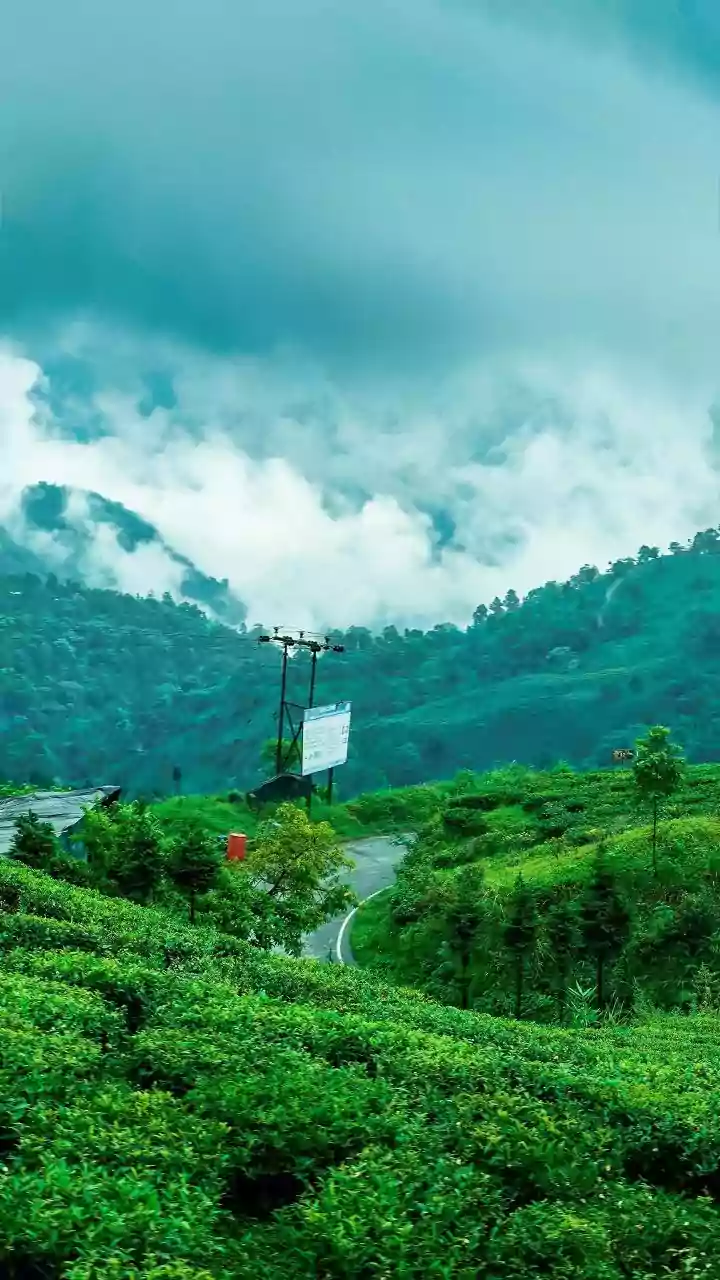
Not all destinations are created equal during the monsoon. While places like Munnar, Coorg, Lonavala, and Udaipur come alive with vibrant greenery and are generally considered safe, others pose significant risks. Mountainous regions in the Himalayas,
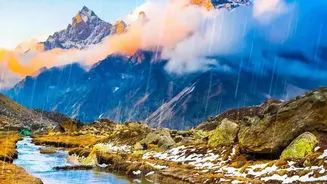
such as parts of Himachal Pradesh and Uttarakhand, often face a high risk of landslides and flash floods, making travel unpredictable and dangerous. Areas like Mizoram have also seen severe disruptions from heavy rain. Before booking, research the specific risks of your chosen location. Opt for destinations with reliable transport and lower chances of being cut off by weather. Some parts of Rajasthan, for instance, receive minimal rainfall and can be a pleasant option. Always check local weather advisories and news before and during your trip.
Prioritise Health and Hygiene
The rainy season creates a perfect breeding ground for germs. The risk of water-borne and vector-borne diseases like dengue, malaria, cholera, and typhoid increases. One of the most critical precautions is to avoid street food and drink only bottled or purified water. The high humidity can cause food to spoil quickly, so stick to freshly prepared meals from hygienic places. Pack a comprehensive first-aid kit with essentials for common ailments like colds, coughs, and fungal infections, along with antiseptic creams and bandages. A strong insect repellent is non-negotiable, as mosquitoes are rampant during this season.
Pack Smart, Not Just Light
Your packing list needs a monsoon-specific upgrade. Beyond a sturdy umbrella and raincoat, focus on the right materials and gear. Opt for synthetic, quick-drying clothes instead of cotton, which stays damp for a long time. A pair of anti-slip, waterproof shoes or sturdy flip-flops is essential for navigating slippery and waterlogged streets. Protect your electronics by carrying waterproof bags or pouches for your phone, camera, and other gadgets. Power cuts can be common, so a fully charged power bank is a lifesaver. It's also wise to pack a small hairdryer, which can help dry clothes in an emergency, and extra pairs of socks.
Navigate Roads with Extra Caution
Road trips during the monsoon require heightened awareness. Heavy rain can lead to poor visibility, slippery roads, and sudden blockages from landslides or flooding. It is crucial to drive slowly, maintain a safe distance from other vehicles, and avoid driving at night during heavy downpours. Before you start, check your vehicle’s tyres and brakes. Stay updated on road conditions using apps like Google Maps or Mappls, which now integrate real-time alerts on road closures, accident-prone zones, and other disruptions, sometimes in partnership with authorities like the NHAI. Never attempt to cross a flooded road or a bridge with overflowing water.
Embrace Flexibility in Your Itinerary
One of the biggest mistakes travellers make is creating a rigid itinerary. The monsoon is unpredictable, and delays are common, whether it's a cancelled flight, a delayed train, or a blocked road. Build buffer days into your travel plan to accommodate unforeseen disruptions. Instead of over-scheduling, have a flexible approach. If heavy rain ruins your sightseeing plans, see it as an opportunity to relax at your resort, enjoy the views, and sip a hot cup of chai. The ability to adapt is key to a stress-free monsoon holiday. Sometimes, the most memorable moments come from unplanned, quiet afternoons spent watching the rain.