


Choose Fabrics That Breathe
The first line of defence against mustiness is your choice of textiles. Heavy fabrics like velvet, thick wool, and dense cottons act like sponges in humid environments, trapping moisture and creating a breeding ground for mildew. An aesthetic and practical
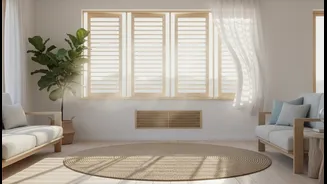
switch is to embrace lightweight, breathable fabrics. Linen, known for its exceptional coolness and ability to dry quickly, is a superb choice for curtains, sofa covers, and bedspreads. Lightweight cottons and their looser weaves also allow air to circulate freely. These materials not only resist moisture but also lend a light, airy, and effortlessly chic feel to your home, perfectly complementing the coastal vibe.
Create Space for Air to Circulate
One of the most effective yet overlooked strategies for preventing dampness is optimising your furniture layout. Pushing heavy wardrobes, sofas, and cabinets directly against walls is a common mistake that traps air and moisture, leading to hidden mould and that tell-tale musty smell. The solution is simple: pull your furniture a few inches away from the walls. This small gap allows air to circulate behind large pieces, preventing moisture from settling on cooler wall surfaces. Also, arrange furniture to create clear pathways for air to move through the room, avoiding clusters that create stagnant zones. This doesn't require a complete redesign, just a thoughtful adjustment to let your home breathe.
Rethink Your Floor Coverings
Wall-to-wall carpeting is a significant contributor to musty odours in humid climates. The dense pile traps a tremendous amount of moisture, dust, and allergens, making it nearly impossible to keep dry and fresh. The most aesthetic and hygienic solution is to minimise floor coverings. Polished concrete, tile, or sealed wooden floors are ideal. If you crave softness underfoot, opt for smaller, washable area rugs like cotton dhurries or jute mats. These natural fibres are more breathable than synthetic carpets and can be easily taken outside to air out and dry in the sun. This approach not only combats dampness but also adds a layer of texture and style that is easy to maintain.
Incorporate Open-Weave Furniture
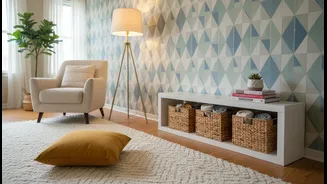
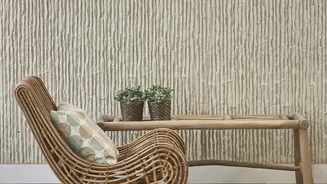
Swapping out solid, bulky furniture for pieces with an open structure is a game-changer for airflow. Furniture made from cane, rattan, or wicker is not only on-trend but also highly functional for coastal living. The natural weave of these materials allows air to pass through freely, preventing the stale, trapped air associated with solid-wood cabinets or fully upholstered items. Consider a cane-fronted wardrobe, a rattan armchair, or open-shelf nightstands. These pieces look lighter, make rooms feel more spacious, and actively contribute to a healthier, less humid indoor environment by promoting constant air movement around your belongings.
Elevate and Ventilate Your Furniture
In the battle against dampness, getting things off the floor is crucial. Choose sofas, beds, and sideboards that have legs, elevating them to allow air to circulate underneath. Furniture that sits flat on the floor creates a large, unventilated surface where moisture can get trapped, leading to mould on both the furniture and the floor. Platform beds with slatted bases are particularly effective as they allow the mattress to breathe from below. Similarly, when choosing storage, opt for wardrobes with built-in ventilation panels or slatted doors. These subtle design features make a significant difference in keeping your belongings fresh and preventing the onset of musty smells.