




Beyond Predicting Rain
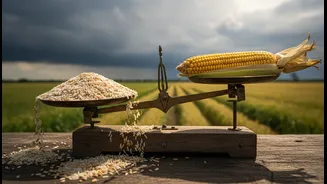
When we talk about 'climate farming' or 'climate-smart agriculture', it’s not just about knowing if it will rain tomorrow. It is an advanced approach to farming that aims to increase productivity, build resilience against climate shocks, and reduce agriculture's
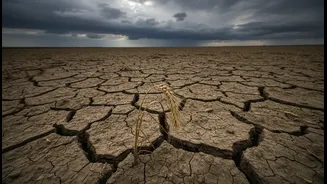
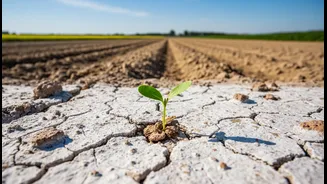
own environmental footprint. The old certainties of weather are gone. Today, farmers face unpredictable monsoons, sudden heatwaves that can shrink grains, and new patterns of pests and diseases. Simply put, the historical data that traditional weather forecasts relied upon is becoming a less reliable guide to the future. Surviving this new reality requires a fundamental shift from reacting to the weather to proactively managing climate risk.
The Limits of a Weather App
A standard weather forecast might tell a farmer the temperature and chance of rain for their district. But it won’t tell them the moisture level in their specific field, whether a particular pest is likely to attack their crop this week, or if the coming heat is intense enough to require a different irrigation schedule. Most forecasts cover a wide area, but conditions can vary dramatically from one village to the next. Climate change magnifies these issues, causing short, intense downpours that lead to flooding and soil erosion, followed by long dry spells. A generic forecast is a blunt instrument in a time that demands surgical precision.
Data from the Soil and the Sky
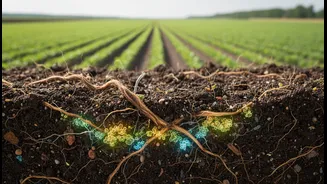
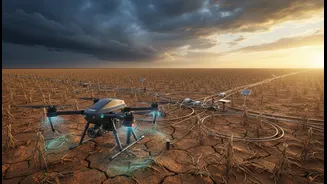
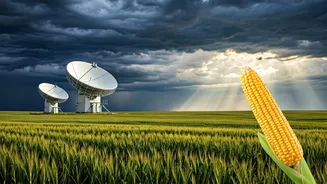
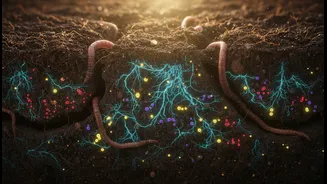
The good news is that technology is creating a new toolkit for farmers that goes far beyond basic meteorology. This is the 'more' that climate farming needs. Satellites now pass over every farm in India every few days, capturing data on everything from crop health and vegetation stress to soil moisture. On the ground, Internet of Things (IoT) sensors can provide real-time data on soil conditions. This flood of data is then processed by Artificial Intelligence (AI) and machine learning models. These systems can turn raw information into specific, actionable advice. Instead of just a weather report, a farmer gets a precise recommendation.
From Forecast to Farm-Specific Advice
This new wave of agri-tech is focused on delivering hyperlocal, personalised advisories. The goal is to answer the critical questions: When exactly should I sow my seeds? How much fertiliser should I use on this specific patch of land? Is that spot on my crop leaf a sign of a fungal infection? In response, India has been rolling out advanced systems. The India Meteorological Department (IMD) has launched AI-powered platforms that provide hyperlocal forecasts with resolutions down to one kilometre and advisories for thousands of sub-districts. Startups and government initiatives alike are developing mobile apps that allow farmers to upload photos of pests for instant identification or receive alerts about changing weather conditions directly on their phones. This shifts the power from a generic forecast to a decision-support system tailored to each farmer.
Technology Meets Tradition
However, technology is not a magic bullet. For these advanced tools to be effective, they must be accessible, affordable, and easy for farmers to use. Many new platforms are being designed with low-literacy users in mind, delivering advice in local languages through simple interfaces. The most successful climate-smart agriculture projects integrate this new technology with the deep, traditional knowledge that farmers already possess. It involves collaboration between scientists, policymakers, tech companies, and, most importantly, the farmers themselves. Building resilience to climate change is as much about strengthening local institutions and providing training as it is about deploying satellites and sensors. The future of farming isn't about replacing the farmer with an algorithm, but empowering the farmer with better information.