








The Diaspora Beachhead
The initial success of Indian snack brands abroad is a story written by the Indian diaspora. For millions of Indians living overseas, these brands are more than just food; they are a taste of home, a connection to cultural roots. This built-in audience,
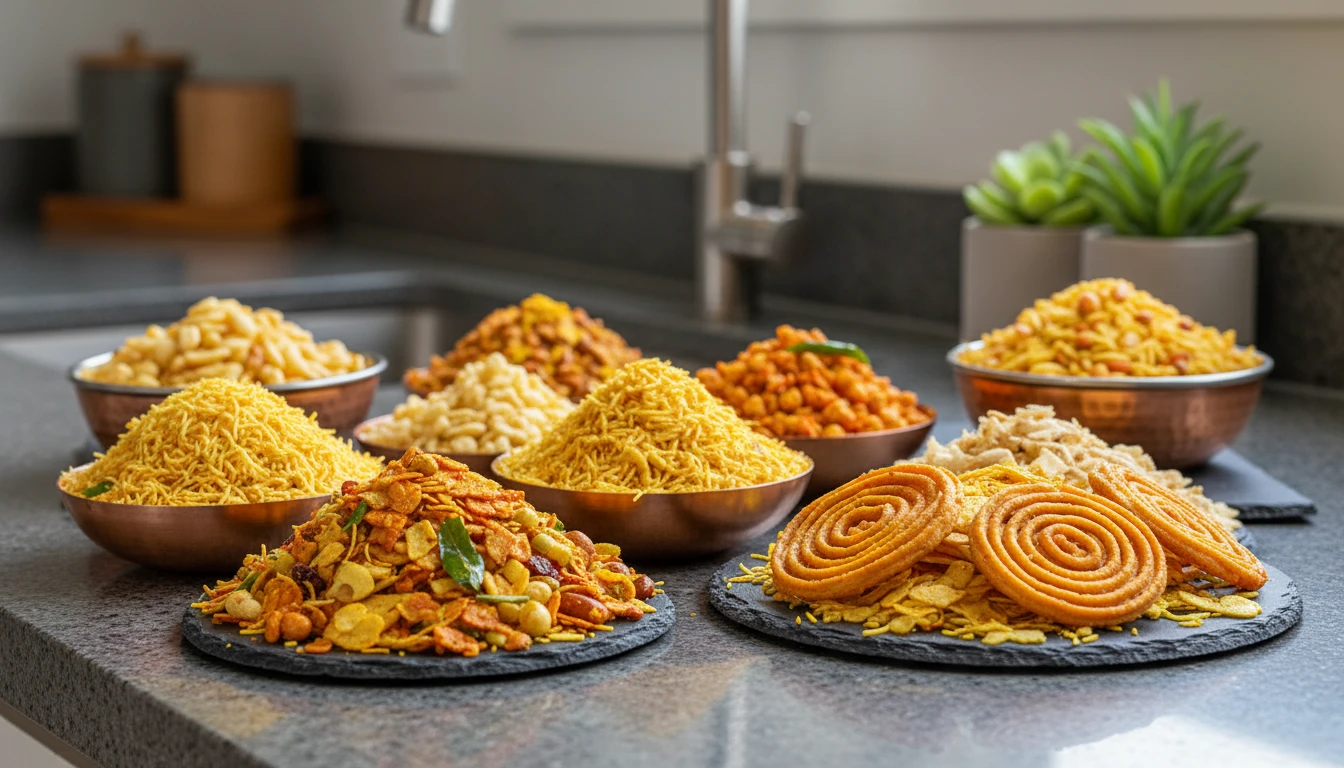
numbering over 12 million in North America and the Middle East alone, provides a reliable, profitable first market. Brands like Haldiram's, which started exporting to the US as early as 1993, and Bikaji have successfully leveraged this demand. They offer an authentic product that requires no adaptation for this core consumer base, creating a crucial beachhead from which to plan further expansion. This diaspora-led demand creates the initial critical mass needed to support early growth and justify entering complex international markets.
Beyond Authenticity: The Adaptation Game
While the diaspora provides the launchpad, the ultimate goal for ambitious brands is to capture the mainstream global consumer. This is where local adaptation becomes critical. Success depends on moving from being an 'ethnic import' to a mainstream grocery item. This involves a delicate balancing act. Companies are tweaking products to suit local palates, which can mean reducing spice levels or introducing new flavour profiles. For example, some brands are creating fusion products, like tikka masala flavoured nachos, to bridge the cultural gap. Packaging is also overhauled to be slicker, more global, and compliant with international labelling regulations. This strategy of 'glocalization'—maintaining a global brand identity while tailoring products for local tastes—is key to winning over non-Indian consumers who are curious about new, bold flavours but may be hesitant to try the full-strength original.
Key Players and Their Playbooks
Haldiram's and Bikaji Foods International are two giants leading the charge. Haldiram's, a household name in India, now exports to over 80 countries. Their strategy combines a vast product portfolio with a focus on quality and modern packaging to extend shelf life, a crucial factor in exports. They have even set up manufacturing facilities abroad, such as in the UK, to better serve regional markets. Bikaji, known for its authentic Bikaneri bhujia, has a strong presence in over 30 countries and can be found in major retail chains like Walmart and Lulu. The company is now investing in setting up its own manufacturing plant in the US to accelerate growth and enhance its market presence. These companies show that global expansion requires a multi-pronged strategy: robust distribution, product innovation, and a willingness to invest directly in key foreign markets.
The Future: From Indian Brands to Global Brands
The success of these snack brands is a powerful indicator of a broader trend: the rise of Indian consumer brands on the world stage. The global snack market is increasingly interested in ethnic, bold, and authentic tastes, and Indian snacks perfectly fit this demand. The journey from a domestic champion to a global player is not easy. It involves navigating complex logistics, international food safety regulations, and intense competition. However, the growth is undeniable, with Indian snack exports more than doubling between 2019 and 2024. This trend reveals a future where 'Made in India' is a mark of a global brand, not just a niche product for expatriates. It signals a new confidence and capability within Indian industry, ready to compete not just on price, but on quality, branding, and innovation worldwide.