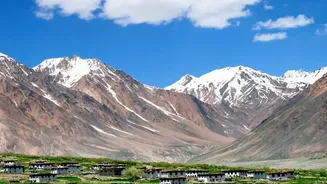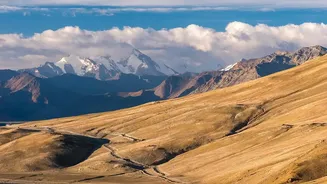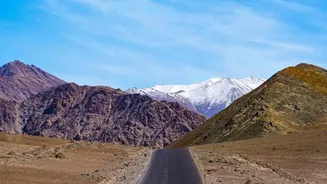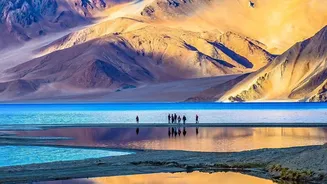



The Sweet Spot of Serenity
For many, Ladakh is a dream of vast landscapes and thrilling road trips. While June and July see the highest influx of tourists, the period from late August through September is often considered the region's 'sweet spot'. The summer crowds begin to thin
out, bringing a sense of peace back to popular spots like Leh's main market, Pangong Lake, and the Nubra Valley. This shoulder season combines the advantages of peak season accessibility with the tranquillity of the off-season. You get the same jaw-dropping views and open roads but with more space to breathe and soak in the serene atmosphere. It’s a time when the land feels more personal, allowing for more authentic interactions with the local culture.
A Photographer’s Paradise
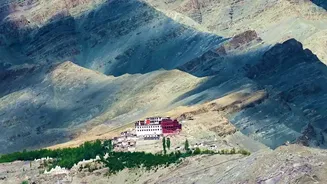
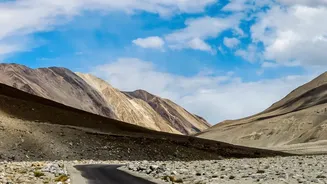
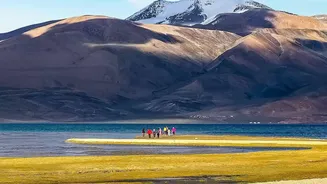
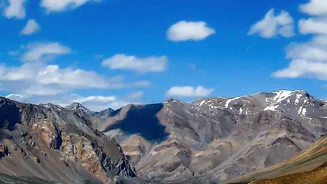
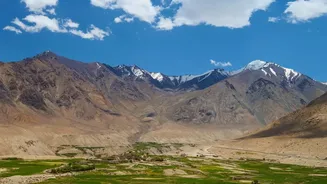
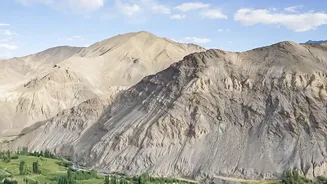
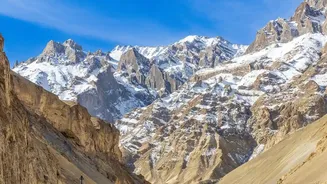
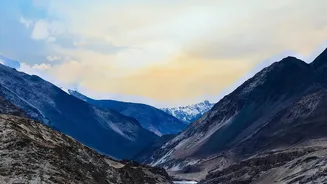
The late-summer light in Ladakh is nothing short of magical. As the monsoon recedes, it leaves behind crystal-clear skies, offering unparalleled visibility of the Himalayan peaks. The air is crisp and free of the dust that can linger in early summer. This clarity, combined with the lower angle of the sun, creates a golden glow that bathes the landscape, making it a dream for photographers. The barren mountains begin to show hints of autumn colour, with poplar and willow trees turning brilliant shades of yellow and orange, creating a stunning contrast against the deep blue skies and turquoise rivers. This is also the best time for stargazing, with the Milky Way often visible to the naked eye in remote areas like Hanle.
Comfortable Days and Crisp Nights
Weather-wise, September offers a perfect balance. The intense heat of mid-summer has passed, and the harsh cold of winter is yet to set in. Daytime temperatures in Leh and the Nubra Valley typically hover between a pleasant 15°C and 25°C, ideal for sightseeing and outdoor activities. Nights become progressively colder, especially at higher altitudes near Pangong Tso and Tso Moriri, where temperatures can dip towards freezing. This makes packing layers essential, but the comfortable daytime conditions mean you can explore without the fatigue of extreme heat. All major road arteries, including the routes from Srinagar and Manali, are typically open and in good condition.
Harvest Feasts and Cultural Festivities
September is harvest time in Ladakh, a period of great activity and celebration in the villages. Farmers are busy in the fields, gathering the barley and wheat that sustains them through the long winter. This offers a fascinating glimpse into the local way of life. The season is also marked by vibrant cultural events. The most notable is the Ladakh Festival, typically held in September, which showcases the region's rich heritage through folk dances, traditional music, archery competitions, and masked dances performed by monks. This festival, often centered in Leh, provides a spectacular immersion into Ladakhi traditions and draws participants from across the region.
Planning Your Late-Summer Trip
While September is an ideal time to visit, a few considerations will ensure a smooth journey. Acclimatisation remains crucial; spend at least 48 hours in Leh to adjust to the altitude before venturing higher. While most hotels and guesthouses remain open, some remote camps, particularly around Pangong and Tso Moriri, may begin to close towards the end of the month, so it's wise to book accommodation in advance. Pack warm layers, including a good jacket, thermals, and gloves, especially for the chilly nights. With shorter days than in peak summer, plan your daily itineraries to make the most of the daylight hours.