



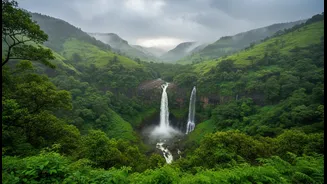


The Monsoon's Emerald Makeover
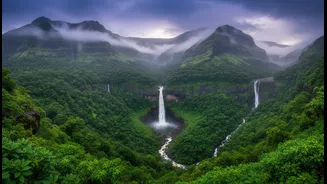
When the monsoon sweeps across Madhya Pradesh, the Satpura Range sheds its dry, ochre coat for a breathtaking cloak of emerald green. This is not a subtle shift; it's a grand-scale awakening. The landscape, parched from the summer, drinks in the rain
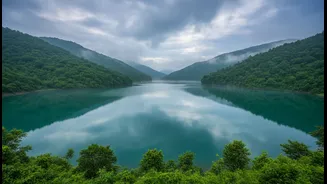
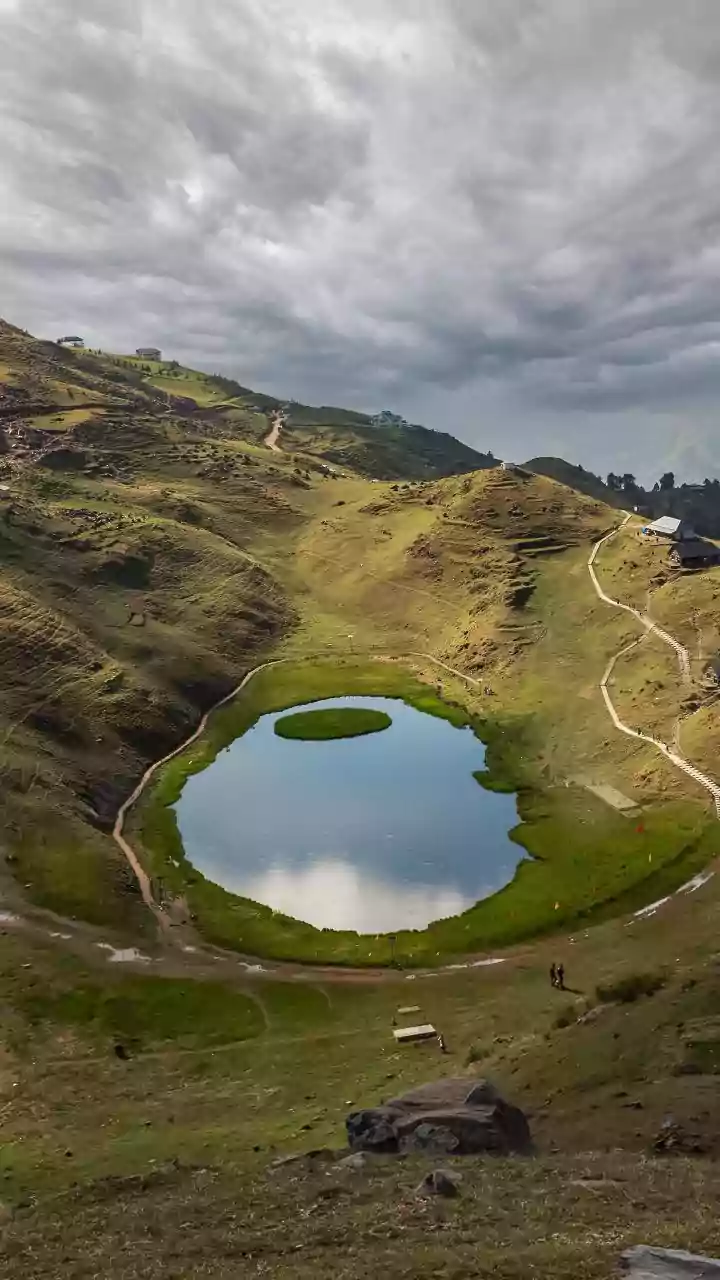
and bursts into life. Dormant streams swell into gushing rivulets, and hidden waterfalls, silent for months, begin to thunder down ancient rock faces. It is during this season that temporary lakes and pools form in the depressions of the rugged terrain, creating ephemeral bodies of water that glitter amidst the dense foliage. This seasonal rebirth is at the heart of the region's growing appeal. For travellers, especially backpackers, the monsoon turns Satpura not into a place to avoid, but a destination to be experienced in its most vibrant and primal state. The air is thick with the scent of wet earth and fresh leaves, and the mist that clings to the valleys creates an atmosphere of mystery and enchantment.
A Quiet Rebellion Against Overtourism
The modern backpacker is often on a quest for authenticity, a search for experiences that feel personal and undiscovered. This desire is a quiet rebellion against the long queues, crowded viewpoints, and commercialised nature of mainstream tourism. Satpura offers exactly that—a slice of wilderness that remains relatively untouched and serene. Unlike India’s more famous national parks, which can feel congested with safari jeeps, Satpura provides a sense of solitude. The lower tourist footfall means visitors can experience the jungle more intimately, listening to its sounds without constant interruption. This appeal is magnified during the monsoon, a period traditionally considered the off-season for wildlife tourism. While the core zones of the Satpura Tiger Reserve close to protect the habitat during the critical breeding season, the surrounding buffer zones and the scenic trails around Pachmarhi, the region's only hill station, remain open and inviting.
The Call of Unconventional Adventure
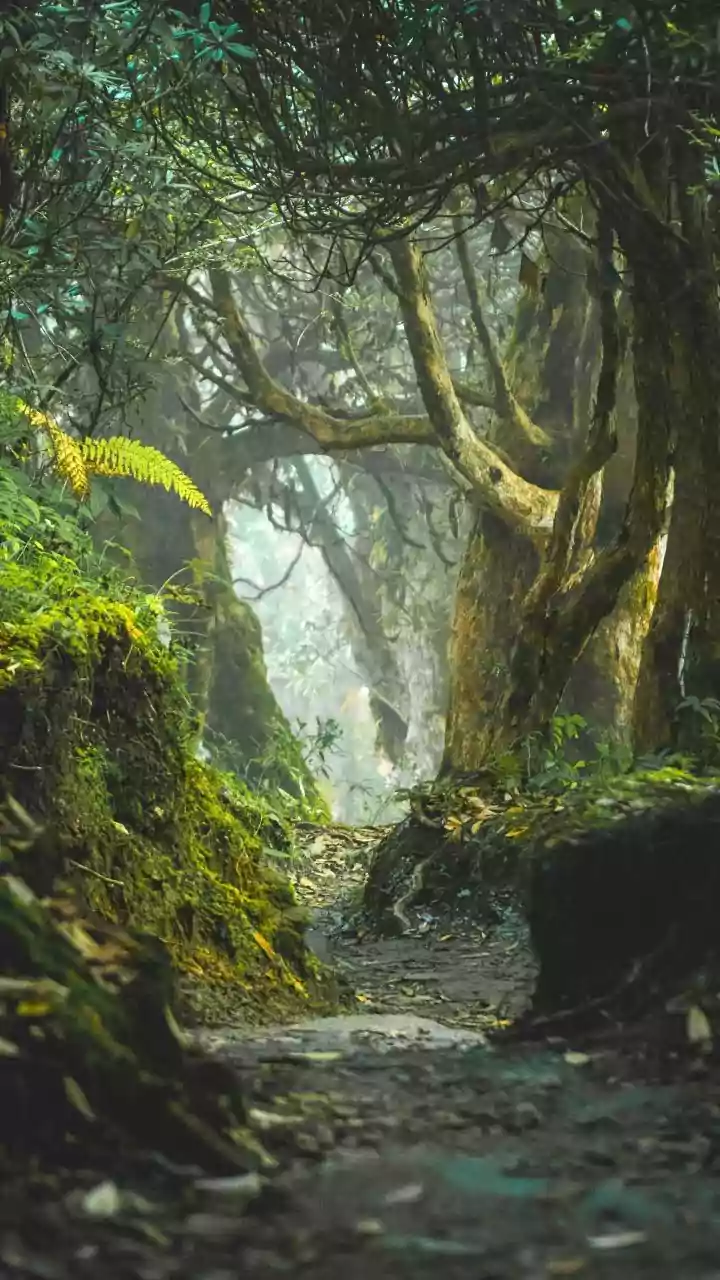
What truly sets Satpura apart for the adventurous traveller is its unique menu of activities. It is one of the few reserves in India where you can explore the forest on foot. Guided walking safaris offer an unfiltered connection to the wilderness, allowing you to learn the stories told by pugmarks, bird calls, and rustling leaves. Furthermore, the presence of the Denwa River and Tawa Reservoir allows for serene boat and canoe safaris, offering a different perspective of the landscape and its inhabitants, especially for birdwatching. These activities align perfectly with the backpacker ethos of active, immersive travel. The challenge of trekking through damp, misty trails to find a secluded waterfall or a panoramic viewpoint like Dhoopgarh, the highest point in the Satpura range, is seen not as a hardship but as part of the reward. This type of raw, do-it-yourself exploration is precisely what many now seek.
Digital Trails to Hidden Gems
In the past, discovering such remote locations depended on word-of-mouth or chance encounters. Today, digital breadcrumbs lead the way. A single, stunning photograph of a mist-covered valley or a short video of a gushing monsoon waterfall shared on social media can ignite the curiosity of thousands. This new form of word-of-mouth is subtle but powerful. It’s not about celebrity influencers posing in pristine locations, but rather about a community of genuine travellers sharing their authentic discoveries. A trekker posting about a new trail, a photographer capturing the unique monsoon light, or a blogger detailing their offbeat journey helps cement Satpura's status as an accessible yet secluded paradise. This digital chatter creates a feedback loop: as more people visit and share their experiences of the lush greenery and dramatic cascades, the more others are inspired to follow their footsteps, seeking out the very beauty they saw on their screens.