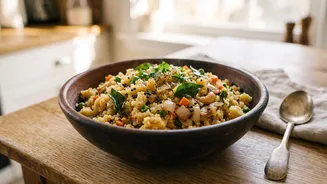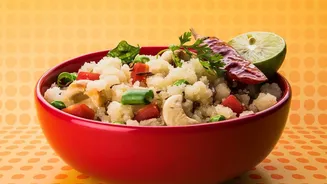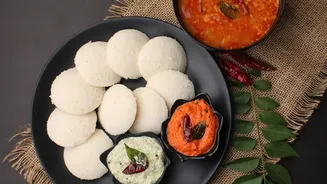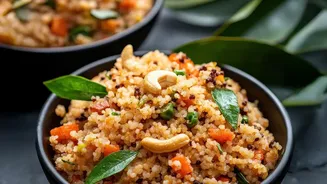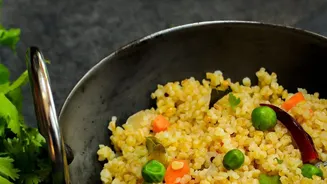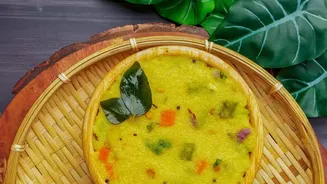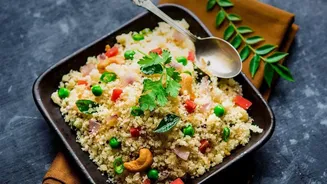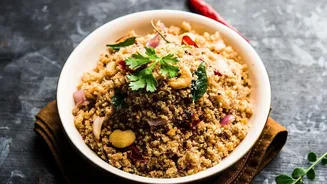



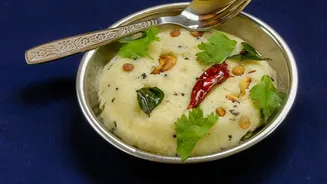
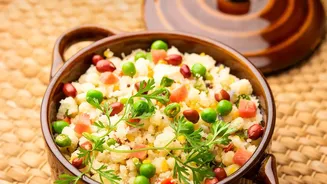
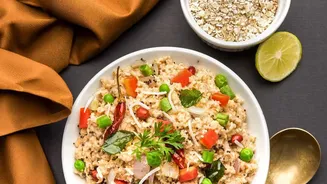
Upma is a beloved breakfast staple, but have you considered elevating it? Adding a colourful medley of vegetables not only boosts its nutritional value but also opens up a world of regional flavours, turning a simple dish into a wholesome meal.
Why Vegetables Belong in Your Upma
The simple
act of adding vegetables transforms upma from a quick, comforting breakfast into a nutritionally balanced meal. Veggies introduce essential vitamins, minerals, and dietary fibre, which can help stabilize blood sugar levels and keep you feeling full longer. This prevents the mid-morning energy crash often associated with carb-heavy breakfasts. Beyond health benefits, vegetables add a delightful variety of textures—the soft bite of carrots, the pop of green peas, the crunch of bell peppers—and a visual appeal that makes your morning meal even more enjoyable. The fibre in vegetables also aids digestion, giving your system a healthy start to the day.
The South Indian Classic: Karnataka's Khara Bath
In Karnataka, what is commonly known as upma is often called Khara Bath. It's typically spicier and more flavourful than its simpler counterparts. The 'essentials' here include a generous amount of finely chopped vegetables. Onions, tomatoes, carrots, green beans, and green peas are standard. The key to the authentic taste of Khara Bath often lies in a special spice blend, like Vangi Bath powder or Bisi Bele Bath powder, which gives it a unique, aromatic, and spicy kick. The vegetables are sautéed along with the tempering of mustard seeds, dals, and curry leaves before the roasted semolina (rava) is added, ensuring they are tender and their flavours are infused throughout the dish.
The Maharashtrian Approach: Hearty and Flavourful
In Maharashtra, upma, sometimes called 'upeeth', is a staple breakfast in many households. The vegetable additions here are often robust and foundational. Finely chopped onions are almost non-negotiable, providing a sweet and savoury base. Tomatoes are frequently added for a tangy dimension, while vegetables like carrots and green peas contribute texture and nutrition. Some Maharashtrian versions also include potatoes, which make the upma even more hearty and filling. The focus is on creating a flavourful, satisfying, and quick meal, often garnished with fresh coriander and a squeeze of lemon juice to brighten the flavours.
Tamil Nadu and Andhra-Style Vegetable Upma
In Tamil Nadu and Andhra Pradesh, vegetable upma is a popular and wholesome choice. The classic vegetable combination includes diced carrots, green peas, and sometimes French beans, which add sweetness and texture. In Tamil Nadu, the dish might be finished with a squeeze of lemon for a tangy flavour profile. Andhra_style upma is often generously loaded with these vegetables, making it a colourful and nutritious meal. In both regions, the preparation starts with a traditional South Indian tempering of mustard seeds, urad dal, chana dal, and curry leaves, which lays a fragrant foundation for the vegetables and semolina to follow.
Tips for Perfect Vegetable Upma
To ensure your vegetable upma is delicious every time, a few techniques are key. First, always dry roast your semolina (rava) on low heat until it's aromatic; this prevents the upma from becoming sticky and lumpy. Chop your vegetables finely and uniformly so they cook evenly and quickly. Sauté the harder vegetables like carrots and beans for a few minutes before adding softer ones like peas and tomatoes. The water_to_rava ratio is crucial for texture; a common ratio for a soft, fluffy upma is between 2.5 to 3 cups of water for every cup of rava. Finally, adding the roasted rava to boiling water in a slow, steady stream while stirring continuously is the secret to a lump_free finish.