

Your Skin’s Protective Shield
Think of your skin's outermost layer, the stratum corneum, as a well-built brick wall. The 'bricks' are tough skin cells called corneocytes, and the 'mortar' holding them together is a mix of natural lipids like ceramides, cholesterol, and fatty acids.
This structure, known as the moisture barrier (or skin barrier), has two critical jobs: it keeps essential water locked inside your body and it keeps harmful irritants, pollutants, and bacteria out. When this barrier is healthy and intact, your skin feels hydrated, calm, and resilient. But when it gets damaged, it becomes 'leaky,' leading to a host of problems.
The Daytime Assault of Cold Air
Winter air is a primary foe of your skin barrier. Cold air holds significantly less moisture than warm air. This low-humidity environment creates a moisture imbalance, and the dry air starts pulling water directly from your skin's surface in a process called transepidermal water loss (TEWL). It's not just the outdoors; indoor heating systems make the air even drier, accelerating this moisture loss. This constant dehydration weakens the lipid 'mortar,' leaving your barrier compromised. The result is skin that feels persistently dry, flaky, red, and sensitive to products you normally tolerate.
Why Nighttime Is Peak Repair Time
Your skin isn’t just resting while you sleep; it’s hard at work. Your body operates on a 24-hour internal clock called the circadian rhythm, and this applies to your skin, too. During the day, your skin is in defense mode. At night, it switches to repair and regeneration. Blood flow to the skin increases, delivering more oxygen and nutrients for cellular repair. The skin also becomes slightly more permeable overnight. While this can increase water loss, it also creates a golden opportunity for skincare ingredients to penetrate more deeply and effectively.
The Recovery Crew: Key Ingredients
Night creams are formulated to take advantage of this natural repair cycle with specific ingredients designed to rebuild your barrier. Ceramides are the headliners; these lipids make up about 50% of your barrier’s 'mortar' and applying them topically helps replenish what’s been lost. Hyaluronic Acid is a humectant that acts like a sponge, drawing moisture into the skin to rehydrate it. Niacinamide (Vitamin B3) is a multi-tasker that not only calms inflammation but also encourages your skin to produce its own ceramides. Finally, peptides are chains of amino acids that can signal your skin to produce more collagen, supporting overall structure and resilience.
Choosing and Using Your Night Cream
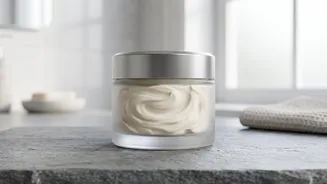
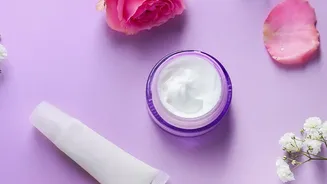
To make the most of a recovery cream, application matters. Always start by cleansing your face with a gentle, non-stripping formula. Apply serums or treatments first, then follow with your night cream to lock everything in. For best results with hyaluronic acid, apply it to slightly damp skin to give it water to grab onto before sealing it with a cream. Look for formulas that combine several barrier-supporting ingredients, as they often work better together. For dry skin, richer creams with ceramides and fatty acids (like shea butter) are excellent choices. If you have oily or combination skin, look for gel-cream textures that still pack in ingredients like niacinamide and hyaluronic acid.