




The Digital Kirana Arrives
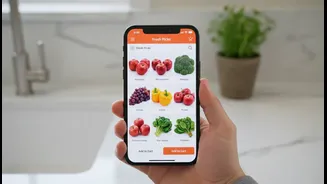
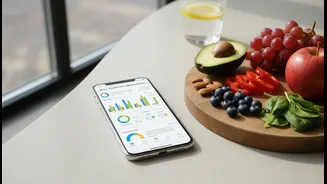
The days of grocery shopping being limited to the offerings of your local store are fading, at least in urban and semi-urban India. The rapid expansion of affordable internet and smartphone use has fueled a massive boom in e-commerce, and food is at the heart
of it. Platforms like Blinkit, Swiggy Instamart, Zepto, and BigBasket are no longer just a metro-city luxury; they are expanding into Tier-2 and Tier-3 cities, changing consumer expectations with the promise of variety and ultra-fast delivery. This digital transformation means the pantry is no longer defined by physical proximity but by a stable internet connection, with the online grocery market projected to grow significantly in the coming years.
A World of Choice, Delivered
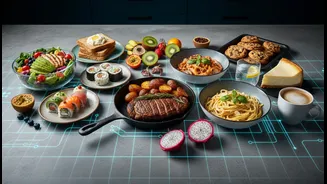
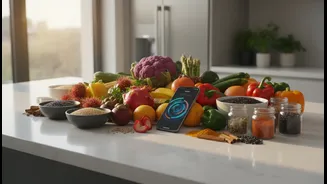
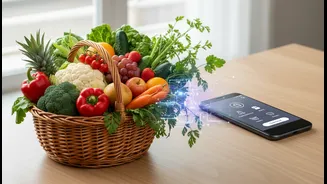
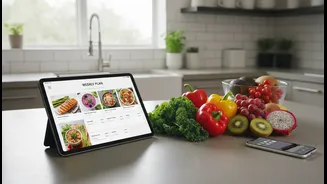
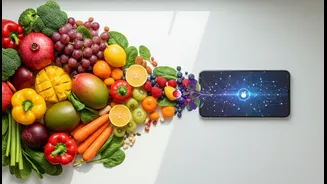
One of the biggest advantages of online markets is the sheer breadth of product availability. While a local shop might stock a few staple vegetables and brands, online marketplaces can offer everything from organic produce and gourmet cheeses to international ingredients and specialty health foods. This access can theoretically improve dietary diversity, which is a key component of good nutrition. For consumers in smaller towns, this can be revolutionary, providing access to products they previously could only find in larger cities. Furthermore, studies have shown that internet use can be linked to higher dietary diversity scores, particularly in the consumption of animal-based proteins.
The Double-Edged Sword of Convenience
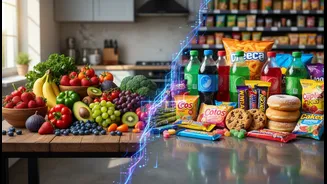
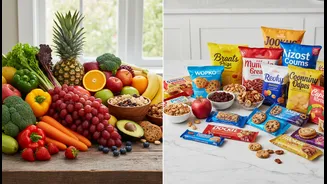
While access to fresh and varied ingredients is a clear benefit, the digital food environment is also, as one report notes, a "dangerous place full of temptations". The same platforms that deliver fresh broccoli can also deliver ultra-processed snacks and sugary drinks in under 10 minutes. Research indicates that the rise of food delivery apps is a significant factor in increasing obesity and lifestyle-related diseases in India. Studies have found that frequent use of these services is associated with higher calorie intake, reduced dietary diversity, and an increased consumption of junk food. This convenience can lead to a reduction in home cooking and an over-reliance on calorie-dense, pre-prepared meals, creating significant public health challenges.
The Kirana Store Fights Back
The rise of quick commerce has undeniably challenged the traditional kirana store, which has long been the backbone of Indian retail. Reports have noted tens of thousands of store closures as customers opt for the convenience of delivery apps. However, it would be a mistake to write off the neighbourhood shop. Kirana stores still command the vast majority of India's grocery market share. Many are adapting by embracing technology themselves, adopting digital payment systems like UPI, and using services like WhatsApp for local home deliveries. These stores often compete not on speed, but on trust, hyper-local familiarity, and the ability to offer small-quantity credit—advantages that algorithms struggle to replicate.
Bridging the Digital and Dietary Divide
The impact of online markets is not uniform across the country. While urban India, particularly affluent households, drives the quick commerce boom, a significant digital divide remains. Internet penetration is growing fast in rural areas, and now surpasses urban user numbers, but access and digital literacy are not universal. For many in rural India, dietary choices are still primarily dictated by local agricultural production, market access, and income, not by what's available on an app. As internet access deepens in these areas, it holds the potential to improve nutritional literacy and access to a wider variety of foods, but the risk of promoting unhealthy, processed options remains just as potent.