




Why Visiting ISRO Matters
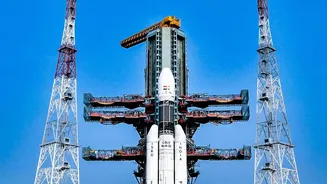
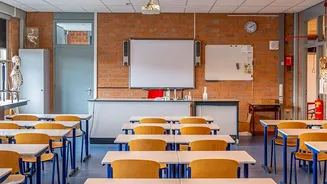
For many students, science is confined to textbooks and classrooms. An educational visit to an ISRO facility transforms theoretical concepts into tangible reality. Seeing towering launch vehicles, intricate satellite models, and the mission control rooms where
history is made provides a powerful context that no book can match. These visits are designed to bridge the gap between academic learning and real-world application, covering everything from physics and engineering to computer science. The goal is to ignite curiosity and inspire students to pursue careers in Science, Technology, Engineering, and Mathematics (STEM). After the historic success of missions like Chandrayaan-3, interest among students has skyrocketed, and ISRO is actively channelling this enthusiasm through its outreach programs.
The Logistics: Planning Your Visit
A trip to an ISRO centre requires careful planning. First, it's important to know that individual students cannot arrange visits on their own. All tours must be organised through an educational institution, such as a school or college. The process begins with a formal request letter from the school's principal or a faculty head sent to the Public Relations Officer (PRO) of the specific ISRO centre you wish to visit. This letter should detail the purpose of the visit, the number of students and accompanying teachers, their grade or course level, and preferred dates. Most ISRO centres, including the U.R. Rao Satellite Centre (URSC) in Bengaluru and the Satish Dhawan Space Centre (SDSC) in Sriharikota, facilitate these visits on select days, subject to security protocols and operational schedules. It's advisable to apply well in advance, as it can take several weeks to receive a response.
What to Expect During a Visit
A typical visit to an ISRO facility lasts between three to five hours. Depending on the centre, students get a guided tour of exhibition halls and space museums. At the URSC in Bengaluru, for example, groups can see detailed models of iconic Indian satellites like the INSAT and Chandrayaan series. At SDSC in Sriharikota, India's primary spaceport, approved groups may get to see the massive Vehicle Assembly Building and launch pad infrastructure from designated viewing areas. For a truly unforgettable experience, schools can try to register online to watch a live rocket launch from the public viewing gallery at Sriharikota. These slots are free but fill up almost instantly once registration opens on the ISRO website.
Beyond a Physical Tour: Other ISRO Initiatives
Recognising that a physical visit isn't possible for everyone, ISRO has developed several other outreach programs. The "Space on Wheels" is a mobile exhibition that takes the wonders of space science to schools and communities in remote areas, featuring models of rockets and satellites. This initiative has already reached tens of thousands of students across states like Telangana, Jharkhand, and Bihar. For those who want to learn from home, ISRO offers the "Antriksh Jigyasa" knowledge portal. This virtual platform provides free, self-paced online courses on space science and technology. Another key program is YUVIKA, or the "Young Scientist Programme," a two-week residential course that offers selected high school students hands-on activities like model rocketry, robotics, and interactions with senior scientists.
Fostering India's Future Innovators
These educational initiatives are a core part of ISRO's mission to build a strong scientific foundation for the nation. By engaging directly with students, the organisation aims to cultivate the next generation of scientists, engineers, and technologists. For college students, an industrial visit to ISRO is often more analytical, requiring them to connect what they see with their curriculum, such as propulsion thermodynamics or control systems. Through programs that allow students to design and build their own small satellites (CanSats) and payloads, ISRO is also nurturing future space entrepreneurs. These efforts ensure that India's space program remains not just a government endeavour, but a national one, powered by the dreams and intellect of its youth.