



What Does 'Native' Actually Mean?
A native plant is one that has grown and evolved in a specific region for thousands of years, without any human introduction. These are not exotic species imported from other countries, but the original flora of your land. Think of the Peepal or Neem
trees that thrive with little intervention, or the hardy Marigolds that burst with colour. They are genetically encoded to succeed in your local climate, soil, and rainfall patterns. This inherent adaptation is what makes them the foundation of local ecosystems and, as it turns out, the perfect candidates for a thriving, low-effort urban garden.
The Low-Maintenance Dream
For busy urbanites, the biggest appeal of native plants is their incredible resilience. Because they are adapted to local conditions, they demand far fewer resources. Once established, they require less water, a significant advantage in a country where water scarcity is a concern. Many native species have deep root systems or other adaptations that make them naturally drought-tolerant. Furthermore, they are more resistant to local pests and diseases, which means you can say goodbye to a cabinet full of chemical pesticides and fertilizers. This translates into direct savings of time, money, and effort, making your gardening hobby a pleasure rather than a chore.
Your Balcony, A Mini-Ecosystem
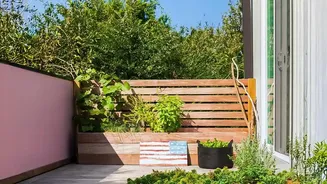
Choosing native plants does more than just beautify your space; it transforms your balcony into a vibrant ecological hub. These plants provide essential food and shelter for local wildlife that has been displaced by urbanisation. Native flowering plants like Hibiscus, Palash, and Indian Laburnum attract native bees, butterflies, and birds, creating a miniature food web right outside your window. Research has shown that native plants support a vastly greater number of insect species—the foundation of the food chain—than their exotic counterparts. By planting even a few native species in pots, you are helping to create a corridor for wildlife, stitching together fragmented habitats across the city.
Beating the Urban Heat
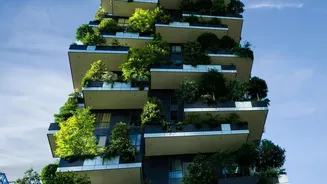
Cities are often several degrees warmer than surrounding rural areas, a phenomenon known as the 'urban heat island effect'. Your balcony and home are not immune. Greenery can help, but native plants are particularly effective. Native trees and shrubs provide shade and release water vapour through transpiration, which helps cool the surrounding air. Even a small collection of native plants on a balcony or rooftop can contribute to mitigating this effect on a micro-level, making your home a more comfortable oasis during the scorching summer months and potentially reducing your reliance on air conditioning.
Easy Native Plants to Start With
Ready to get started? You don't need a sprawling garden. Many Indian native plants thrive beautifully in containers. Look for these at local nurseries that specialise in native species. For Sunny Balconies: Bougainvillea is a classic for a reason; it thrives on neglect and loves the sun. Marigold (Genda), Tulsi (Holy Basil), and Curry Leaf are also excellent, sun-loving choices that are both beautiful and useful. For Colourful Blooms: Hibiscus (Gurhal) produces stunning flowers that are a magnet for pollinators. The Aparajita (Butterfly Pea) is a beautiful climber with striking blue flowers perfect for a small trellis. The Indian Laburnum (Cassia fistula) or Palash (Butea monosperma) can be grown in large containers for a truly spectacular display. * For Low Water Needs: Succulents like Aloe Vera are incredibly forgiving. Many native grasses and shrubs are also naturally drought-resistant and perfect for a low-maintenance setup.