

From Waste to Wonder Flour
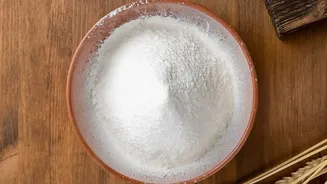
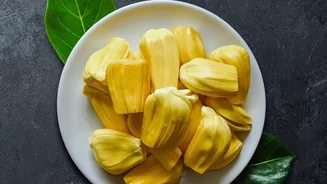
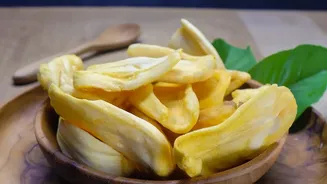
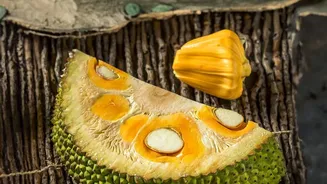
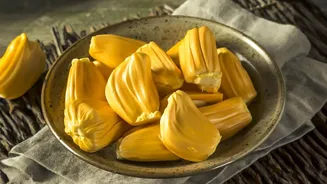
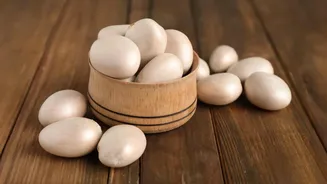
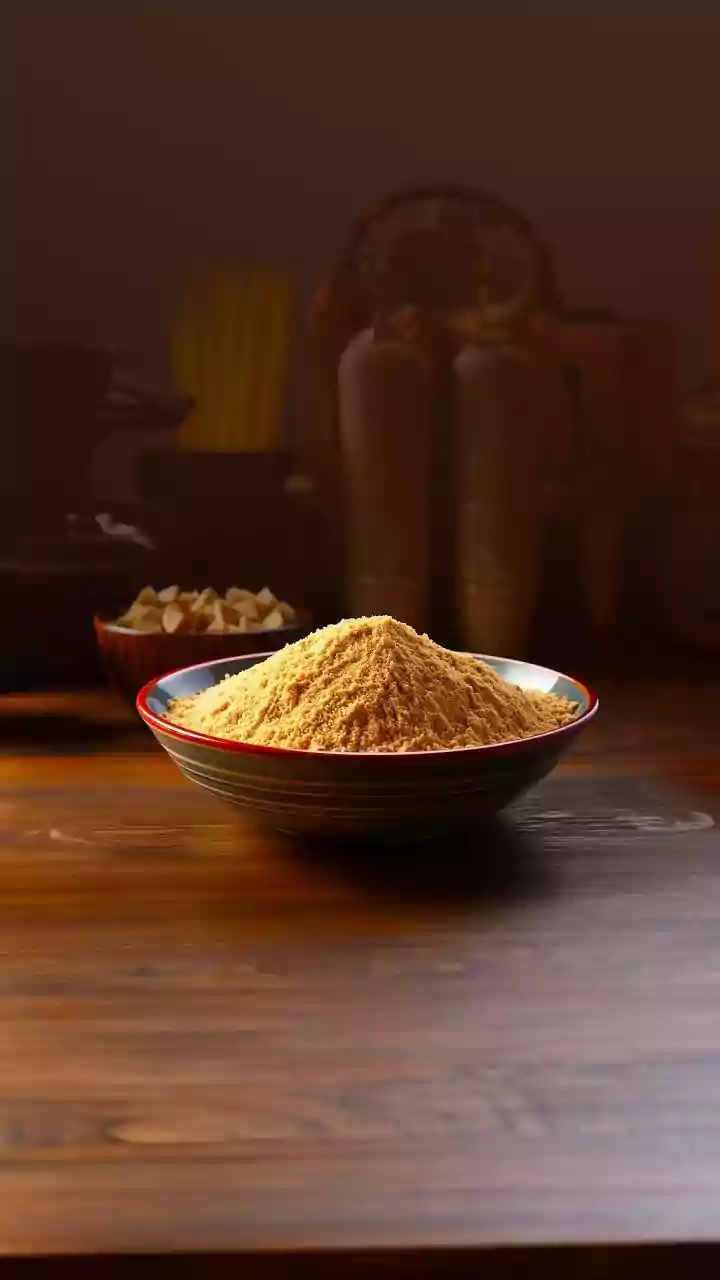
For years, the seeds of the jackfruit—a fruit native to the Western Ghats of India—were simply thrown away after the sweet, fleshy pods were consumed. This agricultural byproduct is now being recognised as a nutritional powerhouse. By cleaning, boiling,
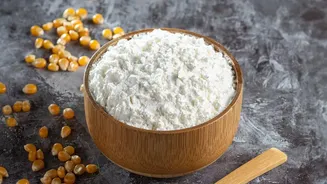
drying, and grinding these seeds, a fine, versatile flour is created. This process transforms what was once waste into a valuable, sustainable food source, an idea gaining significant traction in India where jackfruit is widely available.
A Nutritional Powerhouse
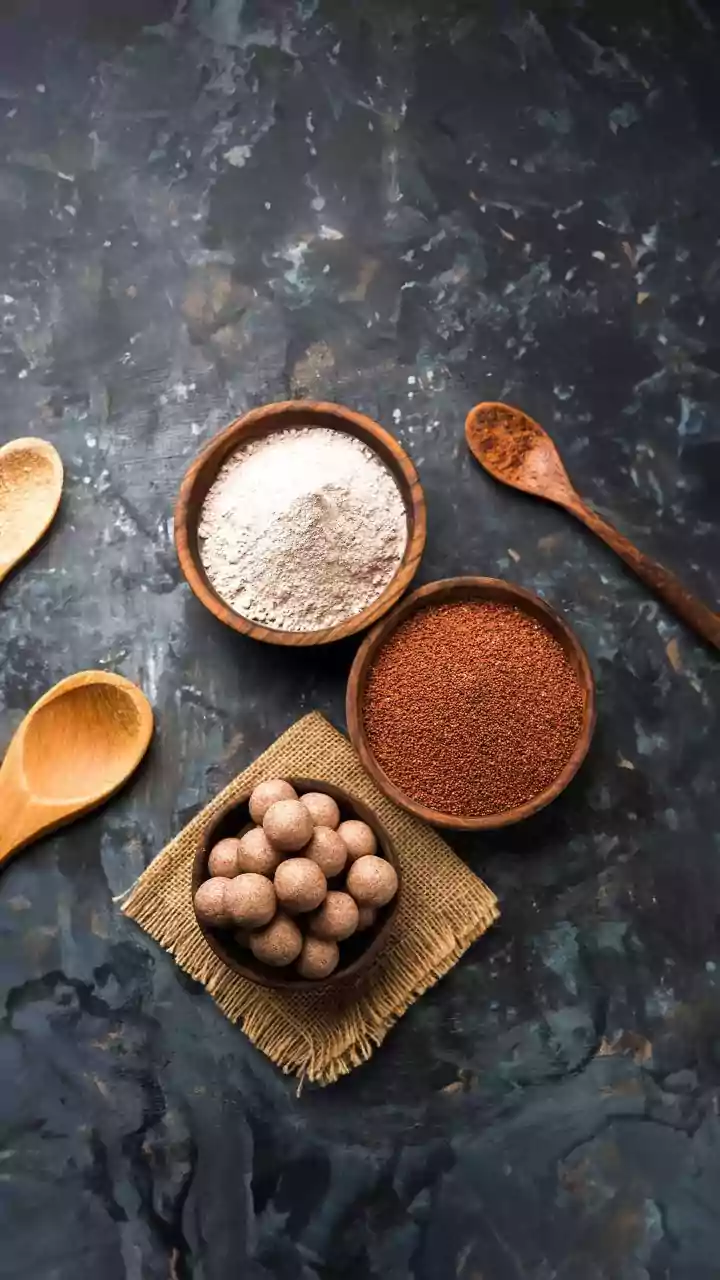
The primary appeal of jackfruit seed flour lies in its impressive nutritional profile. It is notably high in protein and fibre, often surpassing many common gluten-free flours like rice or tapioca. Some studies have found its protein content to be higher than that of wheat, ragi, and maize flour. Besides protein, it's a rich source of starch, B-complex vitamins, and essential minerals like potassium and magnesium. This dense nutrient combination makes it an attractive ingredient for enhancing the health quotient of everyday baked goods.
The Gluten-Free Advantage
The demand for gluten-free products in India is on a steady rise, driven by increasing diagnoses of celiac disease and a growing wellness movement. Jackfruit seed flour is naturally gluten-free, making it an excellent alternative for those with gluten sensitivity or intolerance. Unlike some gluten-free flours that can be gritty or have a strong aftertaste, jackfruit seed flour has a relatively neutral, slightly nutty flavour that blends well in various recipes. Its inherent binding properties, due to its starch content, also help improve the structure of gluten-free baked goods, which can often be a challenge.
How It Performs in the Kitchen
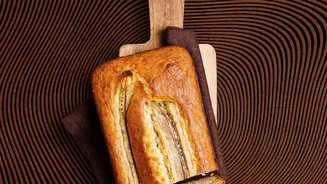
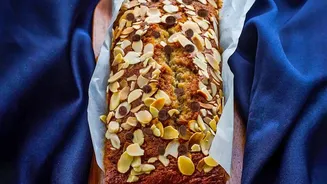
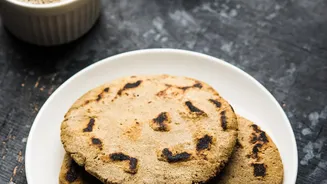
So, how does it actually bake? Because it lacks gluten, jackfruit seed flour doesn't behave exactly like wheat. It has excellent water and oil absorption capabilities, which can help with moisture retention. However, using it as a 100% substitute for wheat can result in denser, harder textures, especially in breads and cakes that rely on gluten for structure and volume. Bakers are finding the sweet spot by using it in composite flour blends. Studies and anecdotal evidence show that substituting 10-25% of wheat flour with jackfruit seed flour can significantly boost the protein and fibre content of products like cookies, muffins, and even phulkas without negatively impacting taste and texture. In fact, some sensory panels have preferred the taste of biscuits made with a small percentage of this novel flour.
A Sustainable and Smart Choice
Beyond nutrition, the shift towards jackfruit seed flour is rooted in sustainability. The jackfruit tree itself is a climate-resilient, low-maintenance crop that requires minimal irrigation or pesticides. Utilising the seeds reduces food waste and creates a value-added product from a resource that is abundant in many parts of India. This aligns perfectly with a growing consumer desire for food choices that are not only good for their bodies but also for the planet.