





From Likes to Live Buys
Social shopping, or social commerce, is the seamless integration of e-commerce directly into social media platforms. Unlike traditional e-commerce where you search for a product on a website like Amazon or Flipkart, social commerce is built on discovery.
You might see a creator's video featuring a new lipstick, an ad for a dress in your feed, or a product shared in a WhatsApp group, and you can purchase it, often without ever leaving the app. This model merges content, community, and commerce, transforming passive browsing into an active shopping experience. It leverages trust and engagement, turning social interactions into transactions. Platforms like Instagram, Facebook, and YouTube are no longer just for brand awareness; they are becoming primary sales channels.
The Perfect Storm for Growth
Several factors have created the ideal conditions for social commerce to flourish in India. The country has one of the world's largest and most active social media user bases, with deep internet penetration and affordable data plans making access widespread. The massive adoption of smartphones is a key driver, with mobile-first design playing a huge role in conversions. Added to this is the power of the creator economy. Influencers and content creators, especially regional ones using local languages, build strong communities based on trust, which is a powerful currency in commerce. Their recommendations feel more authentic than traditional advertising, encouraging followers to make purchases. Finally, the Unified Payments Interface (UPI) has revolutionized digital payments, making micro-transactions frictionless and empowering small sellers.
Powering 'Bharat': Beyond the Metros
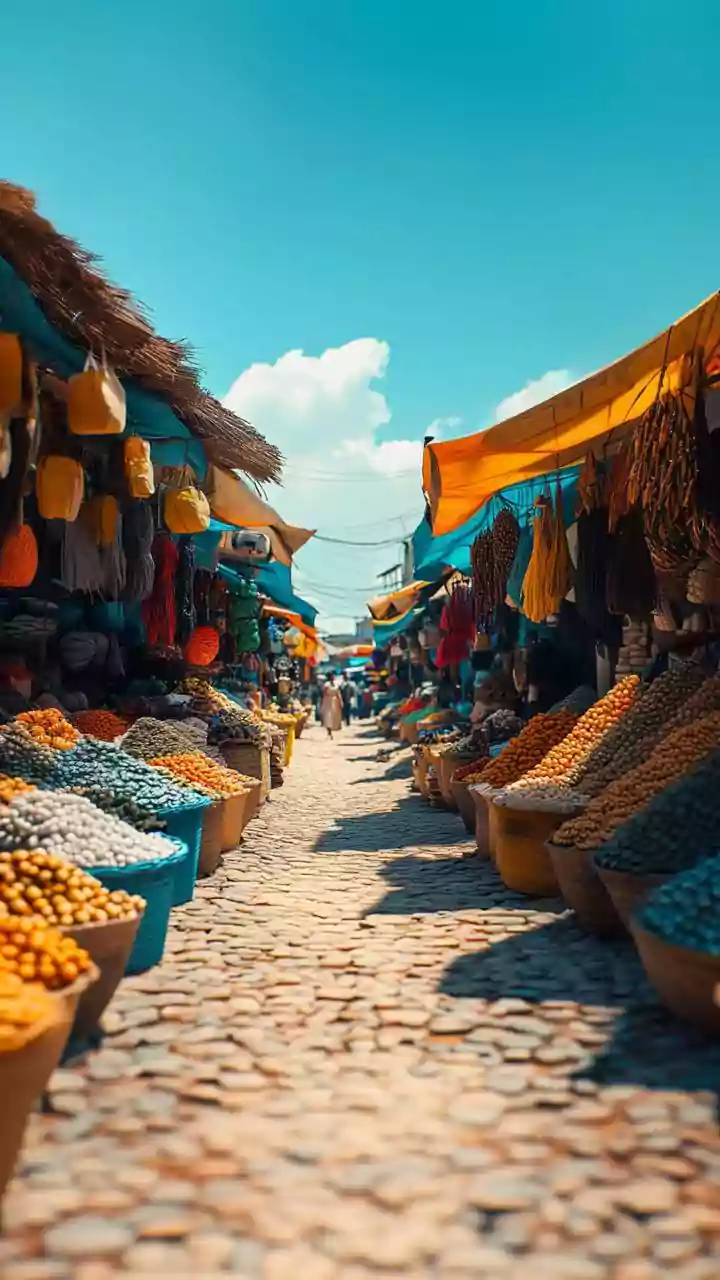
A significant part of social commerce's growth story is its incredible traction in Tier-2, Tier-3, and even smaller rural markets. For millions of first-time internet users in 'Bharat', social commerce is their first introduction to online shopping, leapfrogging traditional e-commerce. Platforms like Meesho, which started as a reseller network primarily for homemakers, have successfully tapped into this value-conscious market. These platforms offer low-priced goods, operate with a zero-commission model for sellers, and build trust through features like easy returns and cash-on-delivery. This model empowers micro-entrepreneurs and small businesses, providing them with nationwide market access with minimal investment.
The Rise of Live and Chat Commerce
Two formats, in particular, are supercharging the social shopping experience: live commerce and chat commerce. Live commerce, or live stream shopping, merges entertainment with instant gratification. Influencers or brand representatives host live video sessions showcasing products, answering questions in real-time, and offering limited-time deals, which creates a sense of urgency and community. Fashion and beauty are dominant categories here, as demonstrations are highly effective. Simultaneously, chat commerce, primarily through WhatsApp, is becoming a core part of the buying journey. Many transactions, from initial inquiry to final purchase, happen within a chat, leveraging the personal trust associated with the messaging platform. This conversational approach is particularly effective in India, where relationship-based selling is deeply ingrained.
A Reshaped Retail Landscape
The growth of social commerce is undeniable, with some market forecasts projecting the Indian market to be worth tens of billions of dollars within the next few years. Major players like Meta (Instagram, Facebook, WhatsApp), Google (YouTube), and large e-commerce marketplaces like Flipkart (with Shopsy) and Amazon (with its acquisition of GlowRoad) are all investing heavily in this space. This isn't just a trend for small D2C brands anymore; it's a fundamental shift in retail strategy. While challenges around logistics, quality control, and managing returns remain, the trajectory is clear. Social commerce is becoming an operational infrastructure for retail, not just a marketing campaign.