

The End of the Showroom Look
There was a familiar comfort in buying a complete set of furniture. The three-seater sofa, two single-seaters, and a coordinating coffee table made decorating simple and predictable. This approach offered a sense of order and status, ensuring everything
matched perfectly, much like a uniform. However, this often resulted in homes that looked more like catalogue displays than lived-in spaces. That era is now fading as homeowners question the 'one-size-fits-all' approach. The focus is shifting from rooms that are simply furnished to spaces that feel curated over time, reflecting a life lived rather than a single shopping trip. Designers and homeowners alike are realising that a home's true value lies not in its flawless coordination, but in its ability to tell a story.
A Canvas for Self-Expression
This shift in decor is deeply connected to a broader cultural change. Just as fashion has long been a tool for self-expression, interiors are now becoming the new canvas. Homeowners, particularly millennials and Gen Z, want their spaces to reflect their travels, experiences, and cultural history. Social media platforms like Instagram and Pinterest have played a huge role, exposing people to global design trends and giving them the visual language to express what they want. People no longer just decorate; they 'curate experiences' within their homes. The pandemic also fundamentally changed our relationship with our living spaces, turning them into offices, schools, and gyms, which made people hyper-aware of how their homes could better serve their needs and reflect their identity.
The New Design Language: Mix, Don't Match
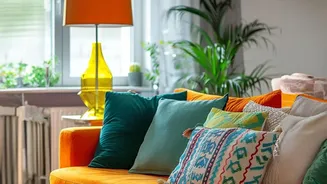
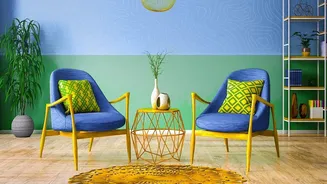
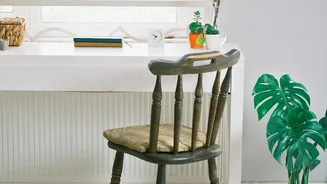
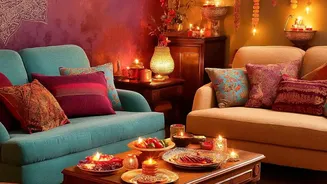
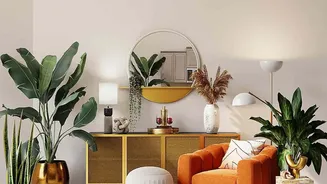
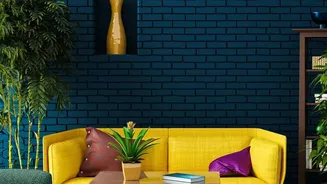
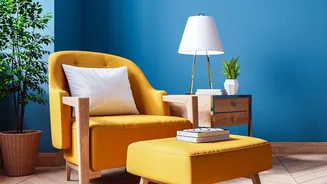
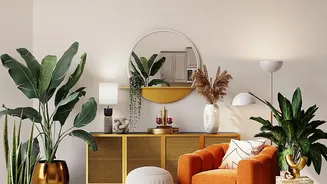
So, what is replacing the matching set? The answer is an eclectic mix of styles, textures, and eras. This doesn't mean chaos; it's a thoughtful curation where different pieces are connected by a common thread, like a colour palette, a material, or a theme. A contemporary sofa might be paired with a vintage wooden armchair and a sculptural side table. Global trends like the Japanese philosophy of 'Wabi-Sabi'—finding beauty in imperfection—are being blended with Indian heritage pieces to create sophisticated, grounded interiors. We're also seeing a rise in 'maximalism', which celebrates abundance with bold colours, layered patterns, and meaningful collections, rejecting the starkness of minimalism. The goal is to create visual harmony from different elements, making a space feel dynamic and unique.
It's More Than Just Furniture
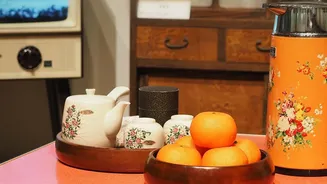
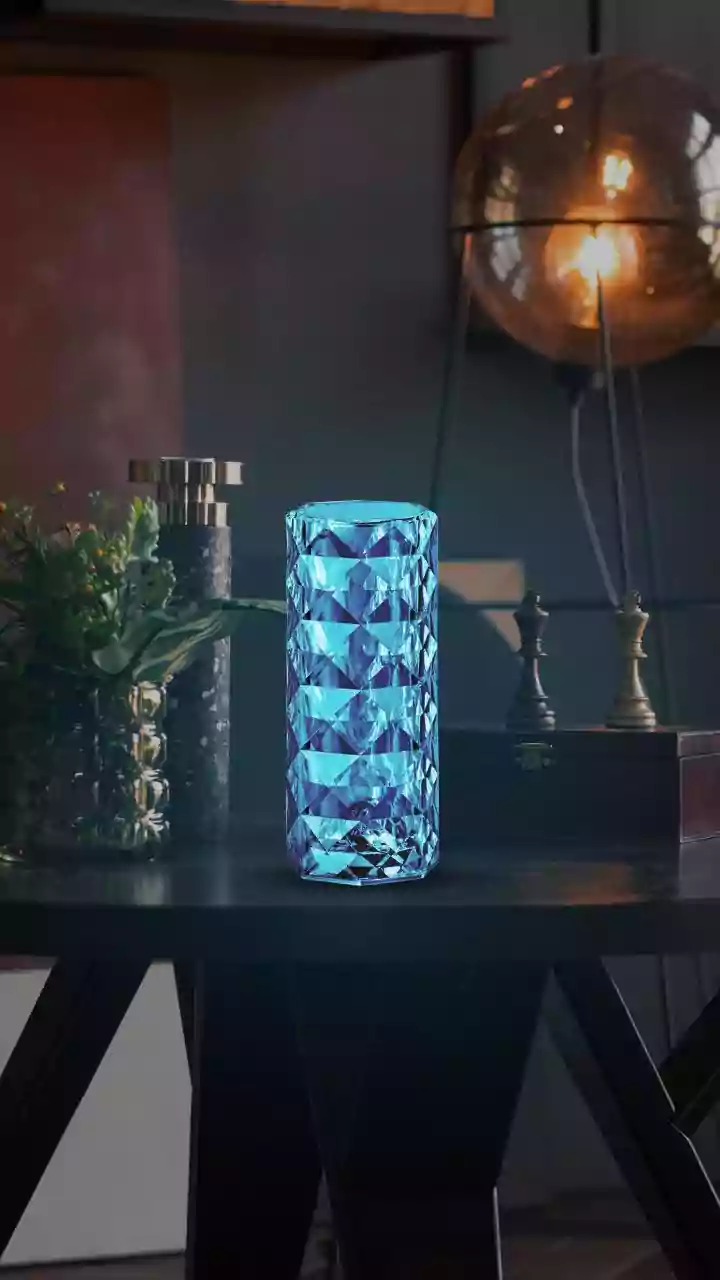
This trend extends far beyond the sofa and chairs. It's about the entire sensory experience of a home. Homeowners are investing in quality over quantity, choosing fewer but better pieces that are built to last. There's a renewed appreciation for local artistry and handcrafted items. Mass-produced wall art is being replaced by single, meaningful pieces like a Madhubani painting or a hand-thrown ceramic plate. Lighting is now layered, with ambient, task, and accent lights creating mood and drama instead of a single, uniform overhead fixture. Even functional items are expected to have character, with a move towards multifunctional furniture that saves space without sacrificing style.
How to Embrace Your Personal Style
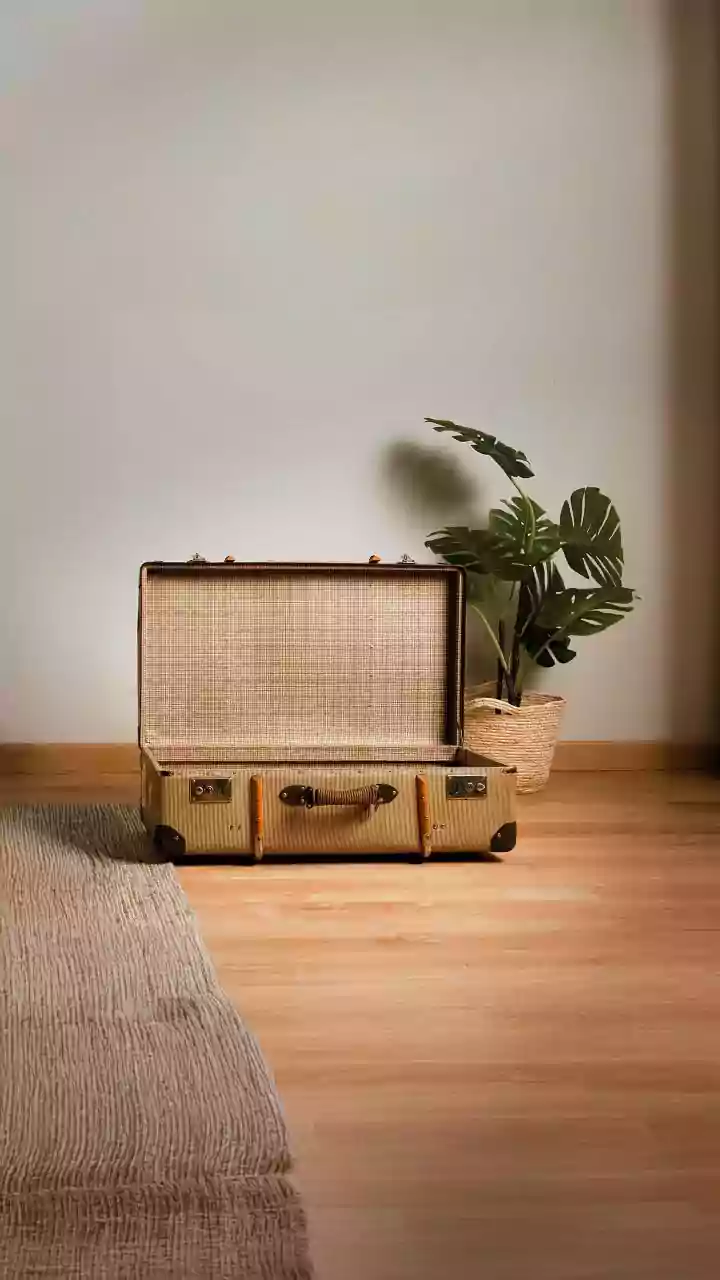
Adopting this new approach doesn't require a complete overhaul. The key is to start building a space that feels authentic to you. Begin by incorporating pieces that have personal meaning—an inherited bench, a souvenir from a trip, or artwork from a local artisan. Don't be afraid to mix old and new. A contemporary piece can beautifully complement a traditional or antique item. Use textiles like cushions, rugs, and throws to experiment with colour and pattern without a huge commitment. Most importantly, remember that your home is an evolving reflection of your life. The goal is no longer perfection, but personality. The highest compliment a home can receive today isn't that it looks expensive, but that it 'feels like you'.