






The Search for Authentic Connections
The modern traveller is no longer content with being a passive observer. There is a growing hunger for genuine cultural immersion, moving away from standard sightseeing circuits toward experiences that foster real human connection. This trend is driven
by a desire to understand the soul of a place, not just see its monuments. Instead of simply viewing a temple from a distance, travellers now want to take a cooking class in a local Amritsari home, learn the art of block printing from an artisan in a Gujarati village, or share a traditional 'sadya' meal on a banana leaf in a Keralan household. These participatory activities are becoming the main reason for a journey, reversing the old model where experiences were just a byproduct of visiting a destination. This quest for authenticity is reshaping the tourism landscape, with homestays in regions like Uttarakhand and Himachal Pradesh seeing a surge in interest as they offer a window into rural lifestyles and traditions.
Sustainable and Responsible Tourism Takes Root
A rising tide of environmental and social awareness is influencing how people choose to travel. Today’s tourists are increasingly conscious of their footprint, seeking to support local economies and preserve the cultural and natural heritage of the places they visit. This has led to the growth of sustainable tourism, a market in India projected to expand significantly. The focus is on ensuring that tourism revenue benefits the host communities directly, countering the issue of 'tourism leakage' where money flows to international operators instead of locals. Community-led tourism is emerging as a powerful model, where villagers become the architects of the visitor experience, not just subjects within it. Initiatives in places like Bastar, Chhattisgarh, are promoting homestays and experiences centered around tribal culture, local food, and handicrafts, creating employment for guides, artisans, and performers. This approach transforms travel into a force for good, fostering preservation and providing sustainable livelihoods.
The Lure of Adventure and Untouched Nature
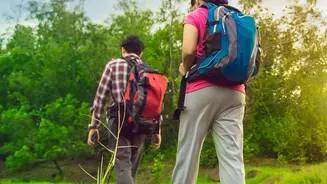
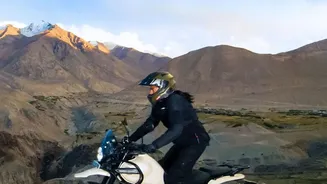
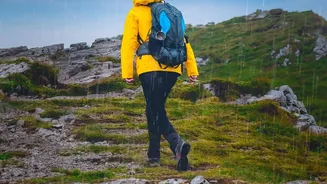
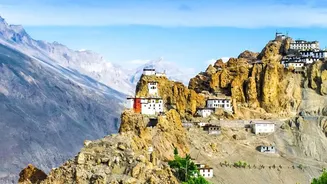
As popular destinations become more crowded, many are seeking refuge in India's vast, untouched landscapes. This has fueled a boom in adventure and nature-based travel, with activities like trekking in the Himalayas, kayaking in serene backwaters, and exploring remote national parks gaining immense popularity. Destinations once considered remote, such as Spiti Valley, Zanskar, and parts of Arunachal Pradesh, are now sought after for their raw, pristine beauty and the sense of true escape they offer. Travellers are drawn to the tranquility of places like Thachi Valley in Himachal Pradesh, where the only sounds are those of nature, or the unique biodiversity of the Valley of Flowers in Uttarakhand. This trend is not just about adrenaline; it's also about wellness and disconnecting from a fast-paced digital world. Quiet moments spent birdwatching, stargazing, or simply being present in nature have become destinations in themselves.
A Generational Shift Powered by Digital Discovery
The move towards offbeat travel is being championed by a younger generation of travellers, particularly Gen Z and millennials. This demographic, which now makes independent travel decisions, prioritises unique experiences over traditional sightseeing. Their travel choices are heavily influenced by social media platforms like Instagram and YouTube, which have become primary sources for travel inspiration. Influencers and user-generated content play a significant role, promoting lesser-known places and creating a digital word-of-mouth that can turn a hidden gem into a trending destination. Paradoxically, while the goal is often to find authentic, 'off-the-grid' experiences, the journey there is powered by digital tools. This generation is adept at planning their own trips, using online resources to discover everything from homestays to local workshops, fundamentally changing how journeys are researched and booked.