


Conduct a Home Water Audit
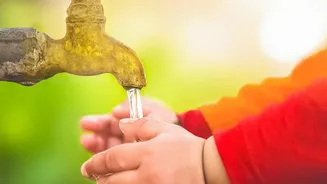
The first step to saving water is knowing where you're losing it. Leaks are a major source of silent water wastage in homes. A dripping tap might seem minor, but it can waste thousands of litres annually. Start by performing a simple check. Note your
water meter reading, avoid using any water for an hour, and then check the meter again. If the reading has changed, you have a leak. Inspect common culprits like kitchen and bathroom taps, pipes under the sink, and toilet flush tanks. A simple way to check for a toilet leak is to add a few drops of food colouring to the cistern; if the colour appears in the bowl without flushing, you have a leak that needs fixing. Addressing these small drips is often a low-cost, high-impact way to begin your water-saving journey.
Upgrade to Water-Saving Fixtures
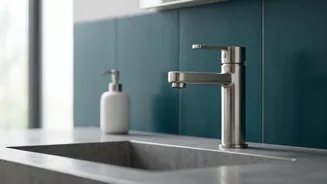
Modern plumbing offers fantastic opportunities for conservation without sacrificing performance. Consider installing low-flow aerators on your taps, which can reduce water flow by mixing air with water, maintaining pressure while using significantly less. Upgrading your toilet to a dual-flush model is another powerful change. These systems use a smaller amount of water for liquid waste and a full flush only when necessary, saving thousands of litres each year. Similarly, water-efficient showerheads can drastically cut down on water usage during bathing, a major point of consumption in any household. These upgrades are investments that pay for themselves through lower water bills and a reduced environmental footprint.
Adopt Smarter Kitchen Habits
The kitchen is another area where small behavioural changes yield big results. Instead of washing fruits and vegetables under a running tap, use a bowl of water. The leftover water can then be used for watering houseplants. When washing dishes by hand, soak pots and pans first to loosen food, and avoid letting the tap run while you scrub. If you have a dishwasher, make sure to run it only with a full load for maximum efficiency. A significant source of reclaimable water in many Indian homes is the wastewater from Reverse Osmosis (RO) purifiers. For every litre of purified water, an RO system can reject two to three litres. This reject water, while not fit for drinking, is perfect for mopping floors, flushing toilets, or washing your car.
Optimise Your Laundry Routine
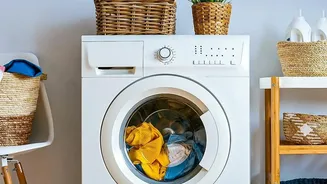
Washing machines are significant water consumers. The most effective way to reduce water use in the laundry is to run your machine only when you have a full load. Washing several small loads uses considerably more water and energy than one large load. Many modern machines also come with eco-friendly or water-saving settings that adjust the water level based on the weight of the laundry—make use of them. For an extra saving step, the final rinse water, which is relatively clean, can be collected and used for cleaning floors or washing balconies.
Harness the Last of the Rains
Even as the monsoon season ends, you can capture the last of the rainfall. Rainwater harvesting doesn't have to be a complex, large-scale system. You can start small by placing barrels or large tanks under downspouts to collect runoff from your roof or balcony. This collected water is excellent for non-potable uses like watering your garden, cleaning outdoor areas, or washing your vehicle. Ensure any collection containers are covered to prevent mosquito breeding. This practice not only saves fresh water but also reduces runoff into storm drains.