


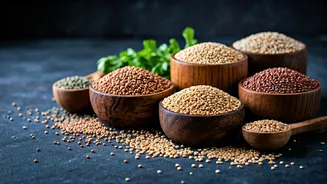


Meet the Ancient Supergrain: Barnyard Millet
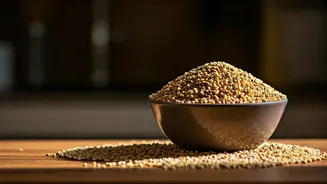
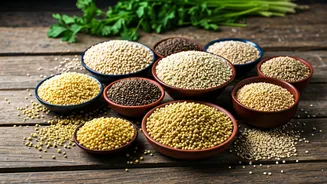
Known by many names across India—like Sanwa, Jhangora, Kuthiravali, and Oodalu—barnyard millet is a small, white, round grain that has been cultivated for centuries. [19] Traditionally consumed during fasts, this hardy crop is now gaining recognition
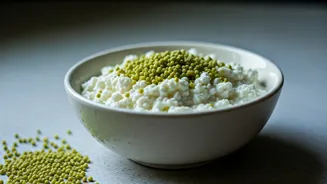
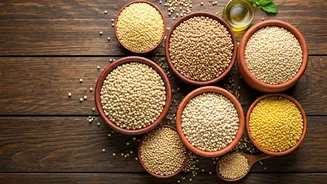
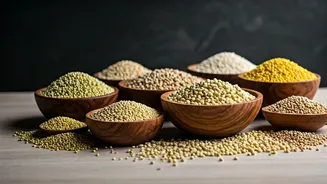
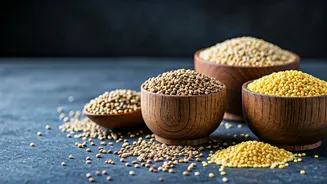
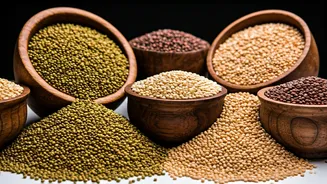
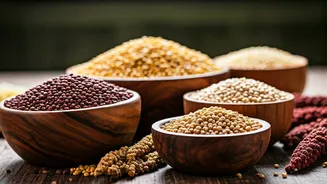
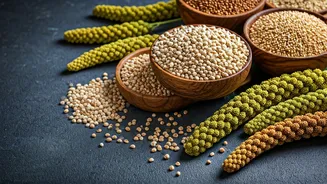
as a nutritional powerhouse perfect for everyday meals. [3] Unlike more common grains, it's naturally gluten-free and packed with nutrients, making it an excellent and intelligent addition to the modern Indian kitchen. [3, 5] Its ability to thrive in poor soil with less water also makes it an environmentally friendly choice for farmers and consumers alike. [7]
The Case Against White Rice
For generations, white rice has been a staple, the default grain for countless dishes, including curd rice. However, the polishing process that gives white rice its familiar appearance strips away the bran and germ, removing a significant portion of its fiber, vitamins, and minerals. [18] What’s left is mostly simple starch, which can lead to rapid spikes in blood sugar. White rice has a high glycemic index (GI), often around 70 or higher, meaning it releases sugar into the bloodstream quickly. [13] While it provides quick energy, it lacks the sustained benefits of whole grains and offers very little dietary fiber, with some sources noting as little as 0.4 grams per 100g. [13, 18]
The Barnyard Millet Nutritional Advantage
This is where barnyard millet truly shines. It boasts a very low glycemic index, with values reported to be as low as 41. [2] This means it releases energy slowly, helping to maintain stable blood sugar levels, making it an ideal grain for everyone, including those managing diabetes. [12] Nutritionally, it's a star. A 100g serving contains around 10-11g of protein and, most impressively, about 10g of dietary fiber. [2, 3] That’s significantly more fiber than polished white rice, which is crucial for digestive health, keeping you feeling full longer, and aiding in weight management. [15, 18]
More Than Just Fiber
Beyond its incredible fiber content, barnyard millet is rich in essential minerals. It is a good source of iron, which is vital for maintaining healthy hemoglobin levels and fighting fatigue. [10, 18] It also provides a healthy dose of calcium, magnesium, and phosphorus, all of which are important for bone health, heart function, and overall cellular repair. [3, 11] Its protein content is easily digestible, and it's packed with antioxidants that help protect the body from cellular damage. [8, 19] This impressive nutrient profile makes it a far superior choice to empty-calorie refined grains. [21]
A Perfect Swap for Creamy Curd Rice
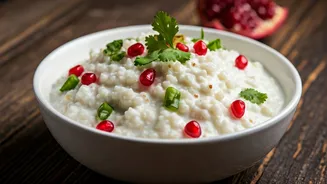
But is it a good substitute in curd rice? Absolutely. When cooked, barnyard millet becomes soft and slightly mushy, a texture that is perfect for absorbing yogurt and spices. [1, 4] It mimics the comforting consistency of traditional curd rice while adding a subtle, slightly nutty flavor. Because it absorbs liquids so well, you get a creamy, flavourful dish every time. Whether you mash it slightly after cooking or keep the grains whole, it blends beautifully with the tang of the curd and the aroma of the tempering, proving that a healthy switch doesn't have to mean a compromise on taste or texture. [4]
Making the Switch: A Simple Guide
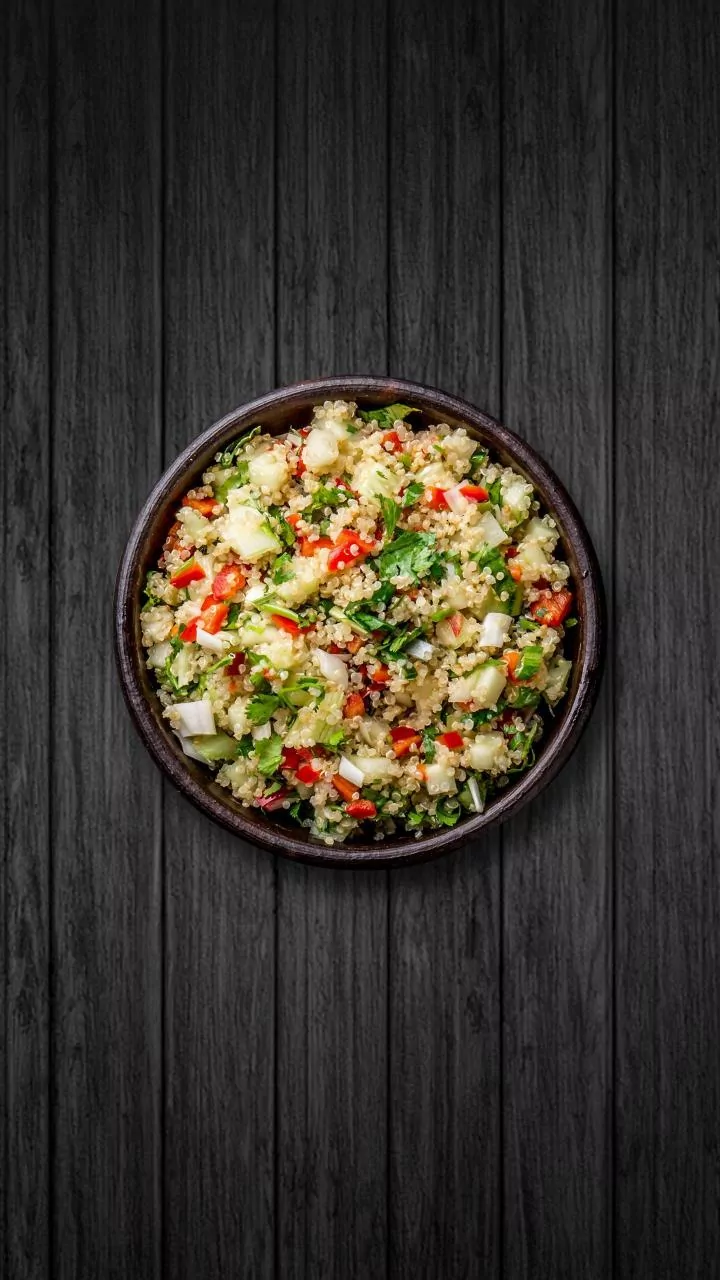
Preparing barnyard millet curd rice is just as easy as making the traditional version. Start by rinsing the millet thoroughly. For cooking, a general ratio is one part millet to two or three parts water. You can cook it in a pressure cooker for about 2-3 whistles or in an open pot for 10-15 minutes until it's soft and fully cooked. [1, 4] Once cooked, let it cool to room temperature before mixing in the yogurt to prevent it from splitting. [1] Add salt, milk for extra creaminess if desired, and your favorite tempering of mustard seeds, curry leaves, and a pinch of asafoetida. [1, 16] Garnish with pomegranate seeds or grated carrots for a refreshing finish.