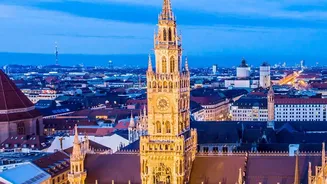





First, The 'When' and 'What'
Oktoberfest, despite its name, primarily takes place in September. This was a historical decision to take advantage of better weather. For 2027, the festival is scheduled to run from Saturday, September 18, to Sunday, October 3. It all kicks off at noon
on the first Saturday when the Mayor of Munich taps the first keg, shouting "O'zapft is!" ("It's tapped!"). The event is held on a massive fairground called Theresienwiese, or "Wiesn" to locals. Entry to the grounds is free; you pay for what you consume and experience inside. The scale is immense, with more than six million people attending each year, transforming Munich into the world's liveliest party.
Planning Your Trip From India
For Indian travellers, planning is key. You will need a Schengen visa, and it's wise to apply months in advance, as processing times can lengthen before major European events. Direct flights connect major Indian cities like Delhi and Mumbai to Munich, but prices surge during the festival period. To secure reasonable fares and accommodation, booking six to nine months ahead is highly recommended. Hotel prices in Munich can double or triple, so consider staying in well-connected suburbs like Unterschleissheim, which offer easier train access at a lower cost. A weekday visit is often calmer and more manageable than the packed opening and closing weekends.
Navigating the Famous Beer Tents
The heart of Oktoberfest lies in its enormous beer tents, each run by one of Munich's six official breweries and seating thousands of people. Securing a spot can be a challenge. While a quarter of the seats are kept for walk-ins, tents often close due to overcrowding, especially on evenings and weekends. Without a reservation, the best strategy is to arrive early—think 9 a.m. on a weekend or before noon on a weekday. Table reservations are free but must be made directly with the individual tents months in advance (usually starting in the spring) and require buying food and drink vouchers. These are typically sold for full tables of 8-10 people. Remember, you can only be served if you have a seat, and cash is still king in many tents.
It's More Than Just Beer
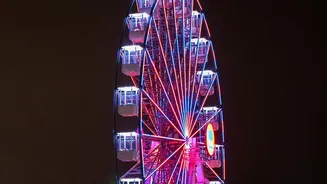
Oktoberfest is a full-blown cultural festival, not just a drinking event. The grounds host a massive carnival with everything from thrilling roller coasters to a giant Ferris wheel offering stunning views of the festival. You can immerse yourself in Bavarian culture by watching the traditional costume and riflemen's parades, which feature thousands of participants. Food is a major attraction, with stalls selling roasted chicken (Hendl), giant pretzels, and pork knuckles. Vegetarians can enjoy options like Käsespätzle (cheese noodles) and Obatzda (a cheese dip). There's also the Oide Wiesn, or "Old Oktoberfest," a separate section with historical rides and a more nostalgic feel, perfect for families or those seeking a calmer atmosphere.
Building a Broader Germany Itinerary
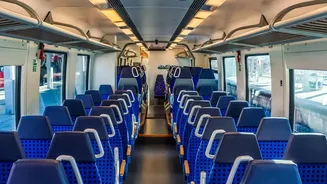
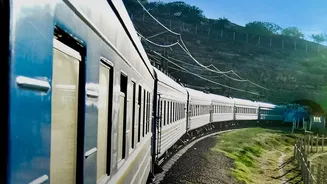
Munich serves as the perfect anchor for a wider German adventure. After a few days at the festival, you can explore the city's other sights, such as Marienplatz and the English Garden. From Munich, iconic day trips are easily accessible. A two-hour train ride takes you to the fairytale Neuschwanstein Castle, though booking tickets online in advance is essential. The state-wide Bayern Ticket offers affordable day travel across Bavaria for exploring nearby towns. You could also venture further, taking a scenic train to Salzburg in Austria, or exploring Germany's "Romantic Road" with its medieval villages. Planning your trip this way ensures the festival is the high-energy peak of a culturally rich and diverse German holiday.