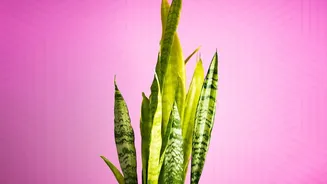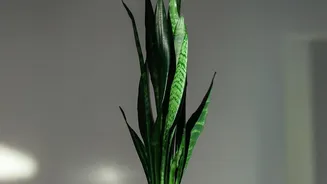



Snake Plant (Sansevieria trifasciata)
The Snake Plant is nearly indestructible, making it a top choice for both beginners and busy homeowners. Its upright, architectural leaves take up very little floor space, fitting perfectly into tight corners. During the monsoon, its low water needs are
a huge advantage; it's more tolerant of the soil drying out slowly in humid weather, reducing the risk of root rot which is a common issue. This plant is also a powerful air purifier, filtering indoor toxins. For care, simply water only when the top inch or two of soil is completely dry and place it in anything from low light to bright, indirect sunlight.
ZZ Plant (Zamioculcas zamiifolia)
If you worry about forgetting to water your plants, the ZZ Plant is for you. It is exceptionally drought-tolerant and thrives on neglect. Its ability to store water in its rhizomes means it's well-equipped to handle the slower soil-drying times of the wet season. The ZZ Plant's glossy, dark green leaves bring a touch of polished elegance to any room without demanding much light, a useful trait for overcast monsoon days. It maintains a neat, compact form, making it an excellent addition to a small desk or side table. Water it sparingly, allowing the soil to dry out completely between waterings to prevent rot.
Money Plant (Epipremnum aureum)
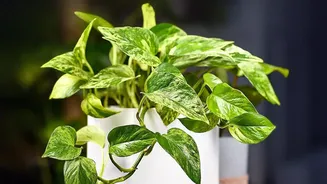
A staple in many Indian households, the Money Plant, or Pothos, is famously easy to grow. It loves the high humidity of the monsoon season, which encourages its lush, trailing vines to grow quickly. For compact homes, its versatility is a major plus. You can let it trail from a hanging basket, cascade down a bookshelf, or train it to climb up a small trellis, keeping its footprint minimal. It's adaptable to various light conditions but prefers bright, indirect light. During the rains, be extra cautious not to overwater; check that the soil is dry to the touch before giving it a drink.
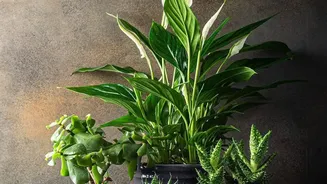
Peace Lily (Spathiphyllum)
The Peace Lily is a fantastic choice for the rainy season as it is known to absorb excess moisture from the air, helping to reduce dampness and prevent mould. Its elegant white blooms can brighten up any room, offering a cheerful contrast to gloomy weather. This plant communicates its needs clearly; it droops slightly when it needs water, taking the guesswork out of your care routine. It prefers shaded spots and consistently moist soil, but good drainage is crucial to avoid waterlogging during the humid months. Its manageable size makes it suitable for tabletops and floor corners.
Spider Plant (Chlorophytum comosum)
Spider Plants are renowned for their air-purifying capabilities and forgiving nature. They have a graceful, arching form and produce charming baby plantlets, or 'spiderettes', that can be easily propagated. These plants handle the high humidity of the monsoon well and can tolerate a bit of extra moisture, although they still require good drainage. They are not demanding about light and their contained, fountain-like growth habit makes them ideal for hanging baskets or placing on a stool, keeping floor space clear in a small home.
Aglaonema (Chinese Evergreen)
Aglaonema, or Chinese Evergreen, is another plant that adapts well to the high humidity and lower light conditions characteristic of the Indian monsoon. Available in a variety of striking leaf patterns and colours, from deep greens to pinks and reds, it can add a vibrant splash of colour to your interiors. These plants are relatively compact and slow-growing, ensuring they won’t quickly outgrow their space. They prefer the soil to be kept lightly moist, but it's important to reduce watering frequency during the rains and ensure the pot has excellent drainage to keep the roots healthy.
Monsoon Care Essentials
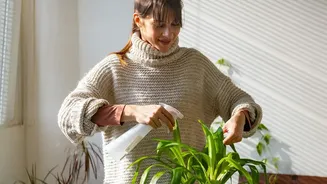
No matter which plants you choose, a few general rules apply during the wet season. The biggest mistake is overwatering. With high humidity, soil dries much slower, so always check the topsoil with your finger before watering. Ensure every pot has drainage holes and empty any collected water from saucers underneath. Pests and fungi thrive in damp conditions, so periodically wipe leaves and check for any signs of trouble. Finally, try to place your plants closer to windows where they can catch as much indirect sunlight as possible on cloudy days.