



Why 'How Much' Matters
In a culture where food is a love language, we often focus on what we eat, but 'how much' we eat is just as crucial. Traditional Indian meals can be perfectly healthy, but modern habits like using oversized plates and second (or third) helpings of carb-heavy
items can lead to overeating. Food literacy isn't about restrictive dieting; it’s about understanding food to make informed choices. Mastering portion control is a sustainable skill that helps manage weight, improve energy levels, and reduce health risks without banning rice or ghee. It's about finding balance, not deprivation. The goal is to feel satisfied and energised, not uncomfortably stuffed.
Your Hands: The Ultimate Portioning Tool
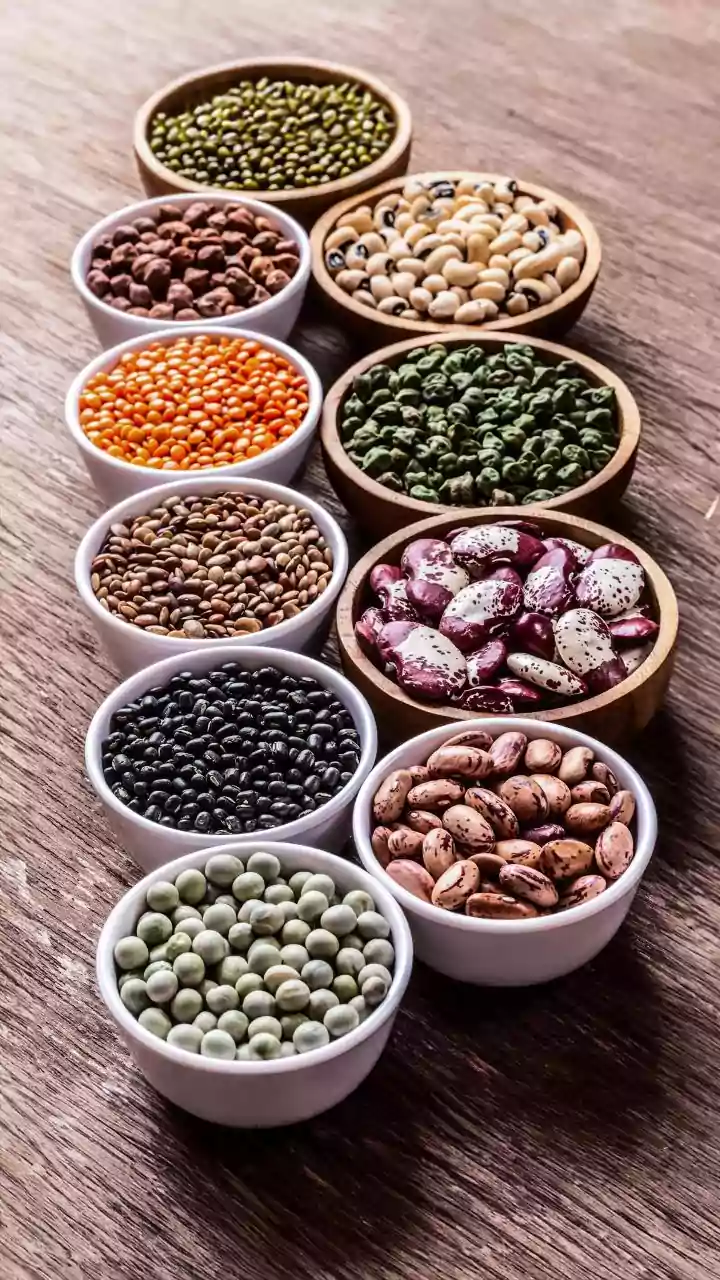
You don't need a kitchen scale for every meal; you have a perfectly good measurement tool attached to your arm. Using your hands is a simple, effective way to gauge portions that is proportional to your own body size. It's a widely recognised method that's both portable and consistent. For a balanced Indian meal, here's a simple guide: A fist-sized portion is ideal for cooked vegetables (sabzi) or a serving of rice. Use your palm (without fingers) to measure a serving of protein like paneer, chicken, or fish. A cupped handful is great for measuring dal, lentils, or even snacks like roasted chickpeas. For fats like oil, ghee, or butter, a thumb-sized serving is a good benchmark.
Building the Ideal Indian Thali
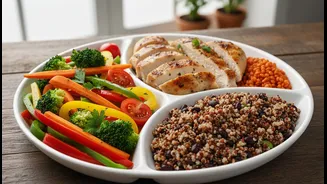
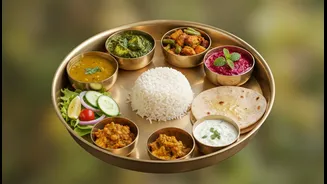
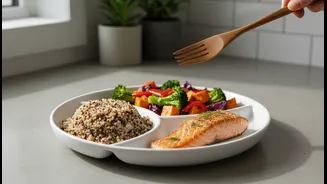
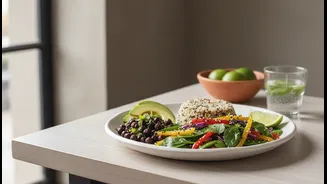
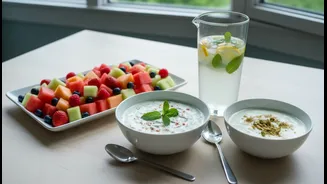
The traditional Indian thali is a masterclass in balanced eating, offering variety in small, controlled portions. To build your own healthy thali, think of your plate as a pie chart. Half of your plate should be filled with non-starchy vegetables. This could be a generous serving of bhindi, gobi, or a fresh kachumber salad. One quarter of the plate should be dedicated to protein. This is where your dal, sambar, curd, or a lean meat dish goes. The final quarter is for carbohydrates. This means one or two rotis (about the size of your palm) or a fist-sized serving of brown rice or millets. This 50-25-25 plate formula ensures you get plenty of fibre and nutrients while keeping calories in check.
Beyond the Hand: Kitchen and Mindful Cues
Beyond your hands, your everyday kitchen items can also guide you. Using smaller plates and bowls can trick your brain into feeling satisfied with less food. Instead of serving dishes at the dining table where it's easy to take extra helpings, serve plates in the kitchen. A standard 'katori' is a perfect vessel for one serving of dal or curd. Beyond physical tools, mindful eating is a powerful skill. Eating slowly, chewing thoroughly, and avoiding distractions like your phone or the TV can help you tune into your body's natural hunger and fullness signals. Often, we eat out of habit or boredom, not true hunger. Paying attention can prevent mindless overconsumption.