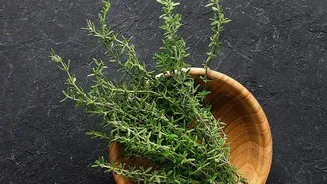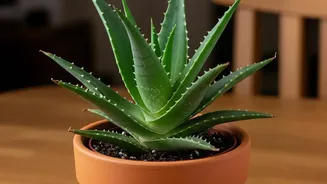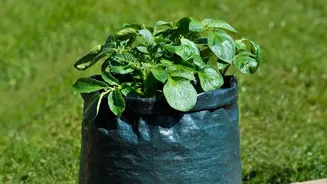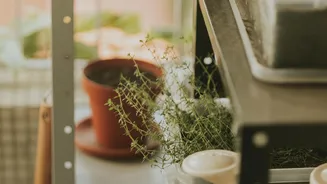


The promise of fresh thyme for your kitchen is alluring, but success begins before you even plant the herb. Many aspiring indoor gardeners are tripped up by the first, most crucial choice: the container. Here’s how to get it right.
Why Your Pot Choice is Crucial
Thyme is a Mediterranean
herb, meaning it is genetically programmed to thrive in conditions that are sunny, dry, and gritty. Its biggest enemy is excessive moisture, which leads to root rot, the most common reason thyme plants fail indoors. Unlike moisture-loving herbs like mint or basil, thyme's roots cannot tolerate sitting in soggy soil. An inappropriate container that holds too much water creates a damp environment that will quickly spell trouble for a young plant trying to establish itself. Before you consider soil, light, or fertilizer, selecting a container that promotes excellent drainage and aeration is the foundational step for a healthy, long-lasting thyme plant.
The Best Material: Terracotta
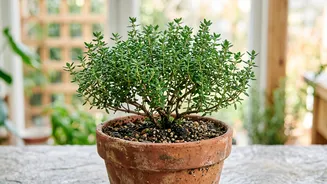
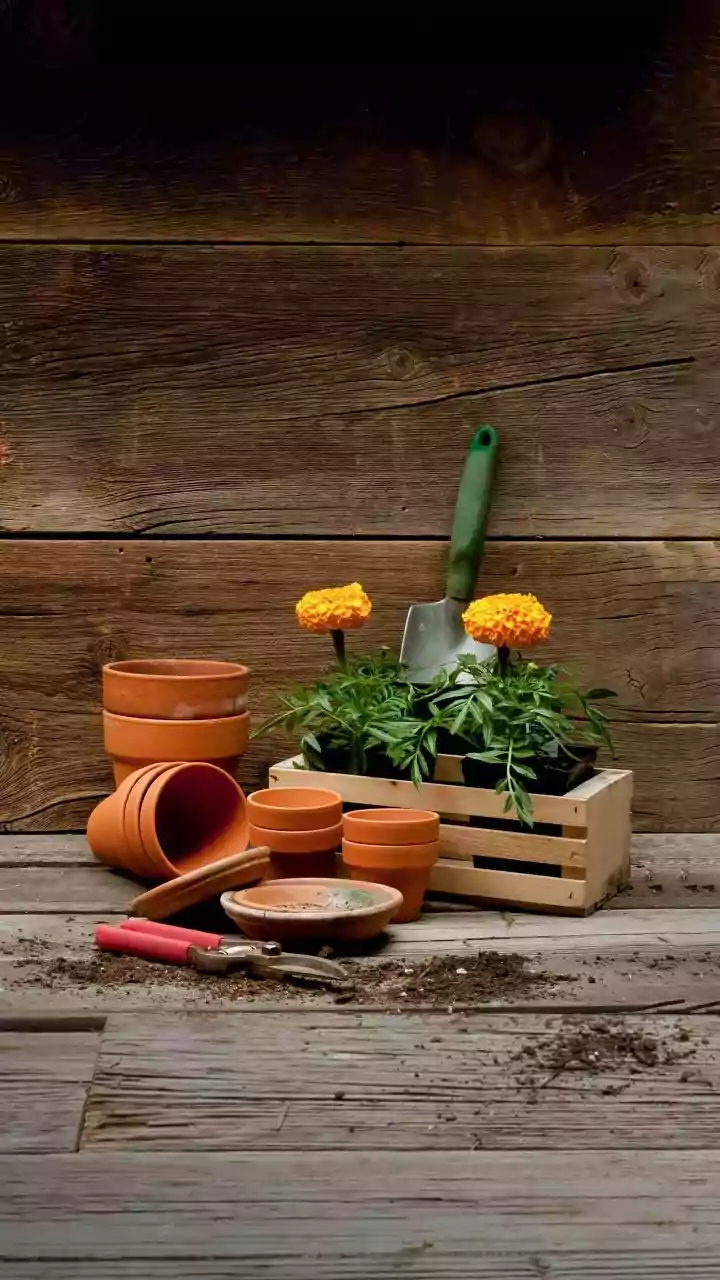
When it comes to materials, unglazed terracotta (or clay) is the undisputed champion for growing thyme. The porous nature of terracotta allows moisture and air to pass through the walls of the pot. This unique property helps the soil dry out more evenly and quickly between waterings, wicking away the excess moisture that thyme despises. While plastic or glazed ceramic pots can work, they are non-porous and hold water for much longer, increasing the risk of overwatering. If you do use a plastic pot, ensure it has multiple, ample drainage holes to compensate. But for a beginner, the forgiving nature of a simple terracotta pot provides the best insurance against waterlogged roots.
Getting the Size and Depth Right
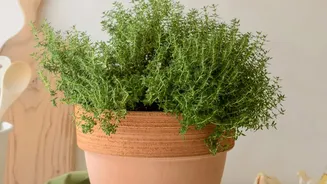
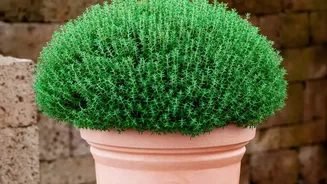
It might seem logical to give a new plant a large pot to grow into, but for thyme, this is a mistake. A pot that is too large holds a greater volume of soil, which in turn holds more moisture for longer periods. A small, establishing root system can't absorb all that water, leaving it to sit in the pot and promote rot. Thyme has a relatively shallow root system that spreads sideways, so it doesn't require a great deal of depth. For a single, young thyme plant, a pot that is approximately 6 inches in diameter and 6 inches deep is an ideal starting point. This size provides enough room for initial growth without creating a swampy soil environment.
The Non-Negotiable: Excellent Drainage
Regardless of the pot's material or size, it must have at least one large drainage hole. This is not an optional feature. Without a clear exit path, water will pool at the bottom of the container, saturating the roots. If you find a decorative pot without a hole, it should only be used as a cachepot—a decorative outer container that holds a smaller, functional pot with drainage inside. After watering, always ensure you empty any standing water from the saucer or cachepot. Some old advice suggests adding a layer of gravel to the bottom of a pot to improve drainage, but modern horticulture has shown this is ineffective and can actually hinder water from exiting the soil. A simple, unobstructed hole and the right soil mix are all you need.
Preparing the Pot for Planting
Once you have your perfect pot, the final step is the soil. Thyme prefers a lean, gritty, well-draining soil mix rather than a rich, standard potting compost. You can buy a pre-made cactus or succulent mix, or create your own by amending a quality potting soil with coarse sand or perlite to increase its porosity. When you pot your plant, whether it's a seedling you grew from seed or a starter plant from a nursery, ensure the top of its root ball is level with the surface of the new soil. Gently firm the soil around it and water lightly. By starting with the right container, you've given your thyme the best possible chance to establish itself and provide you with fresh flavour for years to come.