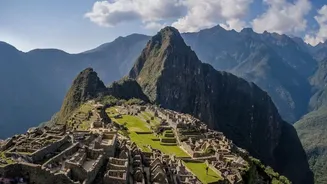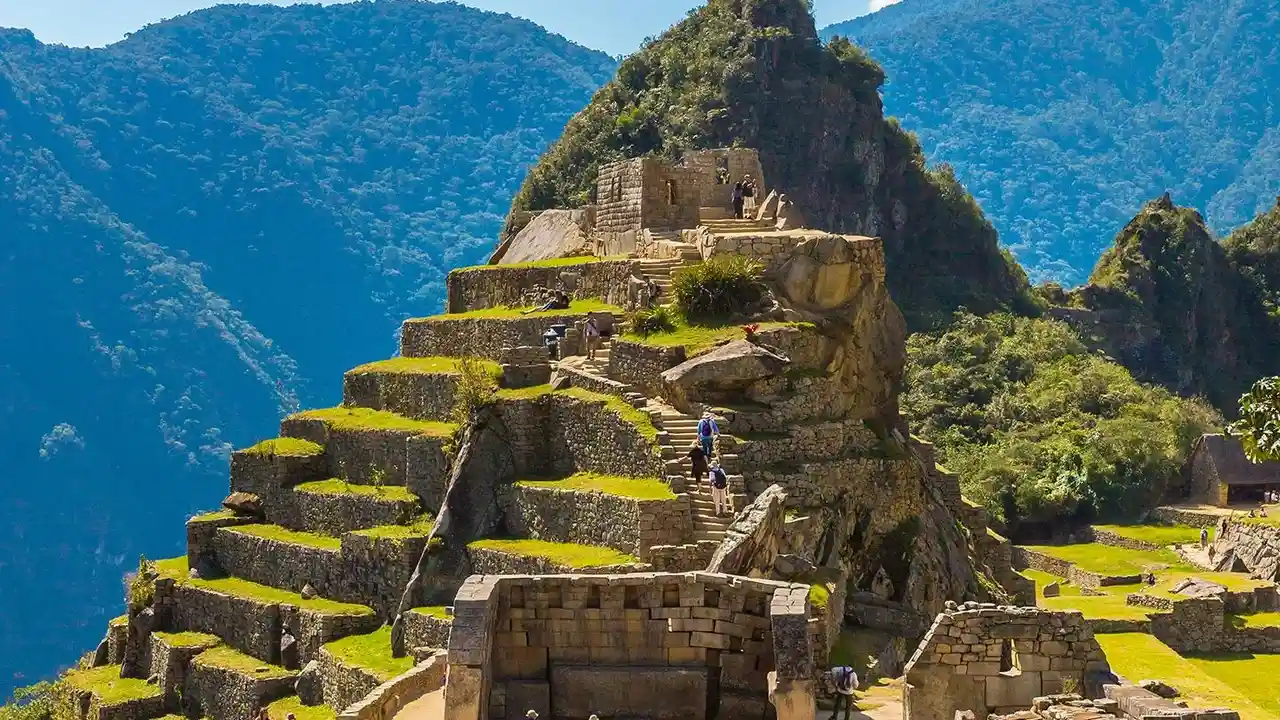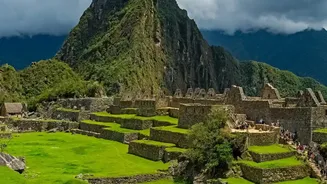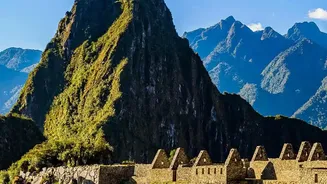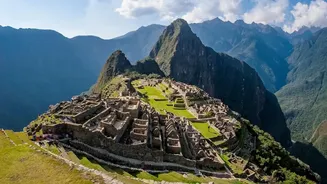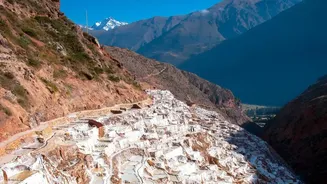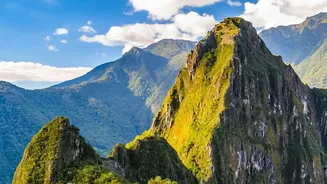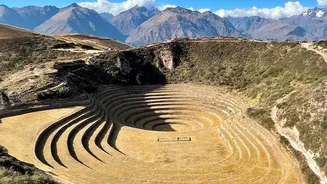



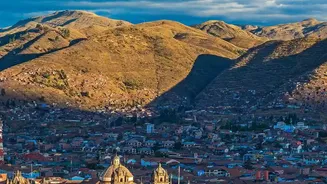
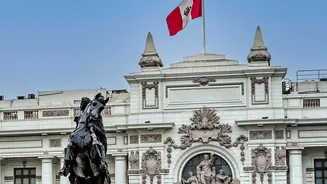
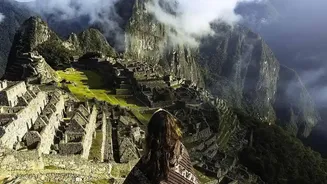
Peru's iconic sites are world-famous for a reason, but the well-trodden 'Gringo Trail' often comes with overwhelming crowds and commercialism. For a more authentic experience, the real magic lies just beyond the main tourist circuit.
The Challenge of the Tourist Trail
The classic Peruvian
tourist route—often called the 'Gringo Trail'—typically includes Lima, the Nazca Lines, Cusco, the Sacred Valley, and the crown jewel, Machu Picchu. While these destinations are undeniably spectacular, their popularity has led to significant overcrowding, especially during the peak season from June to August. Visitors often face packed trains, crowded viewpoints, and a feeling that the experience is more manufactured than magical. The term 'overrated' isn't about the sites themselves, which are historically profound, but about the modern experience of visiting them, which can be diluted by the sheer volume of people. Planning a trip beyond this circuit means trading long queues for serene landscapes and a deeper connection to the country.
For a Quieter Citadel: Choquequirao
Often called Machu Picchu’s 'sacred sister', the sprawling Inca ruins of Choquequirao offer a breathtaking alternative without the crowds. Perched dramatically above the Apurímac Canyon, this site is thought to be larger than Machu Picchu but is still being excavated. The key difference is accessibility; reaching Choquequirao requires a challenging multi-day trek, which naturally limits the number of visitors. Those who undertake the journey are rewarded with solitude, stunning mountain scenery, and the profound feeling of discovering a lost city. Unlike the Inca Trail, which requires permits booked months in advance, the trek to Choquequirao offers more flexibility for adventurous travellers seeking a more rugged and authentic experience.
Go North to the Land of the Cloud Warriors
For a complete departure from the southern circuit, Northern Peru is a treasure trove of history and natural wonder. The region was home to the Chachapoyas, a pre-Inca civilization known as the 'Cloud Warriors'. Their magnificent fortress, Kuelap, sits atop a mountain with stunning valley views. This massive stone complex features over 400 circular buildings and is often dubbed the 'Machu Picchu of the North'. Nearby, you can hike to the spectacular Gocta Falls, one of the tallest waterfalls in the world. The area is accessible via a flight from Lima to Jaén, followed by a scenic drive to the city of Chachapoyas, which serves as a base for exploring these less-visited marvels.
Planning Your Off-Circuit Adventure
Venturing off the beaten path requires a bit more planning. For northern destinations like Kuelap and Gocta, flying to Jaén or Chachapoyas is the most efficient starting point. From there, local buses and private transfers can get you to key sites. For rugged treks like Choquequirao, hiring a reputable guide and mule support is highly recommended due to the steep terrain and challenging conditions. While Cusco and Lima are generally safe for tourists who take standard precautions, exploring more remote areas means being mindful of your surroundings, arranging transport through trusted operators, and carrying some cash, as ATMs can be scarce. A basic grasp of Spanish will also go a long way in these less touristy regions.