


Appetiser: Kothimbir Vadi from Maharashtra
Start your feast with a beloved Maharashtrian snack, Kothimbir Vadi. In Marathi, 'kothimbir' means coriander, which is the star of this dish. Fresh coriander leaves are mixed with chickpea flour (besan), rice flour, and a blend of spices like sesame seeds,
chilli, and turmeric to form a thick batter. This mixture is first steamed until firm, then cut into cubes or wedges ('vadi'). The final step involves shallow or deep frying these cubes until they are golden and crispy on the outside, while remaining soft and flavourful inside. It's a delightful, crunchy appetiser that offers a fresh, herby, and spicy bite, setting the perfect tone for the meal to come.
Main Course I: Dhokar Dalna from Bengal
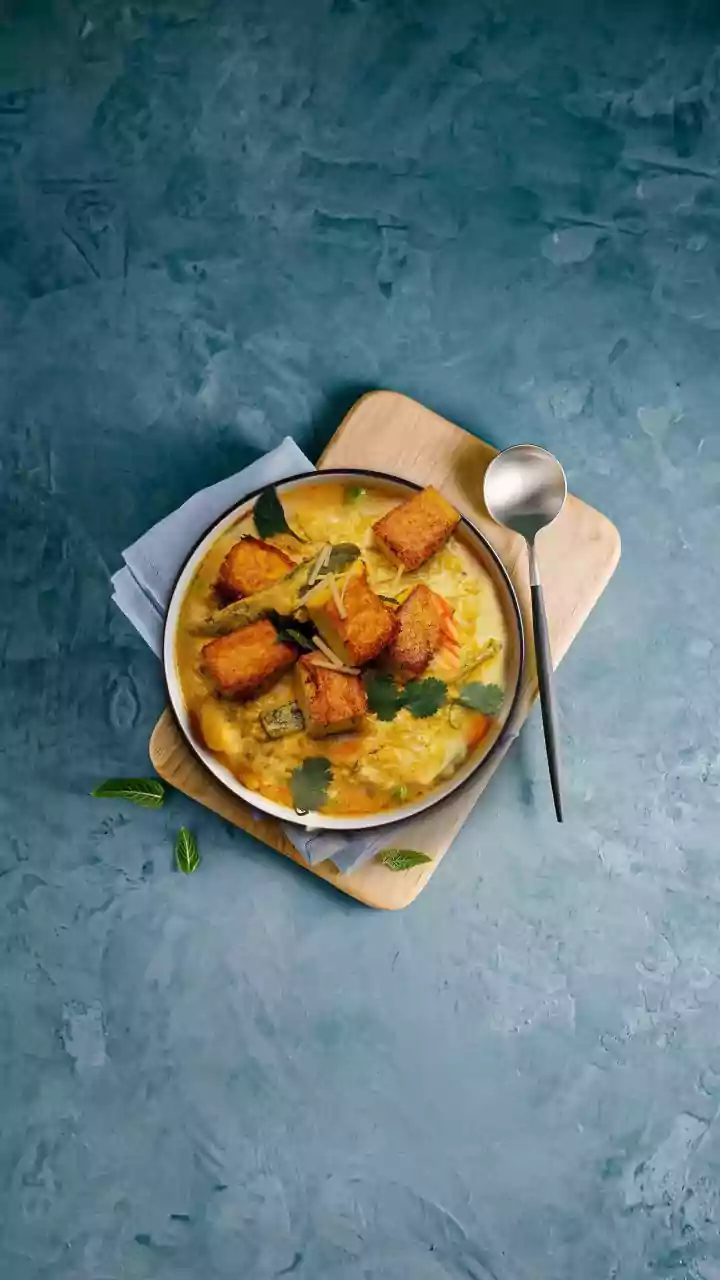
For a truly unique main course, look no further than Bengal's Dhokar Dalna. This traditional dish features 'dhoka,' which are savoury cakes made from ground chana dal (split chickpeas). The lentils are soaked, ground into a paste with ginger and spices, and then cooked and set before being cut into diamond shapes and fried. These fried lentil cakes are then simmered in a fragrant, light gravy. The curry is typically prepared without onion or garlic, relying on a delicate balance of ginger, cumin, bay leaves, and other aromatic spices for its flavour. The result is a comforting dish where the spongy, protein-packed dhoka absorbs the mildly spiced gravy, offering a sophisticated taste that is central to Bengali vegetarian cuisine.
Main Course II: Gutti Vankaya Kura from Andhra Pradesh
Add a touch of southern spice to your table with Gutti Vankaya Kura, a celebrated stuffed brinjal curry from Andhra and Telangana. Small, tender brinjals are the centrepiece of this dish. They are carefully slit and filled with a rich, aromatic masala paste. This stuffing is a flavourful combination of roasted peanuts, coconut, sesame seeds, coriander seeds, and tamarind, creating a complex blend of nutty, tangy, and spicy notes. The stuffed brinjals are then slow-cooked in a gravy until they are perfectly tender and have absorbed all the robust flavours. It is a regal dish, often served at celebrations, and pairs beautifully with steamed rice or rotis.
Rice Dish: Bisi Bele Bath from Karnataka
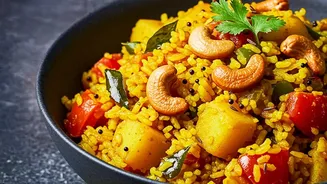
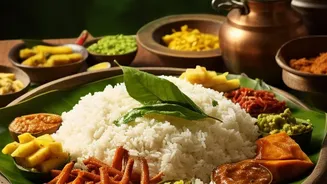
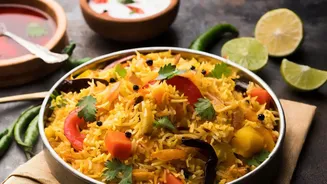
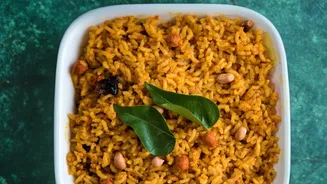
No Indian festive meal is complete without a signature rice dish, and Karnataka’s Bisi Bele Bath is a perfect one-pot wonder. The name translates to 'hot lentil rice dish', and it’s a wholesome preparation of rice, toor dal, and mixed vegetables cooked together. What makes it truly special is the unique Bisi Bele Bath spice powder, a fragrant blend of roasted spices, and the distinct tang of tamarind. Often finished with a generous dollop of ghee, this dish is a complete meal in itself — savoury, spicy, tangy, and deeply comforting. It brings together textures and flavours in a way that feels both celebratory and soulful.
Dessert: Elaneer Payasam from Tamil Nadu
End your festive spread on a refreshingly sweet note with Elaneer Payasam, or tender coconut kheer. A speciality of Tamil Nadu and Kerala, this dessert is cherished for its delicate and unique flavour. Instead of heavy ingredients, this payasam uses the natural sweetness of tender coconut water and the soft, creamy flesh of the coconut. These are blended and combined with milk, which is often thickened with a bit of condensed milk for richness. Lightly flavoured with cardamom, this dessert is typically served chilled. Its light consistency and cooling properties make it a perfect, elegant finish to a rich and flavourful meal, cleansing the palate with its subtle, tropical sweetness.